COVER STORY- YOUTHQUAKE: Will India Be Next?


South Asian politics stands at an unexpected juncture. In nations like Bangladesh, Sri Lanka, and Nepal, ‘Gen Z’ has challenged and shaken the very foundations of traditional power. This rebellion is not merely against economic despair or corruption; it’s a deep disillusionment with a political elite that has consistently ignored their aspirations. This regional upheaval has compelled India to ponder whether this wave could reach its shores, and to what extent India’s own socio-political fabric might influence or be affected by such movements.
In India’s neighboring countries—Bangladesh, Sri Lanka, and Nepal—a new generation, ‘Gen Z,’ has directly challenged the destiny of their nations. These young people, taking to the streets, have not only shaken established powers but, in many instances, have overthrown them. Their fervor stems from economic despair, pervasive corruption, rampant nepotism, and a profound disillusionment with a political elite that has persistently overlooked their aspirations. These movements have positioned India as a kind of involved observer; both policymakers in Delhi and ordinary citizens are contemplating whether this regional wave could indeed reach India’s shores. Understanding how India’s pluralistic culture, robust institutional framework, and the intricate relationship between its ruling parties and its youth might influence the potential for such movements is imperative for today’s geopolitical realities.
The Echoes of Outrage: India’s Vulnerability
Nepal’s simmering ‘Gen Z Revolt,’ Sri Lanka’s ‘Aragalaya,’ and Bangladesh’s ‘Second Liberation’ are not merely isolated local issues. They are a reflection of a widespread regional discontent, where a young generation has raised its voice against unresponsive and corrupt governance. While the immediate triggers for these movements might vary, their roots run deep in economic mismanagement, a stark lack of opportunities, and a political system that has utterly eroded public trust.
Political turmoil in neighboring countries has a multifaceted and profound impact on India, extending far beyond mere border security to influence its economy and internal political discourse.
Firstly, border security and migrant influx pose a significant concern. During the protests in Nepal, there were widespread reports of large-scale jailbreaks and prisoner escapes. ‘The Times of India’ reported that approximately 13,500 prisoners escaped from jails during the Nepali protests, many of whom could potentially be criminals wanted in India. India’s porous borders, in such volatile situations, become easy conduits for illegal migration, smuggling, and cross-border crimes, placing immense pressure on its internal security apparatus. This necessitates a serious re-evaluation of India’s border management strategies.
Economic and Trade Disruptions:
Secondly, economic and trade disruptions also present a significant challenge. Major Indian FMCG players like Hindustan Unilever, Britannia, Dabur, Marico, and Bikaji faced considerable hurdles in their operations in Nepal. Britannia was forced to halt operations at its Simara plant, while Dabur issued ‘work from home’ directives for its employees. Bikaji’s joint venture with the Chaudhary Group also saw significant delays. While these companies assert that Nepal contributes a minor fraction to their total revenue, experts contend that instability at crucial trade arteries like Raxaul-Birgunj and Sonauli-Bhairahawa leads to severe backlogs in goods movement. Furthermore, India’s planned energy and infrastructure projects in neighboring nations face an elevated risk of delays or outright cancellations due to this uncertainty, potentially undermining both regional connectivity and India’s economic leverage.
The Contagion of Political Models:
Third, the contagion of political models and inspirational strategies exerts a subtle yet potent influence. The tactics deployed by ‘Gen Z’ in neighboring countries—such as decentralized organization leveraging novel platforms like Discord, targeted campaigns against ‘Nepokids,’ and the digital mobilization of anti-government sentiment—could readily become a wellspring of inspiration for Indian youth. Should Indian youth organizations adopt similar strategies, it could fundamentally alter the landscape of political discourse and significantly amplify the visibility of protests, thereby intensifying pressure on traditional political parties.
Media and Narrative Warfare:
Fourth, media and narrative warfare has evolved into a critical component of geopolitical competition. When Indian media outlets and political factions frame movements in neighboring countries through expedient lenses—such as ‘external power intervention,’ ‘monarchical restoration,’ or ‘rural instability’—these narratives inevitably shape the psyche of the Indian populace, particularly its youth. For instance, Indian media largely mischaracterized Nepal’s Gen Z protests as primarily advocating for ‘monarchy restoration,’ even though the protestors’ core grievances revolved around corruption and inequality. Such reporting often marginalizes the genuine issues and actively promotes nationalist or religious agendas, fostering a skewed perception and potentially breeding distrust towards India’s foreign policy among regional nations. Analysts like Dinesh Kafle, former editor of ‘The Kathmandu Post,’ suggest that Indian media, especially outlets closely aligned with the ruling party, tend to view neighboring countries through the Ministry of External Affairs’ prism, frequently framing the story to ‘appease the government.’
Why No Gen Z Revolution in India: An Impenetrable Wall?
Although a large-scale, integrated ‘Gen-Z revolution’ is not yet visible in India, the movement led by Sonam Wangchuk in Ladakh indicates how local discontent can become part of the national discourse. Here, youth and civil society protested over environmental protection, the demand for the Sixth Schedule, and ecological security. This is an example of how India’s diversity and decentralization, which hinder large-scale movements, simultaneously give rise to small regional agitations. This uprising in Ladakh suggests that discontent is constantly simmering beneath the surface in India, and if such movements are ignored, they could become ‘model cases’ and reverberate in other parts as well.
Despite the revolutionary tide sweeping its neighbors, India has so far remained untouched by a widespread, power-overthrowing ‘Gen Z’ movement. This resilience is rooted in India’s distinctive socio-political fabric, which either balances or suppresses the potential for such uprisings.
Pluralistic Society and Decentralized Discontent: India’s social structure is incredibly diverse, marked by profound variations based on language, culture, religion, and region. When youth discontent arises, it often organizes at the level of a specific region, community, or social group, making the formation of a unified and coherent national youth movement exceptionally difficult. This diversity decentralizes the energy of protest, preventing it from coalescing into a singular national force.
Deep Roots of Local Political Parties and Absorption of Energy: Political parties in India, including regional ones, possess deep roots at almost every state level. Young activists and student organizations frequently operate within these party structures, providing a channel for their voices to be expressed through party mechanisms. Consequently, protests largely remain focused on ‘local issues,’ hindering their growth into a powerful wave of national youth rebellion, as the party apparatus tends to absorb and ‘control’ the energy of dissent.
Multiple Safe Avenues for Political Expression: India boasts robust institutional avenues such as elections, state assemblies, local self-governments (Panchayats), media, and courts, where youth can voice their aspirations. Freedom of the press, despite certain limitations, provides multiple platforms for expression. Student movements also occur regularly. These alternatives partially satisfy the youth’s ‘motivation to take to the streets,’ diverting them from widespread chaotic protests, as they have various ‘safe’ channels available to register grievances and demand change.
The Ruling Party’s ‘Smart’ Strategy and Youth Engagement: India’s current ruling party, particularly the Bharatiya Janata Party (BJP), has invested significantly in engaging the youth demographic and leveraging digital media. Through youth-oriented schemes, digital outreach, and the effective use of cultural symbols, attempts have been made to manage youth expectations. Concurrently, efforts are made to suppress anti-government voices through ‘troll armies’ and narrative control on social media, which has, to some extent, diminished the perception that protest is the only viable option.
Inherent Mechanisms of Cultural Tolerance and Social Control: India possesses several inherent mechanisms of social control—family, caste, regional leadership, media influence, and administrative pressure. Youth often operate within the boundaries of these implied mechanisms. When protests do occur, they are typically contained within local limits because the fear of ‘chaos’ or ‘adverse social repercussions’ is substantial, discouraging large-scale civil unrest. This fear plays a crucial role in maintaining the social fabric.
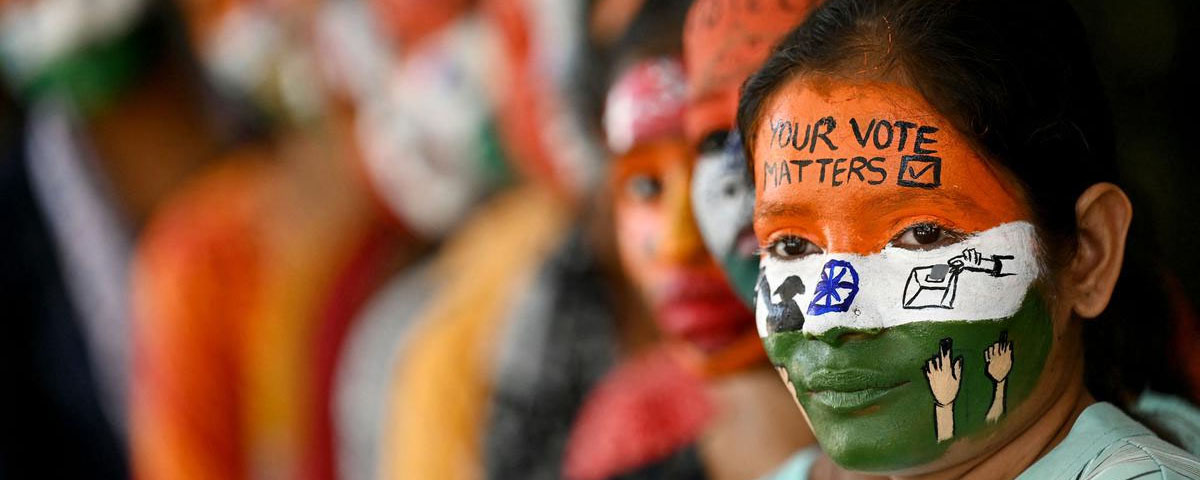
The Opposition’s Challenge and the Youth’s Silent Rebellion
Opposition parties’ strategies often appear fragmented, but Sonam Wangchuk’s movement demonstrates that independent leadership and mobilization based on social issues can also be effective. In Ladakh, neither was any major political party vocal, nor was there the pressure of electoral equations, yet the youth and local society united to raise their voice through democratic means. This silent rebellion reflects an Indian scenario where, despite a disorganized opposition, the public itself determines the issues and makes them part of the national debate. This indicates that the capacity to organize India’s youth is not limited to political parties alone, but is also inherent in social and environmental movements.
Observing the Gen Z movements in neighboring countries, India’s opposition parties have also sought to explore the potential for similar uprisings within India. They have attempted to capitalize on youth discontent over critical issues like unemployment, education, and economic inequality. However, they have not received the anticipated response from Indian Gen Z, for several key reasons:
Lack of Coherent Strategy and a Crisis of Credibility for Opposition Parties: Opposition parties, particularly the Congress, often demonstrate a lack of robust strategy, especially when it comes to mobilizing youth and transforming their concerns into a powerful national movement. While young leaders like Rahul Gandhi position themselves as representing a new generation of leadership, their often traditional communication style, barriers to wider outreach, and the relentless pressure from media and enforcement agencies tend to limit the impact of their protests. Furthermore, a pervasive lack of unity among opposition parties and a deep crisis of credibility dissuade young people from aligning with them.
The Distracted Pattern of Youth Engagement and Digital Dissent: Indian youth are highly active and expressive on social media. However, this expression often manifests as ‘despair,’ ‘vote boycotts,’ or ‘NOTA’ (None of the Above) options, rather than mobilizing the collective strength or resources required to take to the streets en masse and overturn the existing state system. The energy of their discontent frequently dissipates into online ‘memes’ and posts, failing to translate into tangible street action.
A Deep Sense of Fear and Personal Risk: The prospect of swift police action against protests, pervasive social media surveillance, the potential for both legal and extra-legal pressures, and fears of media censorship acutely sensitize young activists to the personal risks involved in large-scale street demonstrations. This ‘silencing effect’ significantly hinders the formation of mass movements, as young people are understandably hesitant to jeopardize their futures and careers.
Survey Insights
An insightful foreign policy survey conducted by the Observer Research Foundation (ORF), involving 5,000 Indian youth aged 18 to 35, reveals fascinating and multifaceted perceptions of their neighborhood:
South Asia’s Strategic Importance and the Acceptance of ‘Neighborhood First’ Policy: For Indian youth, South Asia (36%) is the most strategically significant region, surpassing others like Southeast Asia, Central Asia, and the Indo-Pacific. A vast majority of Indian youth (79%) believe India’s ‘Neighborhood First’ policy is adequately defined and largely sufficient across key areas: trade (86%), security (81%), public relations (79%), cultural ties (75%), infrastructure and connectivity (71%), and political engagement (68%). Moreover, 72% of respondents supported the revival of SAARC, indicating a strong interest in regional institutionalization.
Positive Perceptions and Media Influence: Most Indian youth hold positive perceptions of smaller South Asian nations like Sri Lanka, Maldives, Bhutan, Nepal, and Bangladesh. However, perceptions towards Nepal were notably negative in the 2021 survey, largely attributed to K.P. Sharma Oli’s anti-India policies and the negative coverage by Indian media during the Lipulekh standoff. Subsequent shifts in governance and improved bilateral relations have since turned this perception positive. This highlights the significant influence of media coverage, particularly in border states, on youth perceptions.
Immunity to Identity and Political Tensions: India’s complex ethnic fabric, vast size, and federal structure offer it a certain immunity against the anti-India sentiments frequently leveraged in neighboring countries. While politicians and media in neighboring states often employ anti-India sentiments to stoke nationalist feelings, India’s intricate diversity and democratic processes render such one-sided narratives less effective within its borders.
A Moment of Truth: What India Must Learn?
The Ladakh movement is a mirror for India – it reveals that discontent is brewing not just in neighboring countries, but within India itself. The demands raised under Sonam Wangchuk’s leadership illustrate that today’s youth are not merely disgruntled with the establishment, but seek guarantees of future security and sustainable development. This is the very energy that fuels Gen-Z revolutions: opportunity, transparency, and participation. If India fails to take such local signals seriously in a timely manner, this frustration could escalate into larger movements. India must learn that democracy is not merely an electoral process, but a continuous journey of listening to citizens’ genuine aspirations and translating them into policy.
India currently stands at a critical juncture. Witnessing the ‘Gen Z’ revolutions across its neighborhood, India must engage in profound introspection. India’s vastness and diversity, which have hitherto shielded it from unrest, could paradoxically amplify its decline if widespread discontent were to fester. This is not merely about maintaining stability but about renewing democracy and integrating youth aspirations into the mainstream.
Opportunities for Dialogue and Participation: India must earnestly listen to the aspirations of its youth. This won’t be achieved solely through policy formulation but by actively involving them in the political process, fostering greater dialogue, and expanding opportunities for participation. Their voices must be heard through youth forums, digital dialogues, and grassroots engagement.
Transparency and Accountability in Governance: Corruption and nepotism, which fueled the outrage in neighboring countries, remain significant challenges in India as well. The government must strengthen transparency and accountability to maintain youth faith in the system. E-governance and swift justice systems could be among such measures.
Employment and Economic Opportunities: High unemployment rates, particularly among the youth, can create an explosive situation. India must ensure inclusive economic growth that generates adequate and quality employment opportunities. Skill development, promoting entrepreneurship, and aligning education with market demands will be crucial steps in this direction.
Reforming the Role of Media: Instead of sensationalizing neighboring countries’ affairs or bending them to fit political agendas, Indian media should focus on in-depth and impartial reporting. As per Dinesh Kafle, former editor of ‘The Kathmandu Post,’ Indian media must cease functioning as an ‘extension of the ministry’ and instead reflect ground realities. This will not only foster better regional relations but also promote credible dialogue within India.
Continuous Renewal of Democracy: Indian politics is at a critical test. Will it merely maintain ‘stability,’ or will it genuinely integrate the aspirations of its new generation into its agenda? If choices are not made wisely and in due time, the protests unfolding in neighboring countries will not remain confined there, but could become a harsh reality for India as well. To strengthen democracy, the government must heed the voice of ‘Gen Z’ – the custodians of the nation’s future. To ignore them would be akin to gambling with the very foundations of democracy.
Conclusion
The Gen Z-led movements across South Asia have made it unequivocally clear: the younger generation is no longer willing to surrender its future to the old political elite. This sends a potent message that power will henceforth be measured not merely by might or elections, but by public sentiment, opportunities, transparency, and the hopes of its youth. India must learn from the experiences of its neighbors. Both India’s leadership and its opposition parties must grasp that within this apparent threat lies a profound opportunity. If India better embraces youth aspirations and expands avenues for their dialogue and participation, it will not only foster greater social satisfaction but also strengthen its democracy. Gen Z has set the agenda. It now rests with regional leadership to channel this vibrant energy into a sustainable and positive direction, or risk letting it dissipate into a vortex of chaos, which is bound to have serious repercussions for India. For India, this is a moment of profound self-awareness, where it must strike a balance between its internal challenges and regional dynamics to future-proof its democracy.