Putin, Oil, and Trump

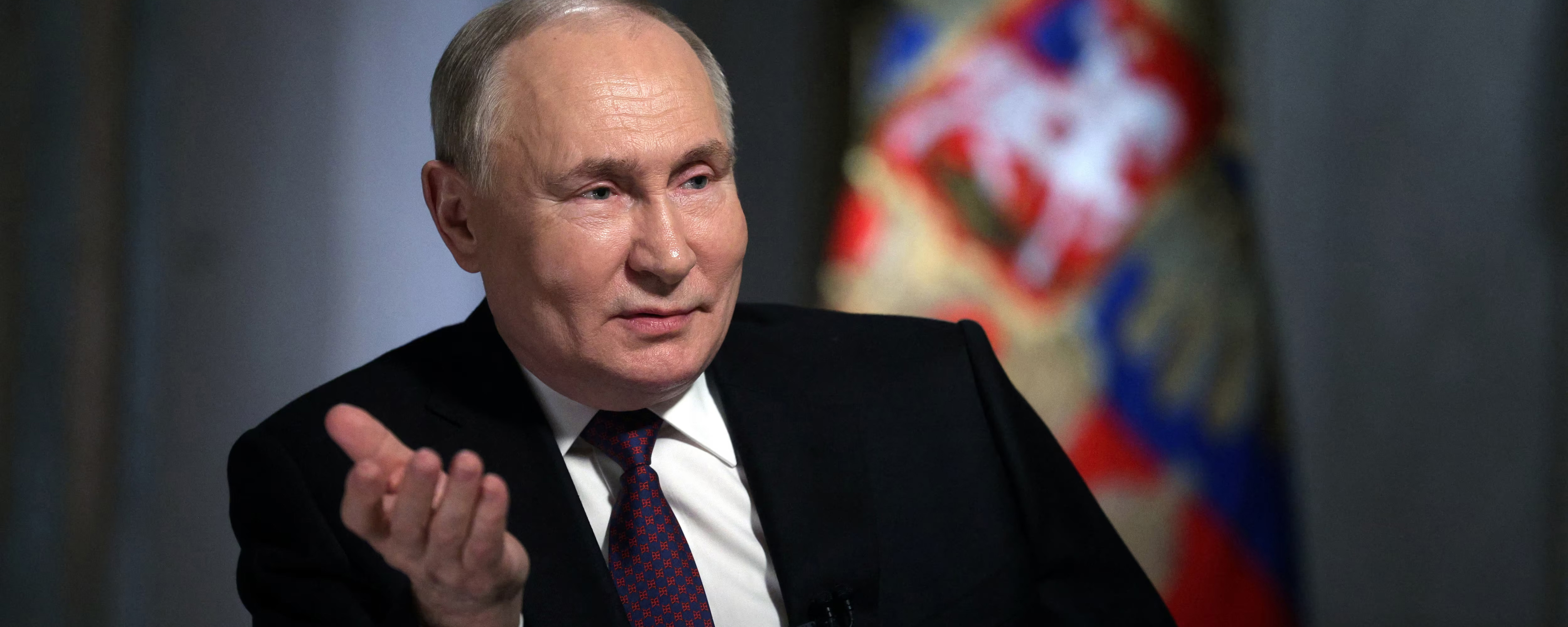
With the onset of winter, a distinct diplomatic restlessness can be felt in the atmosphere of Moscow. On November 17, when Russian Foreign Minister Sergei Lavrov welcomed his Indian counterpart, Dr. S. Jaishankar, the meeting was far more than a mere formal ritual, nor was it just a routine conversation on the sidelines of the Shanghai Cooperation Organization (SCO) gathering. In diplomatic corridors, the whisper is unmistakable: the two veterans were, in fact, laying out the vast chessboard for a meeting between two of the world's most powerful leaders next month—Vladimir Putin and Indian Prime Minister Narendra Modi. This meeting serves as the prelude to the mega-event scheduled for early December in New Delhi, an event upon which the hawk-like eyes of not just Asia, but the entire Western world, are fixed.
This is no ordinary era. It is a time when geopolitical equations are shedding their old skins daily. On one side stands Moscow, intent on piercing the unprecedented fortification of Western sanctions to give a new dimension to its relationship with an old ally. On the other side, following a shift in power in Washington D.C., stands a new and aggressive America. President Vladimir Putin’s upcoming visit to India is historic and sensitive in many ways. It will be the first time since the onset of the Ukraine war that Putin sets foot on Indian soil. This visit occurs at a delicate juncture, just as Donald Trump, sitting in the White House across the seven seas, appears determined to break India’s 'strategic autonomy' on his own terms. Amidst this whirlwind of external pressures, the convergence of Moscow and New Delhi is not merely a bilateral dialogue, but a geopolitical manifesto declaring that an old friendship cannot be shaken by American interference or threats.
The script for this diplomatic grand conclave in December began writing itself on November 7, during a marathon meeting between Jaishankar and Russia’s Deputy Foreign Minister Andrei Rudenko in New Delhi. In diplomacy, signals hold immense weight. The statement issued by the Russian Foreign Ministry following that meeting, and the subsequent remark by Kremlin spokesperson Dmitry Peskov that "we are actively preparing for Putin's visit," are indicators of just how seriously Moscow views this trip. Peskov’s cryptic assertion that "agreements will be announced at the appropriate time" suggests that the text of significant accords has already been drafted behind the curtains—accords that may well surprise the world.
The upcoming 'Russia-India Forum' and the 23rd Annual Summit, slated for December 4-5 in New Delhi, will not be a stage merely for handshakes and photo-ops. It is essential to understand the depth of the agenda. An analysis of statements by Roscongress and Russia’s Deputy Minister of Industry and Trade, Alexey Gruzdev, reveals that Russia no longer wishes to remain solely a seller of weapons and crude oil. With the doors to Western markets closed, Russia views India as a long-term economic partner. They intend to introduce heavy machinery, technical products, and even agricultural goods into the Indian market. In return, they seek not just currency from India, but digital services, pharmaceuticals, and most crucially—human resources.
Perhaps the most intriguing and far-reaching aspect of this summit could be the 'Labor Mobility Agreement.' Russia is grappling with a demographic crisis and is in dire need of workers to run its industries, while India possesses the world’s largest youth workforce. If this agreement comes to fruition, the coming years could see a significant number of Indian professionals and laborers making their presence felt in Russia’s construction, energy, and service sectors. This step would transform the relationship from a buyer-seller dynamic into a deep socio-economic integration.
However, a significant American hurdle looms like a dark chapter over this rosy picture of the Indo-Russian future. Since Donald Trump assumed office in January, Washington’s stance toward New Delhi has become aggressive and transactional. Sidestepping diplomatic niceties, the Trump administration has begun to speak the direct language of economic warfare. Trump’s explicit statement that he would compel India to stop purchasing Russian oil was not an idle threat. On August 6, the imposition of an additional 25 percent tariff on India for purchasing Russian oil, followed by new sanctions on 34 major Russian entities including Rosneft and Lukoil on October 22, proves that America is in no mood to spare even friends who trade with its 'enemies.'
The direct impact of this is already visible on the Indian economy and energy security. Indian oil companies, which had been reaping heavy profits by purchasing cheap Russian oil and keeping domestic fuel prices under control, are now cowering under the fear of American sanctions. Finding alternatives in the spot market is not only expensive but also poses a challenge to India’s energy security. The gravity of the situation can be gauged by the fact that nearly $300 million in dividends belonging to the Navratna company Oil India Corporation are stuck in Russian banks, rendered impossible to repatriate due to international sanctions. These companies are now looking toward the upcoming summit with hope, anticipating that Putin and Modi might devise a financial mechanism to bypass the hegemony of the dollar and the reach of American sanctions.
Putin’s argument from the Valdai Discussion Club carries immense weight and economic realism: if India turns away from Russian energy products under American pressure, it faces a direct loss of 9 to 10 billion dollars. The irony is that even if India were to obey the American dictate, the US would not compensate for that loss; instead, it would extract more money in the form of tariffs. Putin’s question—"What, then, is the rationale for doing so?"—is echoing in the minds of Indian policymakers as well.
On the other hand, Donald Trump and his team are working on a strategy to ramp up the pressure to its breaking point. Trump’s support for a bill in the US Congress that includes provisions for 'Secondary Sanctions' is a warning bell for India. By brandishing the fear of import tariffs as high as 500 percent, America seeks to force India to its knees. This is not just about oil; it is a direct assault on India’s sovereignty and independent foreign policy. America wants India to abandon its old policy of non-alignment and stand entirely in its camp, even if it means sacrificing its old and reliable friend, Russia.
Turning back the pages of history, exactly twenty-five years ago in October 2000, when Atal Bihari Vajpayee and Vladimir Putin signed the Declaration of Strategic Partnership, the world was changing then too, yet India and Russia stood together. That agreement dictated that annual meetings of top leaders would occur without interruption. Over the last five years, particularly following the Ukraine war and COVID, this tradition has indeed been disrupted. Since Putin’s last visit to India in 2021, the world has changed drastically. Putin’s absence during the G20 in 2023, where Lavrov represented him, was a sign of the practical complexities that had crept into the relationship. But now, with Putin himself coming to Delhi, it is an attempt to bridge that 'hiatus.'
Seemingly dry issues on the agenda of the upcoming summit—such as logistics, payment systems, and trade imbalances—are, in reality, the lifeline of this relationship. Until both countries develop a solid payment mechanism other than the dollar (such as digital currency or a new version of the rupee-ruble arrangement), their strategic partnership will remain hanging under the sword of American sanctions. The visit of the Russian Deputy Minister to Visakhapatnam and the emphasis on the Chennai-Vladivostok maritime corridor are part of this very strategy: to open trade routes that are far from Western scrutiny.
In conclusion, this December summit will prove to be a difficult diplomatic examination for India. On one side lies decades of trust with Russia and the question of future energy needs; on the other, the growing commercial relationship with America and the fear of its wrath. Prime Minister Modi and his team will have to walk a fine line where they can deepen ties with Russia while escaping the net of American economic sanctions. The chessboard laid out from Moscow to Delhi, and the crooked gaze of Washington, suggest that the coming month will determine the direction and state of Indian foreign policy. Will India be able to preserve its strategic autonomy, or will it be forced to choose a side in the clash of superpowers? The answer lies in the womb of the future, but one thing is certain: this winter, the diplomatic temperature is set to rise significantly.
This article is based on the facts and context of the original piece written by Sergei Strokan, a senior columnist for the Russian newspaper Kommersant. Cult Current republishes this with gratitude for his diligence and research.