GIORGIA MELONI: THE CRACKING SPELL

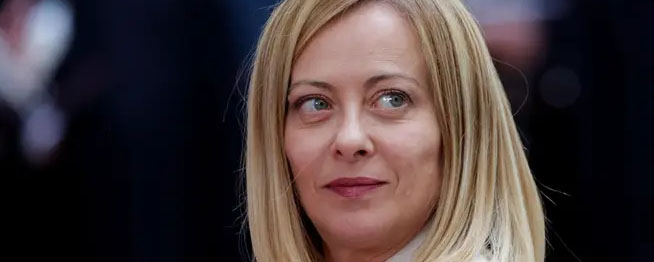
When the sun sets over the Seven Hills of Rome, the ancient ruins seem to stretch into the very soul of the present. In 2022, when Giorgia Meloni first marched into the corridors of power, her stride was that of a Roman conqueror. She possessed an aura of invincibility—a radiant ‘halo’ that managed to stun even the most seasoned practitioners of European statecraft. Carrying the torch of ‘Brothers of Italy’, she appeared as a heroine who had finally wrestled destiny into sub-mission. But the stage of politics is much like a grand opera: the distance between the thunder-ous applause of the opening act and the heavy silence of the finale is often perilously short. The night of March 23, 2026, arrived under a canopy of restless clouds. Meloni had placed her ultimate bet: a referendum on judicial reform. Framed as a ‘minor’ adjustment, it was intended to be the flagship of her legislative legacy. She expected the public to sail this vessel to the shores of absolute power. Instead, Elly Schlein, the fierce leader of the opposition, transformed the vote into a moral battlefield—a referendum on Meloni’s own hubris. When the results emerged, they felt like an icy deluge: 54% against 46%. The Italian electorate had not merely rejected a policy; they had collectively rebuked the arrogance of their leader. The staggering 59% voter turnout was a testament that the people were wide awake, inscribing their grievances into the ballot boxes of history.
Meloni’s administration had enjoyed rare longevity, yet this very stability had begun to feel like a ‘silent cage.’ In her quest for global legitimacy, she meticulously shaved off the radical edges of her ideology to present herself as a ‘respected centrist.’ In this calculated metamorphosis, she lost the raw, primal attraction that had once tethered her to the common man. She became the actress who had successfully rewritten her script, only to realize that the audience was still des-perately searching for the original character.
Furthermore, her proximity to Donald Trump—once a pillar of her perceived strength—mutated into a strategic burden under the dark shadow of the 2026 Iran war. As the ship of state began to take on water, Meloni searched for scapegoats, securing the resignation of her Tourism Minister, Daniela Santanchè. Yet, she could not stifle the persistent echoes of corruption allegations and mounting scandals. The cracks within her ruling coalition began to resemble the ancient fissures etched onto the walls of the Colosseum. The magical spell is now broken. Meloni had hoped to amend the Constitution to grant the Prime Minister nearly unlimited power, but the impending shadow of the 2027 elections has turned into a recurring nightmare. Italian voters, who revere their 1948 Constitution like a sacred scrip-ture, have reminded her that in a democracy, the ‘Reign’ belongs to the people, not the person. Today, as Meloni gazes at the streets of Rome from her grand office window, the city’s lights still flicker, but the spark in her own eyes has vanished. The ‘Invincible Giorgia’ now stands humbled by a single wave. Across the piazzas of Italy, a
new refrain echoes - “The luster is fad-ing.”