
What happened:
Oct 27 election, first since Oct 7, 2023 attack, turnout 77.9% — highest since 1999:
- Netanyahu bloc: 53 seats (Likud 27, Otzma Yehudit 7, UTJ 7, Shas 6, Religious Zionism 6) — eight short of 61 majority in 120-member Knesset.
- Eisenkot opposition bloc: 48 seats (Yashar 21, B'Yachad 12, Democrats 8, Yisrael Beytenu 7 etc).
- Arab parties: 19 seats — Joint List 11 + Ra'am 8. Previous record 15 in March 2020. Arab turnout jumped from 53.2% in 2022 to 77% per Israel Democracy Institute.
No bloc has majority. Arab parties are kingmakers. Combined with opposition: 48 + 19 = 67.
What Netanyahu said:
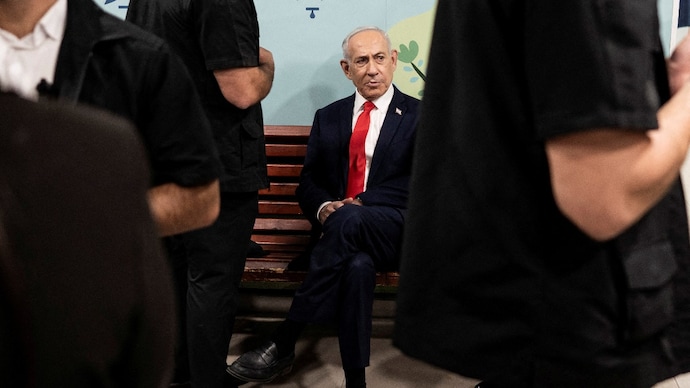
In a video message Monday and on X Thursday Oct 29, Netanyahu claimed:
> “It is forbidden to form a government with them [Arab parties]. Israelis do not want a government that depends on UAL and the Joint List, parties that support terrorism and reject the existence of the Jewish state.”
He told public "a majority of Jews" voted for him, so he should form government, and alleged “serious suspicions that foreign states have spent considerable sums to influence the outcome” hinting Qatar.
Diaspora Affairs Minister Amichai Chikli went further, calling Arab lawmakers "Hamas and Hezbollah supporters, literally a fifth column" and warning electing a Knesset speaker with Arab votes would be “a knife in the back of the Jewish state.”
Supreme Court last month cleared Arab lists to run despite disqualification petitions from Netanyahu allies. Both Joint List and Ra'am recognize Israel as Jewish state — Ra'am leader Mansour Abbas explicitly said so during campaign. No court found them Hamas supporters. IDI poll: Arab top issue was cost of living (44%), not foreign policy.
Netanyahu's son Yair on X: “The greatest danger to survival of State of Israel, aside from Iranian nuclear program, is what is called 'Israeli Arabs'... 20 percent identifies with its enemies.”
Eisenkot's dilemma:
Opposition met Tuesday in Herzliya, first since election. Five leaders — Eisenkot, Bennett, Lapid, Golan, Liberman — agreed to back Eisenkot to form "national emergency government" to replace "Oct 7 government" and to coordinate to elect new Knesset speaker Nov 10 with Arab support.
But conditions divide them. Eisenkot set four principles: any government party must recognise Israel as "Jewish, democratic and liberal state" and Hamas as terrorist organization — a test some Arab lawmakers previously refused.
- Ra'am (Mansour Abbas): Only Arab party ever in government (2021-22 coalition that ousted Netanyahu). Says willing again.
- Joint List (Yousef Jabareen): Says would back Eisenkot from outside parliament, not join cabinet.
Only Democrats leader Yair Golan openly backs alliance, calling exclusion racist, meeting Abbas and Joint List leaders. Yisrael Beytenu's Liberman ruled out: “Whoever wants to rely on supporters of terrorism, let them. Yisrael Beiteinu will not be there.”
On Saturday, thousands rallied in Tel Aviv, Jerusalem, Haifa: "Form government with Arab parties, oust Bibi." Counter-protests of Netanyahu supporters chanted "It's the Right, or Palestine" and called Arab parties "Hamas".
What next:
President Isaac Herzog starts consultations Wednesday. He gives one leader 28 days + 14-day extension to form government. Three scenarios:
1. Eisenkot + Arab outside support = 67 minority government — needs Liberman to abstain.
2. Eisenkot + ultra-Orthodox parties — traditional Bibi allies — more likely per unsourced Israeli media.
3. Unity government — Netanyahu proposed "broad national government" led by him. Opposition rejects due to corruption charges and Oct 7 failure.
If no government, Israel goes to election early 2027 — its sixth since 2019.
For now, 2.1 million Arab citizens (20% of population) voted in record numbers to oust Netanyahu. Whether Jewish opposition accepts their votes to actually do it will decide if Netanyahu's time ends.
#Netanyahu #warcriminal #Israel #Knesset #ArabParties #JointList #Raam #GadiEisenkot #IsraeliElections #CoalitionTalks