

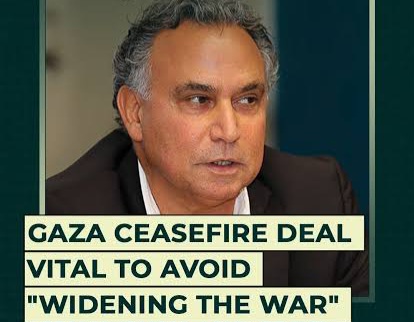
For Al Jazeera's senior political analyst Marwan Bishara, the US midterm results are not just a Democratic wave. They are a repudiation — of warmongers and populist nationalists who sell endless war as strength.
In his post-election analysis, Bishara argues the outcome shows Americans "think differently about the Middle East" and no longer want more wars or a doubling down on the conflict with Iran. The vote, he says, reflects public opposition to further military adventures and to unconditional US support for Israel.
The context is brutal for Republicans. The US-Iran war launched in February 2026 pushed oil from $78 to over $90, sent gas station prices soaring, and triggered the inflation that voters cited as reason number one for flipping Congress. Bishara calls it a "tsunami" — comparable to the Democratic rout of 1994 — and notes even Donald Trump, "a political animal," has sensed that aid to Israel "is no longer popular in America," reflected in his pledge to halt US aid to Israel from end of year.
Bishara's deeper point is strategic: voters rejected not just the Iran war but the web of relationships Trump built — Netanyahu's government included. He says the result is bad news for Netanyahu's government rather than Israel itself, and urges newly elected members to use leverage now: “Don't get involved with war against Iran before January 20th.”
From an Indian perspective, Bishara's reading resonates. India has lived the cost of American wars in the Middle East — oil spikes, rupee pressure, flight bans, and stranded workers. Every time Washington escalates in the Gulf, Delhi's import bill jumps $15 billion and its delicate balancing — buying Russian crude, investing in Chabahar, keeping Gulf remittances safe — becomes harder.
The midterms also offer a lesson for Indian foreign policy watchers: in democracies, foreign wars are not abstract. When pump prices rise to Rs 112 in Patna or $4.50 in Pennsylvania, voters punish. The unconditional support model — whether for Israel or any ally — is losing legitimacy in Western publics tired of cost-of-living crises.
Bishara warns, however, that both Trump and Democratic leadership remain stuck in "the mindset of the past." Real change toward the Middle East, he says, needs more than a Congressional switch — it needs a rethink of what American power is for.
For Delhi, which prizes strategic autonomy over camps, that rethink cannot come soon enough.
*Tags:* #MarwanBishara #AlJazeera #USMidterms2026 #IranWar #USIsrael #Warmongers #PopulistNationalism #OilPrices #IndianPerspective #MiddleEastPolicy