

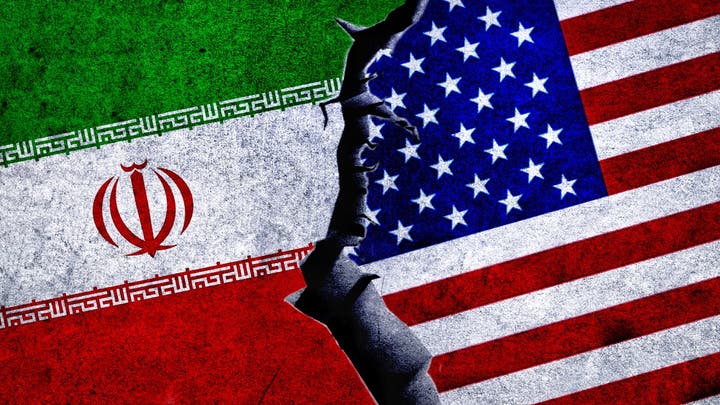
US Treasury on Nov 4 slapped sanctions on six entities - two Indian, two Turkish, one Iranian, one Chinese - for aiding Iranian regime's drone and petroleum trade.
Indian firms: Mumbai-based "AeroTronics India Pvt Ltd" and Delhi-based shipping firm "Blue Waters Logistics" accused of supplying carbon fiber and engine parts for Shahed-136 drones used in attacks on Israel and US bases, and of ship-to-ship LPG transfers to evade sanctions.
This is second time in 2026 Indian firms hit under Iran sanctions, after June sanctions on Chennai petrochem firm.
India's official line: we follow UN sanctions, not unilateral US sanctions. But reality is banks will freeze accounts to avoid US secondary sanctions.
Impact: these firms' dollar accounts blocked, US persons barred from dealing. For India, which imports LPG from West Asia via ship-to-ship transfers in Oman waters - now up 40% as per Economy page data - compliance becomes tricky.
From foreign policy lens, this puts Delhi in bind. India needs Iran for Chabahar port (gateway to Afghanistan/ Central Asia) and Shia ties, but also needs US for defence, trade, and to counter China.
US sanctions under Trump 2.0 have been aggressive over 500 Iran-related sanctions since Feb. European allies also complain.
For Indian business, lesson: due diligence on end-use. Carbon fiber is dual-use; selling to Turkish middleman who forwards to Iran still liability under US ITAR.
MEA said it is "examining" order, will take up with US. Past precedent: in 2019 after US sanctioned Iran oil, India stopped buying Iranian crude, hurting strategic autonomy but saving US ties.
Analytically, sanctions as tool losing effectiveness - Iran still exports 1.5 mbpd oil via shadow fleet. But for small Indian firms, it is existential.
Tags: #USSanctions #Iran #IndianFirms #DroneParts #Treasury #Chabahar #SecondarySanctions #Indial #LPGImports #DualUse