

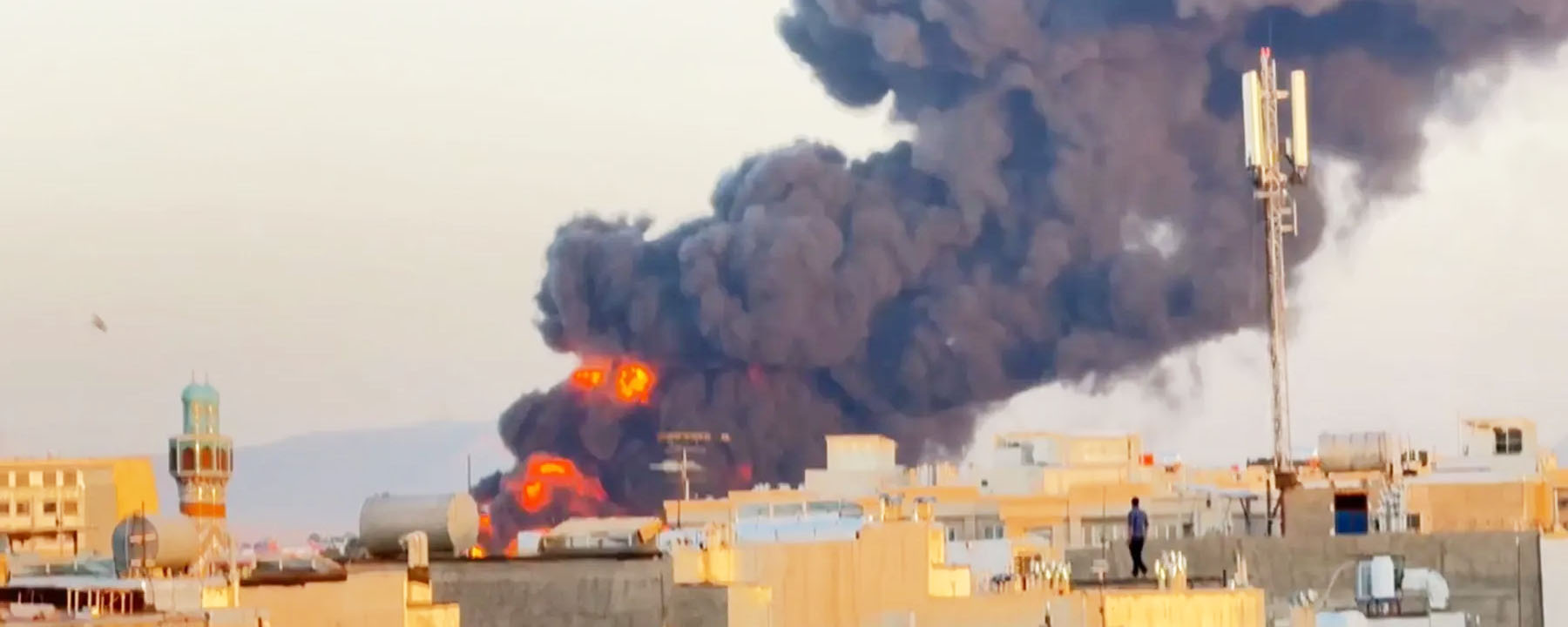
Recent intelligence leaks and satellite images suggest Israel has carried out a covert strike on Iran’s nuclear facilities. Neither side has officially admitted it, but tensions in the Middle East are already rising. The attack comes at a critical moment—just as Iran’s nuclear program faces growing global scrutiny. Israel appears to have acted first, trying to stop what it sees as an existential threat. But what was the real goal? And how will Iran hit back?
Israel’s Game Plan
Israel has always said it won’t tolerate a nuclear-armed Iran. This strike seems designed to slow down Tehran’s progress while sending a clear message—not just to Iran, but to world powers pushing for diplomacy instead of action. Beyond damaging Iran’s nuclear capabilities, Israel may also be flexing its muscles in a region where Iran’s influence has grown through groups like Hezbollah, Hamas, and the Houthis. There’s another possibility: Israel could be testing how far it can go before the world reacts. Will other nations stay silent, or will they step in?
How Will Iran Respond?
Iran isn’t known for reckless retaliation. Instead, it usually strikes back through proxies or cyberattacks. Hezbollah might launch rockets from Lebanon, or Iranian hackers could target Israeli infrastructure. Tehran could also ramp up its military presence in Syria or Iraq, squeezing Israel indirectly. But an all-out war? Unlikely—that could push the U.S. and Europe closer to Israel. Instead, Iran might play the victim, using global sympathy to revive stalled nuclear talks.
The Middle East on Edge
The attack could shatter the region’s fragile balance. Lebanon, Syria, and Gaza are already powder kegs—any Iranian-backed retaliation could spark wider chaos. There’s also the risk to global oil supplies. If Iran disrupts the Strait of Hormuz, a crucial shipping route, oil prices could skyrocket. Meanwhile, Gulf nations like Saudi Arabia and the UAE might quietly cheer Israel’s move—they fear Iran’s nuclear ambitions too—but they’ll publicly call for calm to avoid backlash.
The World’s Dilemma
The U.S. is walking a tightrope. While it claims to prefer diplomacy, Washington distrusts Iran’s intentions. America may not openly endorse Israel’s strike, but behind closed doors, it might see this as a way to force Iran back to negotiations. Europe, distracted by Ukraine and economic woes, will likely issue vague calls for peace without real action. Gulf states? They’ll condemn violence publicly—while breathing a sigh of relief in private.
What Comes Next?
Israel’s shadow war with Iran has entered a dangerous new phase. Even a small strike can have massive consequences. If Iran retaliates hard, the region could spiral into conflict. If world leaders fail to calm tensions, diplomacy might collapse, leaving the Middle East trapped in an era of silent wars and open instability. The next move—whether through threats or weapons—will shape the region for years to come. One wrong step, and the consequences could be dire.
The clock is ticking. The Middle East waits.
Shreya Gupta is a trainee journalist at Cult Current. The views expressed in the article are
her ownand do not necessarily reflect the official stance of Cult Current