

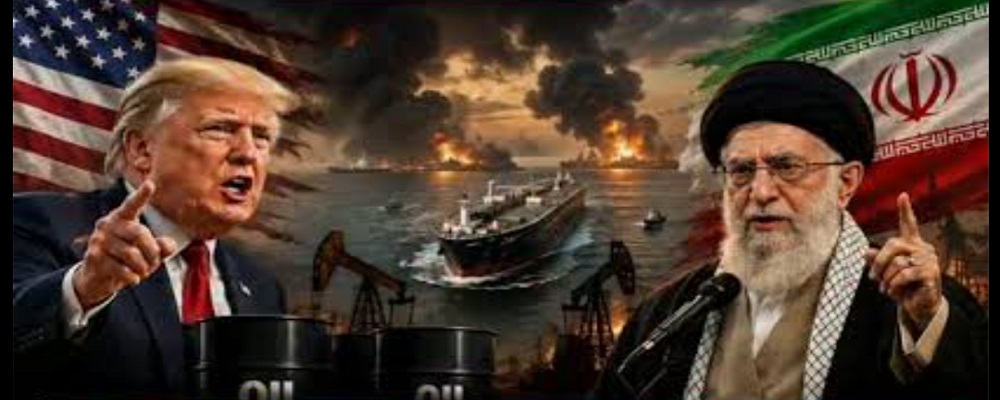
Tensions in the Middle East have once again reached a dangerous level on the international stage. A standoff between the US Navy and the Iranian Revolutionary Guards in the Persian Gulf and the Strait of Hormuz has caused turmoil in global oil markets.
The Strait of Hormuz handles approximately 20 percent of the world's seaborne crude oil trade. Any military action or disruption to vessel movement here would cause global fuel prices to skyrocket.
European nations and Asian economies (particularly India, China, and Japan) have expressed deep concern over the situation. The UN Security Council has urged both sides to exercise restraint and ensure the safety of international shipping lanes.
The Organization of the Petroleum Exporting Countries (OPEC+) has signaled an emergency meeting to formulate a production strategy to offset potential shortfalls in oil supply. Brent crude prices are steadily rising due to fears of supply chain disruptions.
If this conflict does not subside soon, the global economy—already grappling with inflation—could face another major shock, potentially deepening fears of a recession across many developed and developing nations.