

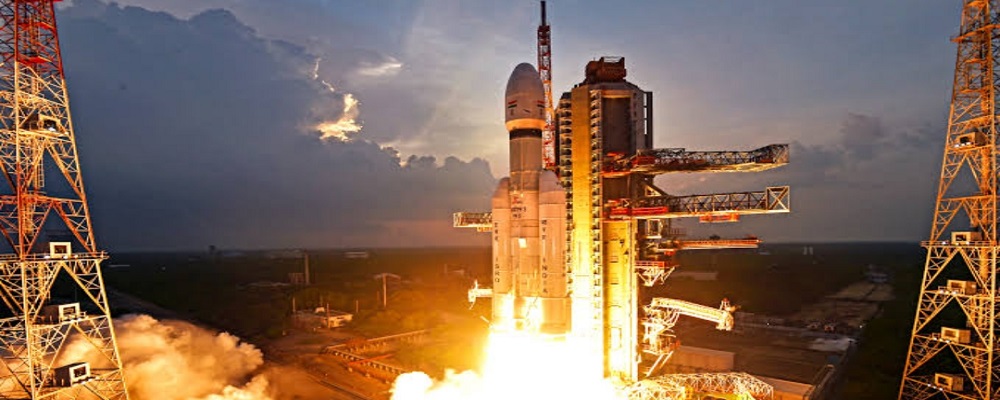
The Indian Space Research Organisation (ISRO) has once again brought glory to India in the realm of space science. ISRO has successfully completed another crucial ground test for its ambitious human spaceflight program, 'Gaganyaan'. This test was conducted to evaluate critical rocket engine parameters and the functionality of the escape system. With this success, India has moved significantly closer to joining the select group of nations capable of sending humans into space.
Before sending Indian astronauts into space, ISRO will launch several uncrewed test missions. These missions will include sending an advanced humanoid robot named 'Vyommitra' into space; it will monitor various systems just as an astronaut would. This test will help scientists understand how the human body and systems react in the zero-gravity environment of space.
Behind this success lies the tireless dedication of Indian scientists and the marvel of indigenous technology. A major portion of the Gaganyaan mission has been designed and manufactured within India. This mission not only demonstrates ISRO's technical prowess but also showcases India's capability to execute highly complex space missions in a cost-effective manner.
The success of the Gaganyaan mission will lay a strong foundation for India's future space programs. India aims to establish its own 'Bharatiya Antariksha Station' (Indian Space Station) by 2035 and land an Indian on the Moon by 2040. These initiatives by ISRO are positioning India at the forefront of space exploration and the space economy.
This achievement by ISRO serves as a tremendous source of inspiration for the nation's youth and aspiring scientists. India is no longer merely a country that launches satellites; it has become a pioneering nation exploring the frontiers of human presence in space. This success of Gaganyaan is a moment of pride for the entire nation.