

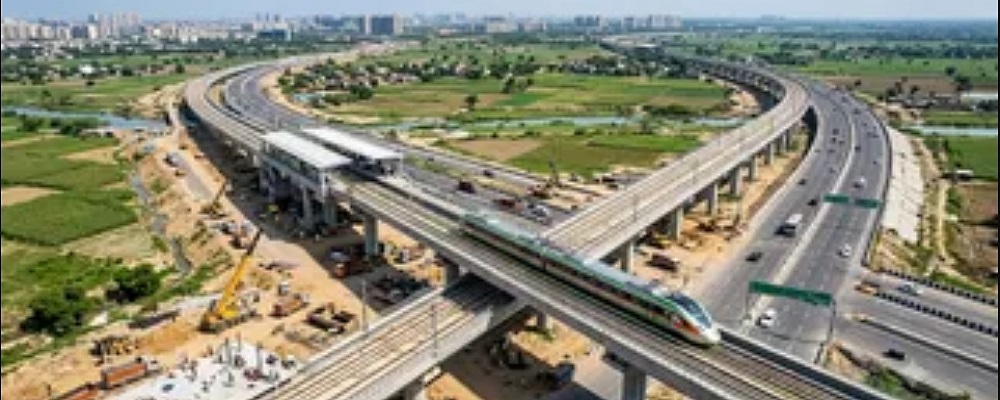
Infrastructure development in India is currently proceeding at an unprecedented pace. New expressways, dedicated freight corridors, and high-speed rail projects are rapidly transforming the country's economic landscape. Several recently inaugurated highway corridors have halved travel times between major cities, not only easing travel for passengers but also making the movement of goods (logistics) significantly faster and more cost-effective.
The country's first bullet train project (Mumbai-Ahmedabad High-Speed Rail) and the ever-expanding network of Vande Bharat Express trains are revolutionizing India's railway sector. Initiatives such as the modernization of railway stations, track doubling, and 100% electrification have transformed the face of Indian Railways. Travel is no longer merely about getting from one place to another; it has become a comfortable, world-class experience.
This major infrastructural upgrade is having a direct impact on the country's GDP and trade. Reduced logistics costs—specifically the cost of transporting goods—are making Indian industries more competitive in the global market. 'Industrial corridors' being developed alongside new expressways are giving rise to new manufacturing hubs and logistics parks, thereby creating fresh employment opportunities at the local level.
Special emphasis is being placed on modern technology and eco-friendly practices in this infrastructural development. Recycled plastic and fly ash are being utilized in highway construction, while millions of trees are being planted along roadsides as part of 'green corridor' initiatives. Through the 'Gati Shakti National Master Plan,' coordination among various ministries ensures that projects are completed without delay.
World-class infrastructure is a fundamental prerequisite for any developed nation. The pace at which India is modernizing its roads, rail networks, ports, and airports will play a pivotal role in realizing the dream of transforming the country into a 'Viksit Bharat' (Developed India) by 2047.