

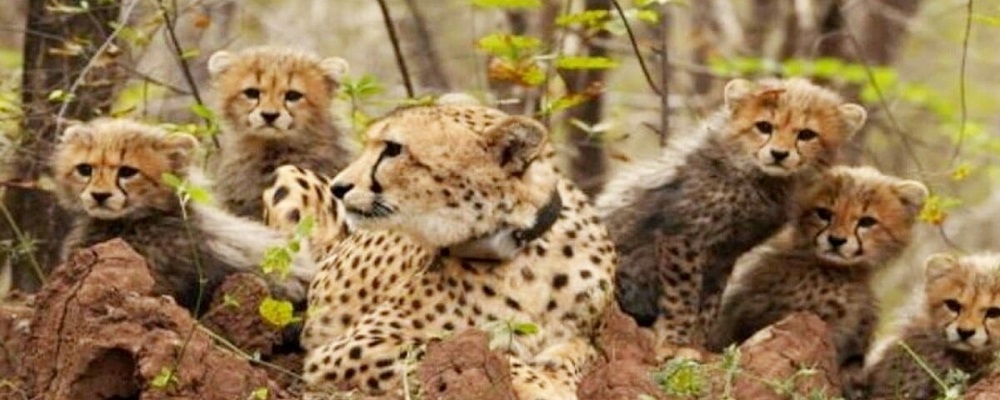
'Project Cheetah,' which commenced on September 17, 2022, with the arrival of cheetahs from Namibia at Kuno National Park, has completed four years. According to the review report from September 2026, the total number of cheetahs in India has risen to 52. This figure is regarded as a major and historic achievement for India in the history of intercontinental wildlife translocation.
The most beautiful and significant aspect of this success is that, out of the total 52 cheetahs, 32 cubs were born on Indian soil. The clouds of doubt that loomed following the deaths of a few cheetahs due to extreme temperatures and infections during the initial phase have been completely dispelled by the successful breeding of these cheetahs, who have adapted well to the Indian environment.
Genetic diversity is crucial for ensuring the long-term survival of a species. Following the initial arrivals from Namibia (8) and South Africa (12), the addition of 9 more cheetahs from Botswana in 2026 has further enriched the genetic pool. Currently, 49 cheetahs are safely housed at Kuno National Park, while three have been successfully relocated to the Gandhi Sagar Sanctuary in Mandsaur.
The return of the cheetah—an apex predator of grasslands and open forests—is revitalizing the ecosystem of India's grasslands. Simultaneously, eco-tourism has received an unprecedented boost in underdeveloped and rural areas like Sheopur and Mandsaur, opening up new avenues for employment and livelihoods for local communities.
While the success is encouraging, the major challenges ahead will include preventing territorial conflicts among adult cheetahs, mitigating human-wildlife conflict, and developing wildlife corridors for them. This project has become a world-class model for the conservation and natural rehabilitation of species facing global extinction.