

How significant is Alberta's referendum result?
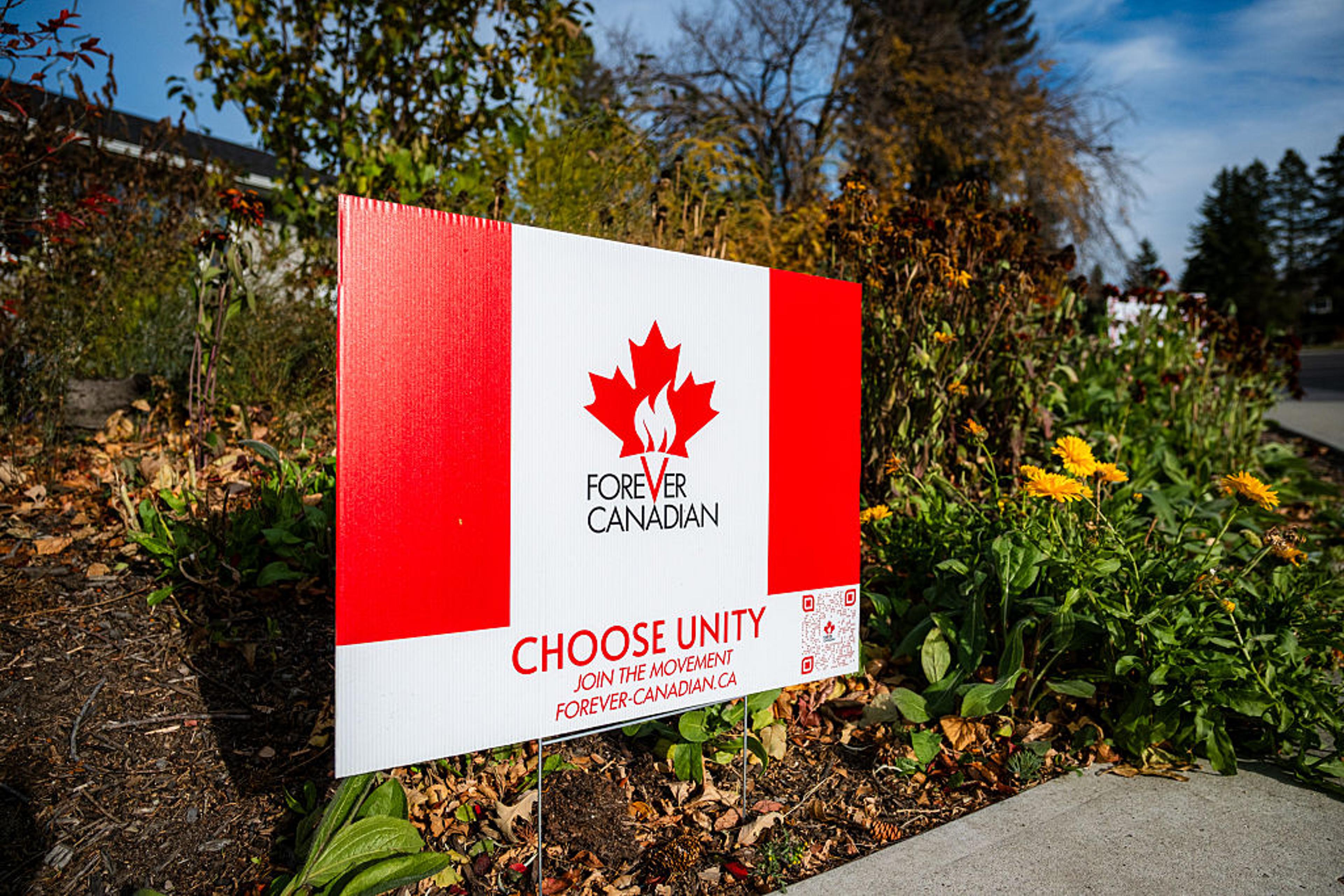
The majority of citizens of Canadian province of Alberta, in referendum on October 19, chose to push down rising separatist movement, giving Prime Minister Mark Carney much-needed relief and boost amid tension with neighbouring US over trade policies and President Donald Trump's provocative ambitions. While official results of non-binding referendum are to be announced October 29, vote with more than 97% votes counted by October 21 morning, has given overwhelming support for oil-rich province to stay with country.
Why is province feeling separatist sentiments? Alberta, with its abundant oil sands, is home to world's fourth-largest proven oil reserves, behind Venezuela, Saudi Arabia and Iran. While neither largest nor most populous province in North American country, Alberta accounts for more than 80% of Canada's crude oil production and contributes disproportionate share to country's economy among provinces. This has long kept separatist sentiments alive along fringes of province's social fabric, with some believing province not getting same from federal government as it is providing.
Read more - War, Wealth, Wreckage
Environmentally friendly policies of liberal governments at centre that aimed at putting curbs on oil extraction stoked sentiments of constituents of conservationist province, which snowballed into popular movement in recent years, helped along with resentment towards restrictions and regulations during pandemic and post-pandemic period. MAGA movement under Trump on other side of border also inspired conservatives in province, who rallied towards secession and autonomy which would let Alberta decide what to do with oil present in its territory, and collect and keep income from oil for itself.
What did latest referendum seek to settle? Referendum was initially introduced as pair of motions approved in March with 9 questions on immigration and welfare policies and constitutional questions on federal structure and inter-provincial cooperation. 10th question, added to 9 initial ones with separate order approved in May, dealt with separation. Instead of seeking yes or no answers like previous 9 questions, last question gave voters two options. Option one was that Alberta should remain Province of Canada, while second option called for provincial government to commence legal process to hold binding referendum on whether or not Alberta should separate from Canada. In essence, referendum wanted citizens of province to either close door on separation talks or urge government to initiate second referendum to decide on separation. With results from more than 97% of voting centres, 15,44,284 votes out of total 20,60,524 counted, nearly 75% supported option one.
Read more - BEYOND THE BARREL
How have leaders reacted? Votes against any separation referendum were large majority for Canada, Carney, who hails from Alberta, said after unofficial results. Alberta Premier Danielle Smith, who called vote in sign of growing pressures from within her United Conservative Party, reacted to early results as vote for stronger Alberta in united Canada. However, separatist leaders have not given up. We are not going anywhere, Jeff Rath, leader of Alberta Prosperity Project and one of faces of separatist movement, said after referendum results became apparent. Rath sees silver lining in 30% of votes for his cause. Former Premier Jason Kennedy had pointed out before referendum that separatist parties traditionally attracted less than 2% votes in elections and referendums. 30% vote on October 19 is exponential growth for movement and could be way to mainstream for Rath and his ideas, one of which is replacing Ms Smith as head of UCP and getting pro-separatist government for province, which takes forward. But with global uncertainties and trade wars with US under Trump who had demeaned Canada's sovereignty multiple times with public comments about making country 51st State of US, Carney needs country united and resources flowing. He would also find strength from fact that leaders of separatist movement had public meetings with US lawmakers in run up to referendum and yet he had overwhelming solidarity from his home province. Support from referendum will boost his ambitions to get major pipeline out of Alberta that he hopes could revive economy. As economist who was in charge of Bank of England during Brexit, not having to go through economic fallout from separation of one of most profitable provinces in country would be relief. For India, Alberta result mirrors Quebec 1995 - resource-rich province staying with federation despite grievance. Lesson for India-Canada ties - middle powers need unity against US tariff bullying, as discussed by Canadian Foreign Minister Anita Anand with Jaishankar earlier.
Tags: #Alberta #Canada #Referendum #Separatism #MarkCarney #OilSands #DanielleSmith #Trump #CanadaPolitics