

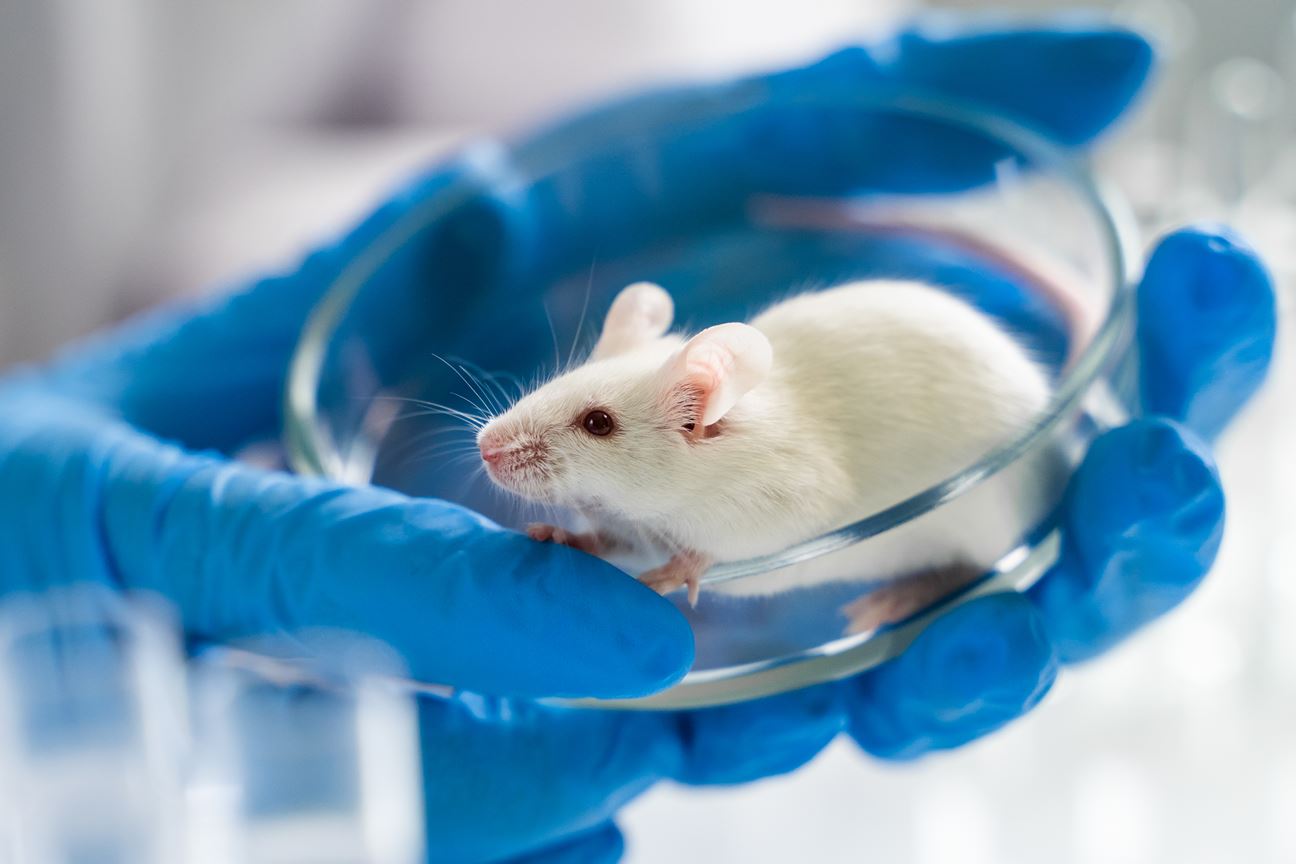
NEW DELHI — A 30-day window that closes on November 5 may decide the future of lab animals in India.
On September 30, the Ministry of Fisheries, Animal Husbandry and Dairying through the Committee for Control and Supervision of Experiments on Animals (CCSEA) notified GSR 864(E) — the Draft Prevention of Cruelty to Animals (Control and Supervision of Experiment, Breeding and Trading of Laboratory Animals) Rules, 2026. It proposes to replace rules framed in 1968 and last amended in 1998.
On paper, it is modernisation. The draft applies to all live non-human vertebrates, including fish larvae, embryonated eggs and mammalian foetuses in last third of development. It codifies the global 3Rs — Replacement of animals with alternatives wherever possible, Reduction to minimum numbers, and Refinement to reduce pain. Every breeder, trader and lab must register with CCSEA for three years, keep a designated veterinarian, trained staff, housing records and humane endpoints for euthanasia.
The flashpoint is who gets to say yes.
Read more - One Elephant, A Million Dogs
Currently, an Institutional Animals Ethics Committee (IAEC) — the lab's own 9-member committee — can only approve experiments on small animals like rodents and rabbits. Any use of large animals — dogs, cats, primates, cattle — needs prior approval from CCSEA in Delhi.
The draft flips this to severity-based approval. Under proposed Rule 7, IAECs can approve mild and moderate experiments on ANY species — including dogs, monkeys, cattle, birds — without prior CCSEA permission. CCSEA would only directly vet severe and non-recovery experiments above rodents and lagomorphs. IAECs would only need to report their decisions to CCSEA within 15 days.
CCSEA says IAECs are not unchecked — each IAEC must have a CCSEA-nominated main nominee and socially-aware nominee, quorum of six, meet twice a year, and the two nominees must inspect facilities twice annually.
Welfare groups call this self-regulation.
PETA India has demanded withdrawal, alleging the draft effectively "transfers regulatory power from the central committee to the very institutions seeking permission." Its petition says the draft was lifted from the 16-year-old EU Directive 2010/63/EU but stripped of safeguards — no ban on reuse after severe suffering, no protection for cephalopods, no mandatory retrospective review, no public non-technical summary, no provision for rescue of animals from violating labs.
Three other clauses have drawn fire. First, sourcing: while registered breeders are mandatory, if they cannot supply, farm animals, birds and fish can be bought from unregistered sources with IAEC approval alone. Second, stray animals: draft says stray and feral animals shall not be used, but "competent authorities" can exempt — without defining that authority. Third, rodents: the draft is silent on who approves severe experiments on rodents and rabbits, who constitute over 95% of lab animals.
Read more - Are We Truly Free?
Government officials argue the change is risk-based and coherent — most developed regimes use severity, not species, to triage, and mandatory veterinary supervision and 30-day decision timelines will reduce pendency.
Animal groups argue pendency is not the problem, pain is.
The draft is open for objections and suggestions to Member Secretary, CCSEA, Delhi, and via email to cpcsea-mef@gov.in until November 5. Fauna Police and Animal Writes have published template objections.
Whether it ends as reform or rollback will depend on how many citizens write in.
*Tags:* #CCSEA #LabAnimals #GSR864 #AnimalTesting #3Rs #PETAIndia #AnimalWelfare #IAEC #AnimalRights #PreventionOfCruelty