

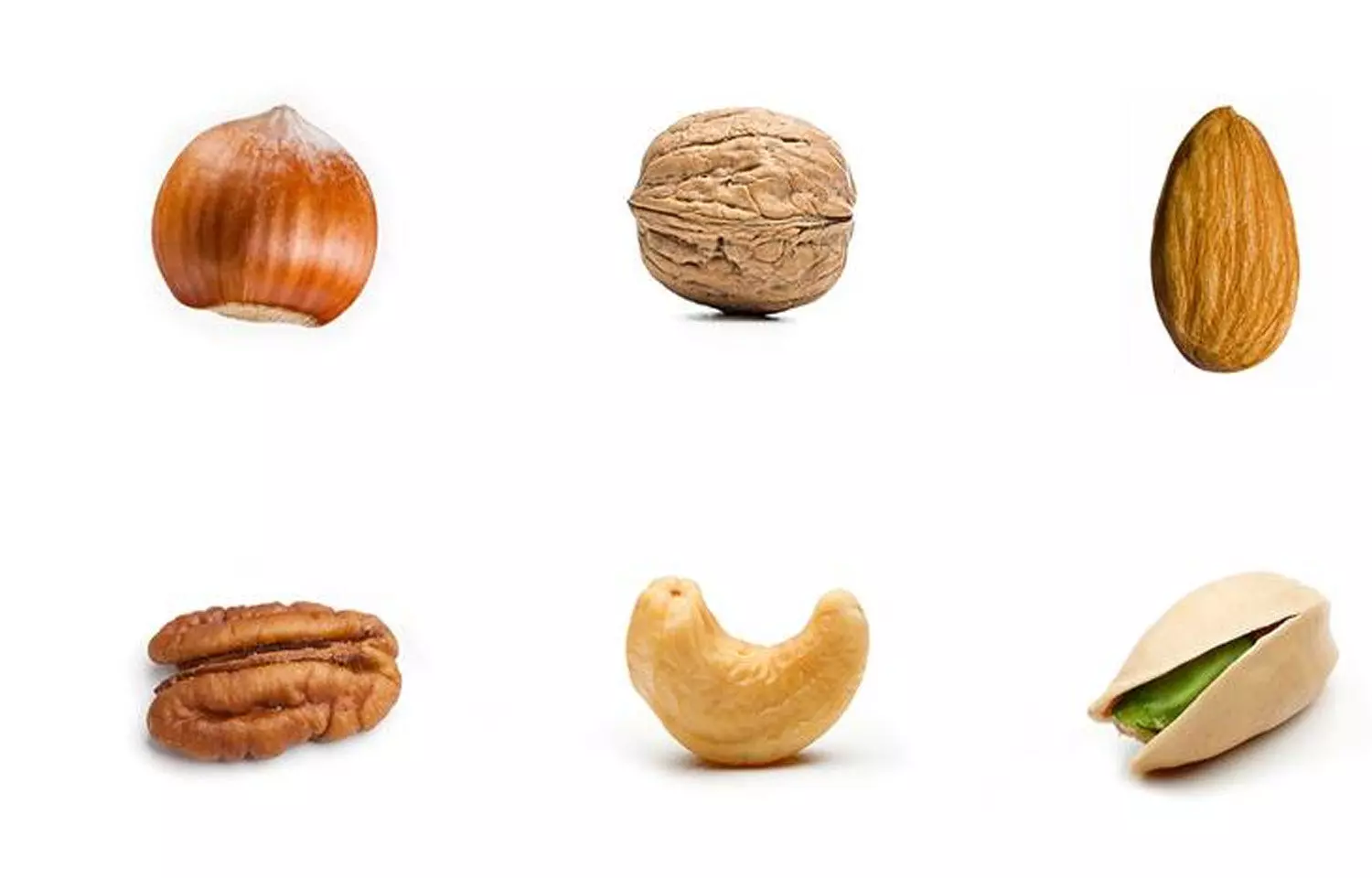
Most common tree nut allergy in Europe — but molecular picture now clearer.
Study:
Jeanrenaud ACSN et al. Multi-Omics Analysis Reveals Vitamin D Metabolism, Hyper-IgE Genes, and Epithelial Barrier Dysfunction in Hazelnut Allergy. Allergy. 2026; DOI: 10.1111/all.70525. Published Nov 15, reported by EMJ.
Design:
- 24 individuals with oral food challenge-confirmed hazelnut allergy vs 109 nonallergic controls.
- Peripheral blood mononuclear cells analyzed — DNA methylation (EWAS), gene expression (transcriptome), secreted proteins — both at baseline and after 48h exposure to hazelnut protein.
- Integrated via Multi-Omics Factor Analysis.
Findings:
- 87 differentially methylated signatures, 125 unique differentially expressed genes, 11 unique differentially secreted proteins associated with hazelnut allergy across analyses.
Three new biological axes:
*1. Hyper-IgE genes — ZNF341 / ARL2 / STAT3:*
Changes in genes associated with ZNF341 and ARL2 — linked to STAT3-mediated IgE dysregulation. Monogenic hyper-IgE syndromes due to ZNF341, STAT3 mutations show massive IgE. Here methylation level changes in same pathways — suggesting epigenetic dysregulation contributing to IgE excess in common hazelnut allergy.
*2. Type 2 cytokine locus — TH2LCRR hypermethylated:*
Hypermethylated region overlapping TH2 locus control region regulatory region (TH2LCRR) — potential epigenetic mechanism driving increased interleukin-5 and IL-13 expression. Antigen stimulation revealed hazelnut-specific transcriptional and protein signals — IL-5 expression could distinguish allergic from nonallergic individuals, pointing to candidate biomarker. Also confirmed established pathways: type-2 cytokine, FcεRI, JAK-STAT signaling.
*3. Vitamin D + barrier dysfunction:*
Increased activity in vitamin D pathway — involving CYP27B1 (activates vitamin D) and IL32 — alongside methylation signals in epithelial barrier genes associated with gut and skin including TRIM31, TRIM40, CDSN (corneodesmosin). Extends previous findings genetic risk conferred by loss-of-function mutations in skin barrier gene filaggrin. Third signal near HLA-B and HLA-C, genes not previously linked to food allergy, closest DMR ∼1.7 Mbp to known hazelnut-associated genetic locus.
Context: tree nut allergy contributes 33-48% anaphylaxis in US, 16% Europe. Hazelnut sensitization up to 17% school-age in birch-pollen areas. Diagnosis relies on whole extract, misses oleosins, vicilins like Cor a 11 storage proteins. This study no genomic inflation, recovery of known allergy genes supports robustness.
Limitations authors note: small sample 24 vs 109, age differences between groups, use of PBMCs limited cell-specific analysis, need larger prospective validation.
Implication: candidate biomarkers for mechanistic research — IL-5, CYP27B1, TRIM genes — and potential directions: vitamin D metabolism modulation, barrier restoration, JAK-STAT targeting.
#HazelnutAllergy #MultiOmics #Epigenetics #IgE #STAT3 #VitaminD #Barrier #Allergy2026 #TH2 #Biomarker