

SISONEE, India — India has grown into rice-producing powerhouse thanks crop-science advances and subsidies designed decades ago keep nation fed. It's also generated growing rice surplus — much exported — even as government shoulders rising cost subsidies.
Reuters review federal government communications states and interviews 10 officials dozen scientists show rising concern Prime Minister Narendra Modi administration about fiscal strain subsidising rice feeding people abroad as well Indians at home.
Rice subsidies make up more than two-thirds India's federal food subsidy bill which more than doubled in decade to 2.28 trillion rupees $24.1 billion in 2025/26.
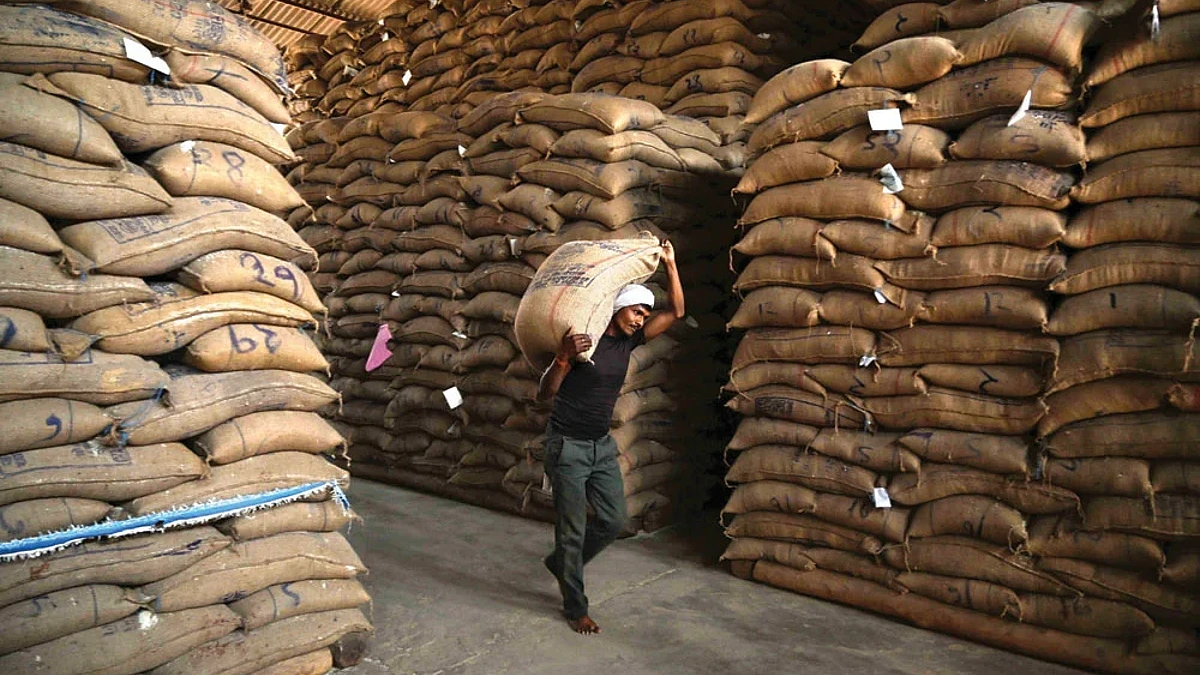
In 1965 government told Indians go without dinner one day week because inadequate harvests. Now exports doubled decade to 22.3 million tons 2025, Indian grain accounts 40% global rice trade and barely enough storage for rising stocks. FCI godowns overflowing 60 million tons.
Surplus stems in part new rice varieties opened up swathes flood-prone east India to reliable cultivation — Swarna-Sub1 submergence tolerant, CR Dhan, flood resistant — helping boost national output 50% decade to record 154 million tons 2025/26 outstripping domestic consumption 107 million tons in nation 1.4 billion people. New varieties expected add at least 10 million tons output next five years estimates two scientists two officials.
Rise supported federal rice subsidy system since mid-1960s when India struggled feed itself. More recently state governments also offered so-called bonuses on top federal minimum price lifting output further. Under system federal government sets Minimum Support Price MSP each year taking account inputs labour fertiliser costs giving farmers incentive grow grain. States like Chhattisgarh, Punjab, Odisha, Telangana, Madhya Pradesh offer Rs 500-1000 quintal bonus above MSP Rs 2320, making rice more profitable.
"In effect, we are using taxpayers' money to subsidise foreign consumers," said Ashok Gulati agricultural economist former government adviser crop prices. He said surplus being “dumped on global markets at prices that undercut competitors.”
Resulting surpluses led rising tensions between federal government and state administrations over bonuses which add to rice overproduction squeeze out crops such as oilseeds pulses that need imported — India imports 60% edible oil.
One senior federal food ministry official told Reuters rice-producing states continue pressure ministry buy more rice calling situation unsustainable — letters to Chhattisgarh warned bonuses distort.
Even as poor rains due El Nino expected deliver lower Indian harvest 2026/27 ample stocks mean USDA still forecasts Indian exports rising next two years.
Political tensions stretch beyond India. As exports climb rival producers Thailand Vietnam US voiced frustration. US President Donald Trump December accused India of dumping selling below cost. Trade body USA Rice April said "unfair competition from bad actors like India" threatened US sales.
Govt facing dilemma: guarantee food security 800 million under PMGKAY free grain vs cut MSP incentives. Scientists warn groundwater depletion Punjab Haryana — rice water intensive — climate risk.
#IndiaRice #MSP #FoodSubsidy #Reuters #AshokGulati #FCI #RiceExports #USDA #Punjab #ElNino