

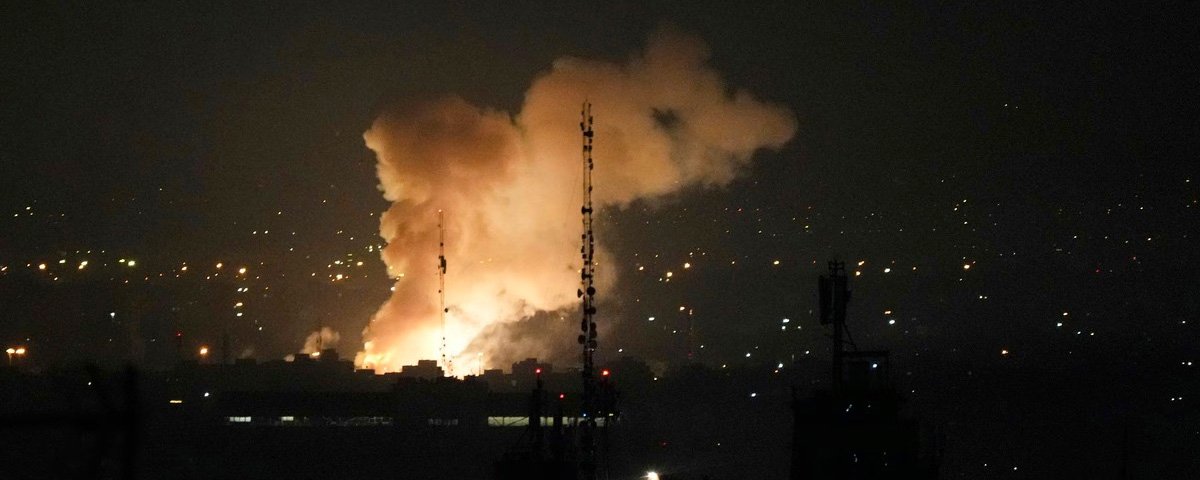
In an escalated unfolding of regional hostilities, the State of Israel has launched a pre-emptive military strike against the Islamic Republic of Iran, a campaign officially dubbed ‘Operation Lion.’ The strike was confirmed on the morning of Friday, 13th June 2025 by Prime Minister Benjamin Netanyahu’s office. The Israeli government has cited imminent peril to national security and the futility of ongoing diplomatic overtures as impetus for the action.
The operation reportedly targeted a series of strategic Iranian facilities believed to be linked to uranium enrichment and missile development. Iranian authorities have confirmed the attacks but are yet to disclose the extent of the destruction and casualties, if any, or their military response plans. Early images and satellite data suggest that multiple high-value facilities have been severely compromised in Natanz and Isfahan. In an official statement, Iran's Foreign Ministry called the strikes "a flagrant violation of international law" and vowed a "firm and proportionate" response.
Prime Minister Benjamin Netanyahu, in a stern national address, defended the action as a “necessary act of defence” against what he called Iran’s “relentless pursuit of our destruction.” Citing newly disclosed intelligence from the International Atomic Energy Agency (IAEA), Netanyahu accused Tehran of concealing the true extent of its nuclear programme and pushing enrichment levels perilously close to weapons-grade. He also quoted the longstanding Iranian slogan, “Death to Israel, Deat to America” as emblematic of Tehran’s uncompromising hostility and long-standing doctrinal belligerence.
“The world has watched Iran chant ‘Death to Israel’ for decades. We will not wait for them to turn slogans into missiles,” Netanyahu declared. “Israel reserves the right to defend itself. Independently, if necessary.”
The Iranian government, in response to the aggression, has declared the operation a “blatant violation of international norms and sovereignty” and “an act of war,” with the Supreme Leader Ayatollah Ali Khamenei pledging retaliation. The Islamic Republic, with its extensive network of proxies, possesses the means to retaliate. From Hezbollah’s fortified presence in southern Lebanon to cyber militias and asymmetric capabilities across the Middle East, Iran’s toolkit is both diffuse and resilient.
Notably, the United States, historically Israel’s ally, has offered only a muted response. White House officials have urged restraint, calling for a de-escalation of tensions, but refrained from endorsing or condemning the operation. The absence of an immediate American response highlights the legacy of the notorious “America First” policy, wherein regional disputes are expected to be resolved by the belligerents themselves. This stance, now bipartisan in practice if not in principle, reflects a diminution of U.S. appetite for global military arbitration.
The Arab world, especially countries aligned with the Abraham Accords, has remained largely silent. While privately sympathetic to efforts aimed at curtailing Iranian hegemony, these nations face considerable internal and external constraints which inhibit overt support for Israel’s unilateral military endeavours. Endorsing the attack risks domestic unrest and Iranian reprisal; condemning it would undercut years of silent collaboration. This ambiguity, once useful, may no longer be sustainable.
At an international level, the United Nations Security Council has convened an emergency session, though substantive action appears unlikely. With Russia and China expected to shield Iran from punitive resolutions, and Western powers split on how to interpret Israel’s actions, the prospects for a unified diplomatic response remain slim.
Economic fallout has been swift. Global oil prices surged overnight, with Brent crude jumping by over 10% amid fears of disruption in the Strait of Hormuz—a chokepoint through which nearly a fifth of the world’s oil passes. Economists warn that prolonged instability could have cascading effects on inflation, supply chains, and energy security, particularly in Europe and South Asia.
Operation Lion delineates a major turning point in the Middle-Eastern geopolitical status quo, highlighting the attenuation of collective diplomacy and the ascendancy of sovereign militarism. With Israel moving independently and Iran poised to respond, the threat of wider escalation is tangible. The onus now rests on the international community to revitalise diplomatic talks before geopolitical volatility crystallises into unrestrained conflict.
Dhanishtha De is a trainee journalist at Cult Current. The views expressed in the article are
her ownand do not necessarily reflect the official stance of Cult Current