

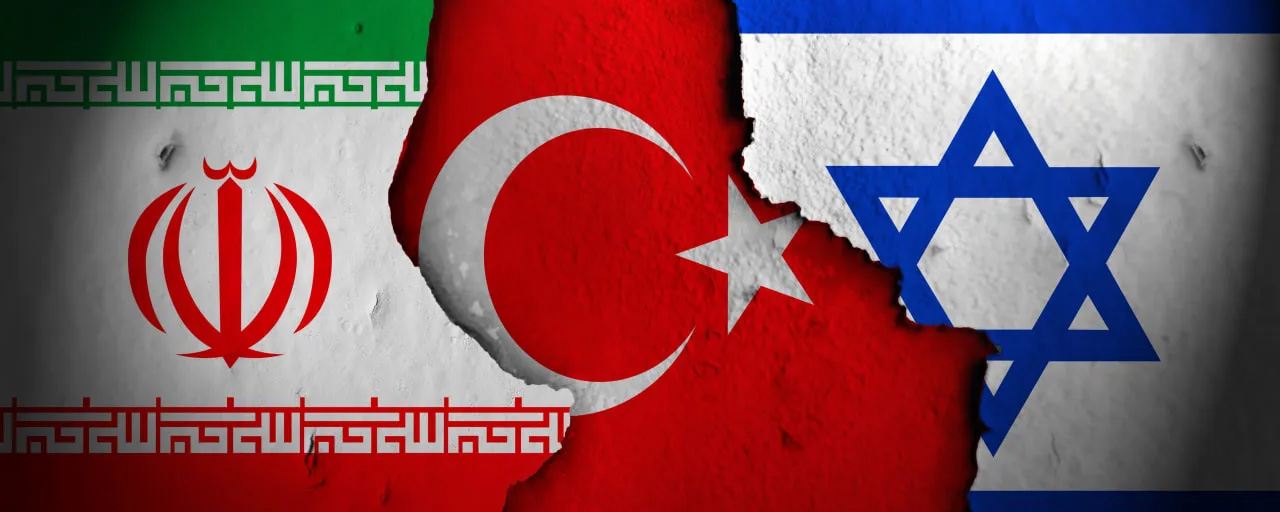
In the complex and ever-changing world of international diplomacy, Pakistan now finds itself in a delicate position. Two of its close allies—Azerbaijan and Turkey—may soon find themselves pulling in opposite directions over one of the most polarizing issues in global politics: Israel.
At the center of the latest shift is Azerbaijan, a country that enjoys strong ties with both Israel and Pakistan. Reports suggest that Baku is quietly encouraging Israel to mend relations with Turkey. On the surface, this may seem like a routine diplomatic overture, but for Islamabad, the stakes are much higher.
A Deep-Rooted Position
Pakistan has long held a clear stance on the Israel-Palestine issue. It has refused to recognize Israel, standing firmly with the Palestinian cause and aligning itself with fellow Muslim-majority nations that have historically opposed Israeli actions in the region. Turkey has traditionally taken a similar line, though its relationship with Israel has gone through periods of cautious cooperation and intense hostility. At the moment, tensions are at a peak.
Recent Israeli military operations in Gaza, Lebanon, and Syria have sparked outrage across the Muslim world. Turkish President Recep Tayyip Erdoğan has been one of the most vocal critics, accusing Israeli Prime Minister Benjamin Netanyahu of genocide and even comparing him to Adolf Hitler. In response, Turkey has cut off diplomatic channels, recalled its ambassadors, and renewed its pledge to stand with the Palestinians.
Azerbaijan's Calculated Move
In this tense climate, Azerbaijan’s effort to mediate between Turkey and Israel is bold—and potentially risky. The motivations are clear: Azerbaijan has a strategic defense relationship with Israel, particularly in the areas of arms and technology, and also relies on Israel for energy exports. At the same time, it shares close cultural and political ties with Turkey, often referring to their bond as “one nation, two states.” Pakistan, too, has become an increasingly valued partner, especially since its support for Azerbaijan during the Nagorno-Karabakh conflict.
By encouraging Israel and Turkey to normalize relations, Azerbaijan likely hopes to strengthen regional stability and advance its own economic and geopolitical goals. But the timing couldn’t be more sensitive.
Pakistan’s Diplomatic Dilemma
For Pakistan, this puts things in a tricky spot. Its alliance with Turkey is deep and historic, grounded in shared values, mutual military interests, and public support. Meanwhile, its relationship with Azerbaijan has grown rapidly in recent years. Yet if Pakistan is seen as supporting any effort—directly or indirectly—that leads to a thaw between Turkey and Israel while Israel continues its military operations in Palestinian territories, it could be viewed domestically as compromising its long-standing stance.
Such a perception would not sit well with the Pakistani public or political establishment, both of which have consistently backed the Palestinian cause.
Quiet Diplomacy Over Confrontation
In all likelihood, Pakistan will choose a path of quiet diplomacy. It will likely reaffirm its solidarity with Palestine, echo Turkey’s criticism of Israel, and advise Azerbaijan to proceed cautiously. Behind closed doors, Islamabad may suggest that Baku hold off on any mediation attempts until regional tensions cool.
At the same time, Pakistan will aim to preserve its ties with both allies. That means continuing diplomatic engagement with Azerbaijan while publicly showing support for Turkey’s stance.
Regional forums like the Organization of Islamic Cooperation (OIC) may prove helpful in navigating this tightrope. Pakistan could use such platforms to call for a unified Muslim response to the ongoing crisis in Gaza while also discouraging any moves toward premature normalization with Israel.
The situation remains fluid. While a full diplomatic reset between Turkey and Israel doesn’t seem likely in the near future, Azerbaijan’s behind-the-scenes efforts are laying the groundwork that could shift the regional balance down the line.
For Pakistan, this is more than just a diplomatic test—it’s a balancing act that requires both principle and pragmatism. As global alliances shift and regional interests evolve, Islamabad must tread carefully, preserving its values while maintaining strong ties with those who matter most.
Vandita Kheluth is a trainee journalist at Cult Current. The views expressed in the article are
her ownand do not necessarily reflect the official stance of Cult Current