

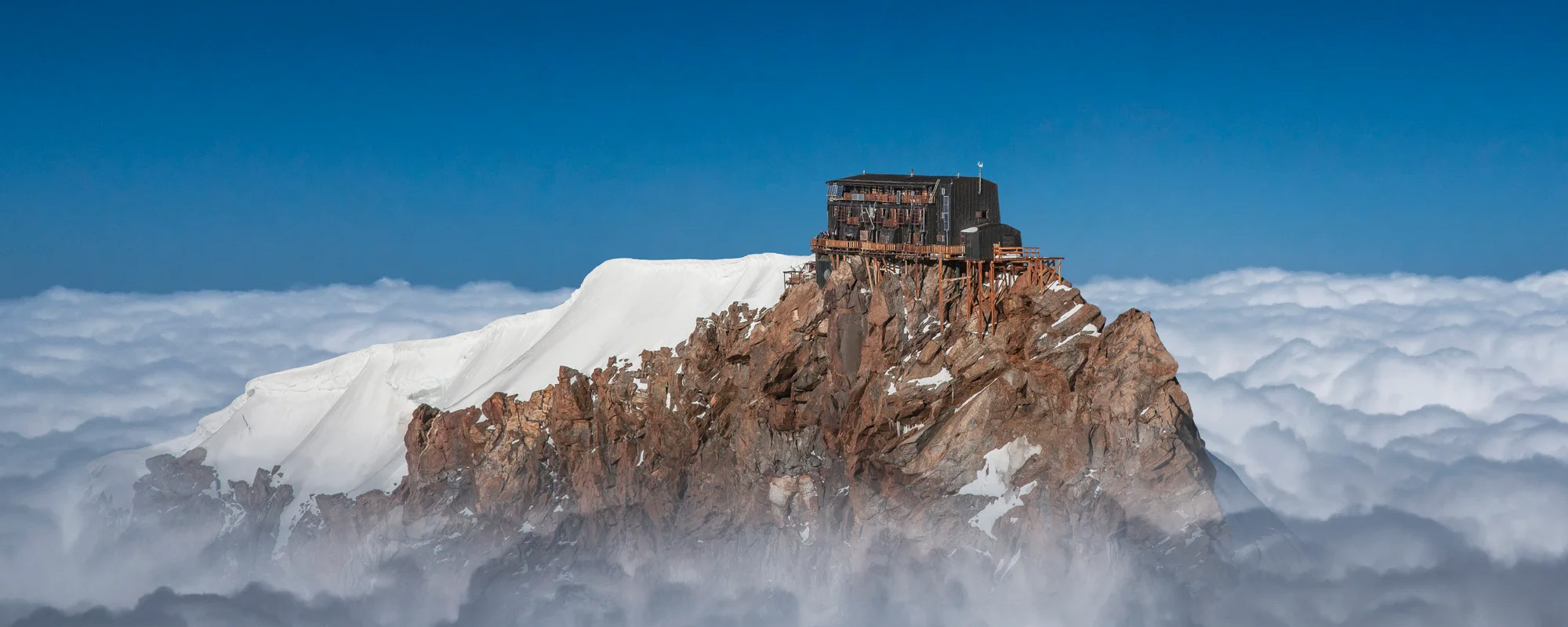
On June 17, 2024, the Swiss Academy of Sciences issued a stark warning: permafrost in the Swiss Alps has reached record levels of warming, signaling a dangerous acceleration in alpine thaw. For a region built on the stability of frozen ground, this shift is more than a climate statistic—it is an unfolding geological crisis.
Permafrost, by definition, is ground that remains frozen for at least two consecutive years. It acts as the glue holding together the rocks, soil, and glaciers that shape the alpine landscape. In high-mountain regions like the Swiss Alps, permafrost underpins steep slopes and rocky peaks. When it thaws, the consequences are immediate and dramatic: landslides, rockfalls, glacier collapses, and dangerous disruptions to mountain infrastructure.
Understanding the Warming Trend
The recent findings from the Swiss Permafrost Monitoring Network (PERMOS) confirm that the 2023–2024 hydrological year which spans from October 1, 2023, to September 30, 2024 was the warmest ever recorded for permafrost since systematic measurements began over two decades ago. A hydrological year is used by scientists to better understand environmental trends across the full seasonal water cycle, capturing snow accumulation, melt, rainfall, and runoff patterns in a single frame. This timeline better reflects the behavior of natural systems than the standard calendar year.
Temperatures in the permafrost layer reached unprecedented highs, even at altitudes above 2,500 metres. Data loggers buried deep in the alpine rock detected thawing at depths where permafrost was once considered stable. The root cause is clear: sustained increases in global temperatures, driven by greenhouse gas emissions, are pushing fragile mountain systems past their thermal limits. The summer of 2023 saw intense heatwaves across Europe, and winter snowfall was exceptionally low both factors contributing to reduced insulation and more rapid ground warming.
Case Study: Blatten Village Disaster, May 2024
In May 2024, the quiet mountain village of Blatten in Valais was rocked by a massive rockfall that tore down part of a nearby cliff face. Though no casualties were reported, the event forced dozens to evacuate and highlighted the unpredictable nature of permafrost-driven hazards. Geologists later confirmed that the slope had been held together by permafrost for centuries until this year’s warming destabilized the rock.
This incident is not isolated. Throughout the Alps, local authorities are now being forced to reassess the safety of hiking routes, ski resorts, and transportation infrastructure. Roads once thought to be permanent are now threatened by shifting earth and falling debris.
Case Study: Collapse of the Birch Glacier
Another harrowing example occurred with the sudden collapse of the Birch Glacier a relatively small but strategically monitored ice body. Located in the Bernese Alps, this glacier disintegrated far earlier in the season than expected, sending a slurry of ice and rock into the valley below. Again, the destabilization was traced back to thawing permafrost at the glacier’s base, which had once anchored it in place. Without that frozen grip, gravity took over.
This pattern is part of a larger climate cascade. Thawing permafrost releases stored carbon and methane greenhouse gases that further fuel warming. Additionally, it disrupts mountain water storage and release, which are vital for downstream communities. As ice and rock give way, rivers become unpredictable and reservoirs are harder to manage.
The Way Forward
The record permafrost warming in the Swiss Alps is not just a Swiss issue it’s a climate warning for the entire world. Mountain ecosystems are often early indicators of global change, and what we are seeing now is a preview of more widespread instability to come. Climate models suggest that unless drastic reductions in emissions are made, the permafrost zones in the Alps could be largely gone by the end of this century.
For policymakers and mountain communities alike, the message is urgent. Climate adaptation plans need to account for geological risks, not just temperature changes. Monitoring networks like PERMOS are critical, but they need to be paired with decisive climate action both local and global.
As the mountains crack under the heat, the stability we once took for granted is no longer certain. And in that uncertainty lies both a challenge and a choice one that demands immediate, informed, and collective response.
Divya Panchal is a trainee journalist at Cult Current. The views expressed in the article are
her ownand do not necessarily reflect the official stance of Cult Current.