
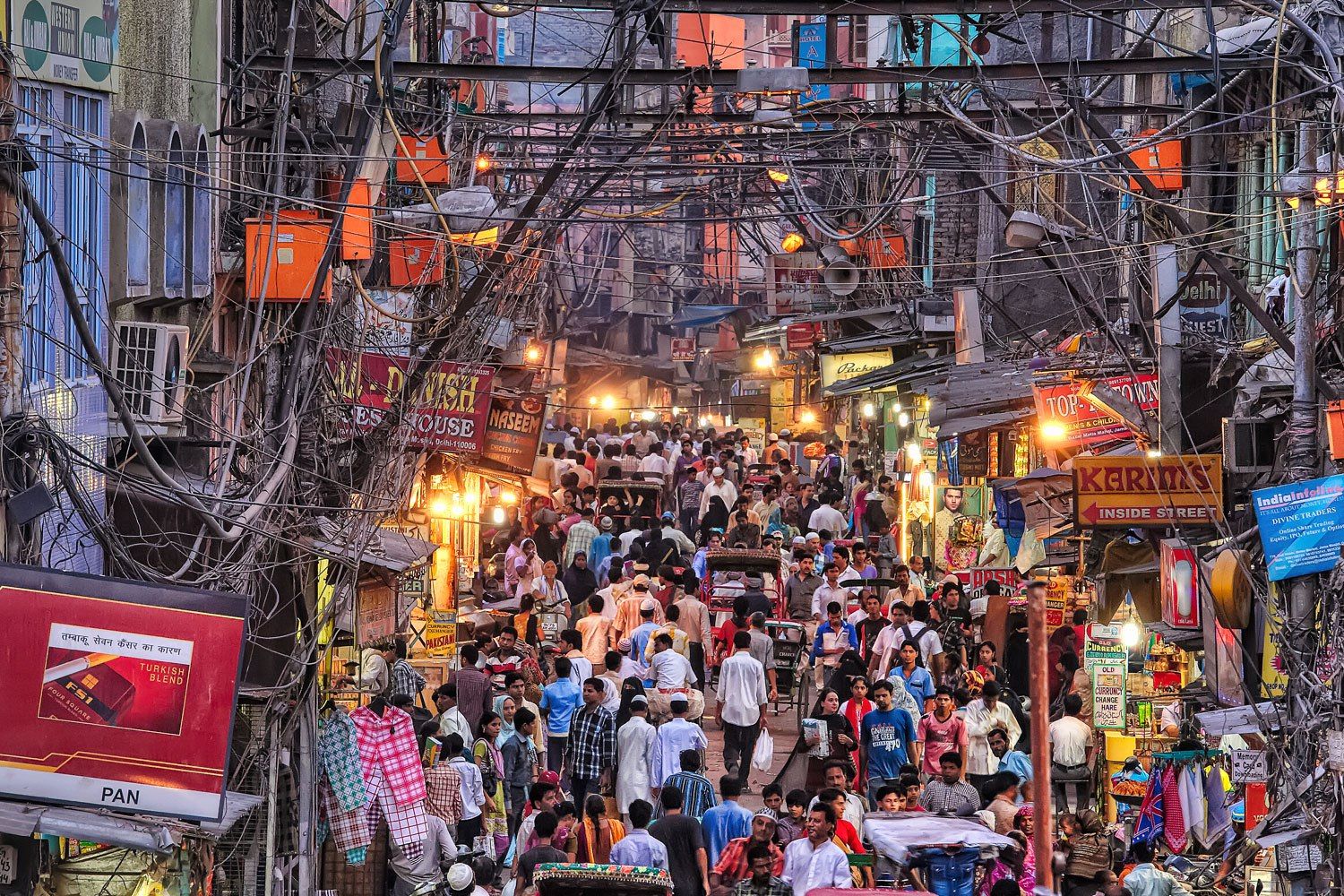
Delhi’s decision to shut nearly 300 shops in Chandni Chowk from August 12 to 15 is understandable. However, it is also unfair. In the aftermath of the November 10, 2025 blast near Red Fort that killed 13 people, the state has chosen the safest path: eliminate risk by eliminating activity. The entire 1 kilometre stretch between Gurdwara Sis Ganj Sahib and Red Fort will be a no-commerce zone for four days straight. Verification drives began two weeks early. Police, Army and paramilitary patrols are now routine.
No one can argue against the need for vigilance. The Red Fort is not just a monument. It is the stage for the nation’s most symbolic event. A lapse there is a lapse for the country. After 2025, the administration cannot afford to take chances. Advancing security by two weeks and treating the whole corridor as a single perimeter is, from a counter-terrorism lens, the logical step.
But logic for the state cannot become cruelty for the citizen.
Chandni Chowk is not a mall. It is a living, 400-year-old economy. For traders, this is not “one holiday.” It is four days of lost revenue in a season already dulled by monsoon. It is inventory stuck, EMIs due, and daily-wage workers sent home without pay. A 70-year-old shopkeeper called it the most extensive shutdown in decades. That should tell us something.
The larger issue is what this reveals about the new state-citizen contract. Until last year, shops could function outside rehearsal hours. The assumption was: security and commerce can coexist with planning. In 2026, the assumption has changed.
We have seen this pattern before, after 26/11 in Mumbai, after Parliament attack. Each major incident pushes the state to ring-fence symbolic spaces more aggressively. Over time, “temporary” becomes “normal.” That is the danger. Security is non-negotiable. But a democracy must also ask: who pays for it, and how? Right now, the cost is being absorbed entirely by small traders with no compensation, no insurance, no dialogue. That is not resilience. That is burden-shifting.
This Independence Day, Delhi will look secure. The Fort will be safe. The ceremony will go on but a few kilometres away, a historic market will be silent, not because of a festival, but fear.
Security must come first. But it cannot come alone. If the state asks citizens to pay the price for safety, it must also share the cost. Otherwise, every August will mean the same trade-off: a safer nation, and a poorer Chandni Chowk.