

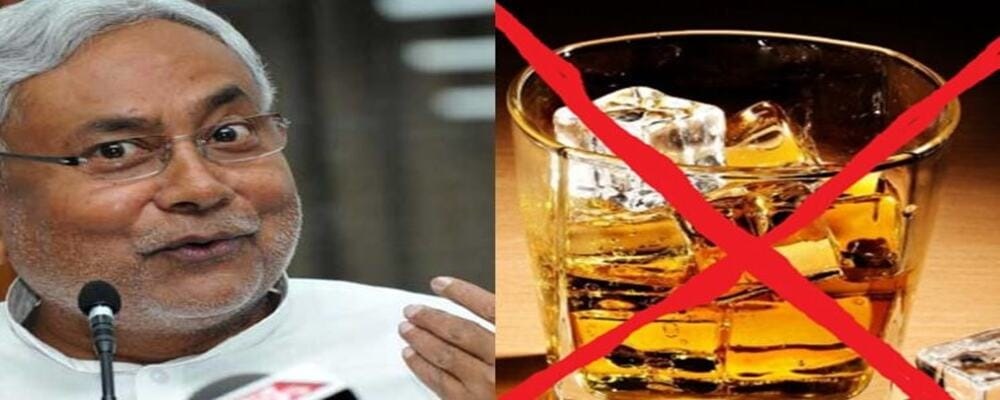
Data backs Bihar’s liquor prohibition. Bihar’s alcohol ban, imposed in 2016, has been called a failure. A new report says that narrative is wrong.
Critics argue the ban didn’t reduce violence against women and cost the state revenue. Authors of the report “Macro Perspective of Bihar’s Development Achievements” say both claims are incomplete.
On crime: NCRB data shows crimes against women rose after the ban. But the authors note crime data captures only reported, severe cases. Most domestic violence goes unreported due to stigma and family pressure. Quasi-experimental studies show a different picture — intimate partner violence dropped substantially in Bihar compared to other states post-ban. One study estimated 2.1 lakh cases of violence were prevented.
On revenue: Bihar lost excise income worth 14% of state revenue. But the “social value of losses” — health costs, accidents, lost productivity — is estimated at 3 times the gains from alcohol taxes. A 2019 study found alcohol use cost India 1.45% of GDP.
Health data also supports the ban. Studies found 18 lakh fewer cases of overweight/obesity among men. Reductions were also seen in hypertension, diabetes and obesity.
The authors don’t argue for a blanket ban everywhere. They suggest the debate should shift from “ban vs no ban” to “what works”. Options like rationing, education, and treatment can be intermediate steps.
“The last 10 years have shown mental health, education and employment opportunities expanded,” the report notes. The real question is whether those gains can be sustained.
Bihar’s experiment remains controversial. But the data suggests its social outcomes are better than the revenue loss narrative admits.