

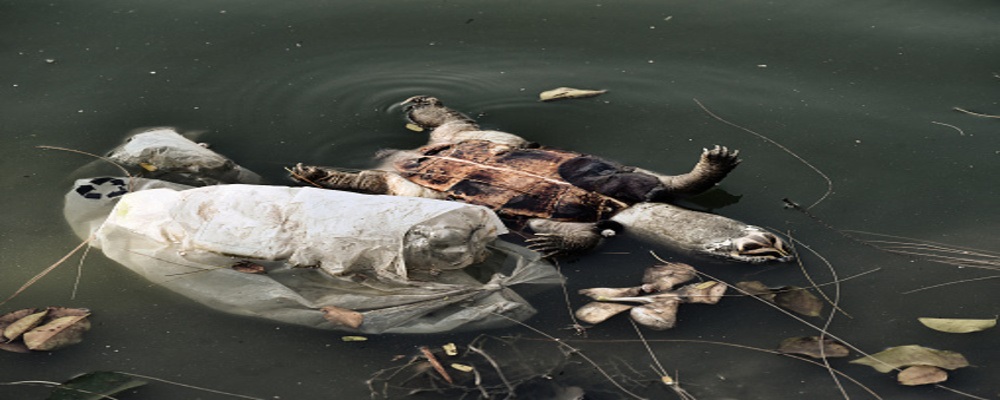
A safe haven has turned into a killing field. For years, the pond at Kajalheri village in Haryana's Fatehabad was home to hundreds of rare turtles. Today, it is forcing them to flee for their lives.
The Shri Guru Gorakhnath Community Reserve, notified in 2019, hosts an estimated 150-200 Indian softshell, red-crowned roofed and Indian peacock turtles. All are Schedule I protected under the Wildlife (Protection) Act - same level as tigers and rhinos - and listed on the IUCN Red List.
But untreated sewage and chemical waste have made the water toxic. Environmentalists say contaminated water is causing skin lesions, fungal infections and blindness among softshell turtles. With the pond polluted, turtles are leaving the reserve, crossing fields and roads towards the Kishangarh canal for cleaner water, and being crushed by vehicles.
The crisis is multi-layered. Without fencing, stray dogs dig up nests to eat eggs, while cattle trample nesting banks. Wildlife conservationist Vaishali Rana has sought a criminal case under the Wildlife Act against panchayat functionaries and reserve management for allowing deliberate sewage discharge and ignoring directions from the Chief Conservator of Forest (Wildlife) in January.
Locals allege official apathy. Resident Satpal Kajal alleged funds were diverted to other projects due to nexus between panchayat and wildlife officials. A senior wildlife official admitted delay in remedial measures - diverting sewage, fencing, creating raised nesting mounds - citing fund shortage, saying work will begin after monsoon once funds are released. For a critically endangered species, that delay could be fatal.