

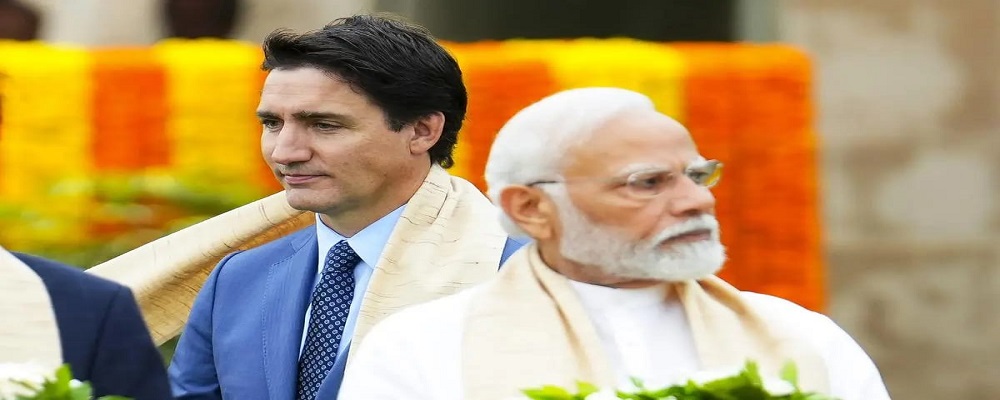
‘India and Canada are well beyond reset now’ — the headline from The Hindu’s MIND event is deliberate. Three years after diplomatic ties soured over killing of a Khalistani activist in Canada and tit-for-tat expulsion of diplomats and sending back High Commissioners, both sides appear to be attempting a rebuild.
Canadian High Commissioner to India Christopher Cooter, in conversation with Diplomatic Affairs Editor Suhasini Haidar, said two countries have now gone well beyond reset in ties. He noted Prime Minister Narendra Modi and Prime Minister Mark Carney’s meeting in Kananaskis in June — the first visit to Canada by an Indian PM in more than a decade — was warm, and that new road map with 50 areas of cooperation was announced.
Cooter addressed the Nijjar killing directly. Asked why trial is taking so long, he said it is a judicial process, now entering 24 months. On Lawrence Bishnoi gang being declared a terrorist organisation, he said it was a good example of cooperation. “We aren’t just talking about India-Canada, but the US, Indians and Americans working together on a common problem. This is a move to make both our countries more safe.”
On trade, Cooter was candid. While in G7, Canada is 40th in size by population — about 42 million — trade in 2024 was about $10 billion. On student caps — key friction point — he explained Canada had nearly 1 million international students, over 40% from India, and that housing and fraud concerns forced curbs. “There was a problem in certain smaller communities... they said... they are so reliant on international students... So rules were clamped down... We want Indian students, but need sustainability.”
On deeper issues: why Canada has less Indian students now — housing guarantees and funding requirements — and on energy, he noted Canada has hydrocarbons that can go via west coast ports, and with Trans Mountain Expansion Project, can produce about 900,000 barrels more, potentially for India.
Asked if Canada owes India an apology for public allegations, he avoided. On extradition of Lawrence Bishnoi and Goldy Brar, he said not to his knowledge. On BRICS, he said Canada watches but is not aligned with Western consensus against it.
The envoy’s message: the Nijjar case will continue in courts, but security dialogue, trade talks, nuclear cooperation — Canada’s CANDU reactors — and education ties have resumed. The two Prime Ministers have chemistry, and the period when ties are being rebuilt is the one that works best for them. Reset is over; rebuild has begun.