

Yemen's Iran-aligned Houthis launched a new attack on Saudi Arabia on Monday and Gulf Arab states postponed planned talks with Iran, underscoring fears that the West Asia conflict could spread further and threaten global oil supplies.
US President Donald Trump said Iran wanted to reach a deal with Washington, signalling a possible diplomatic opening despite widening tensions.
"The failing Nation of Iran wants to make a deal, quickly and badly. I will determine whether or not the USA will choose to engage - The concept of which we are open to," Trump wrote on Truth Social.
Trump made the comments after cancellation of the planned Gulf-Iran meeting and as the Houthis expanded military operations beyond Yemen, adding to concerns over the security of energy infrastructure and shipping routes across the region.
The Houthis said they fired dozens of missiles and drones at a military airbase in Khamis Mushait in southern Saudi Arabia, targeting aircraft hangars, radar systems, runways and ammunition depots in retaliation for Saudi airstrikes in Yemen.
Saudi authorities issued emergency alerts there and in three other southern cities which have previously come under Houthi fire. The Houthis have advanced rapidly in Yemen in recent days, capturing territory including Perim Island at the mouth of the Red Sea on Friday.
A separate attack the same day, which Riyadh blamed on Iran-backed fighters in Iraq, knocked out Saudi Arabia's east-west pipeline, a key route that allows Gulf oil exports to bypass the blockaded Strait of Hormuz.
Oman had been due to host a meeting on Monday with Iran and Gulf states to discuss negotiations aimed at reopening Hormuz. But Oman's Foreign Minister Sayyid Badr Albusaidi announced overnight that the meeting had been postponed. Iran said the postponement was at the request of Saudi Arabia.
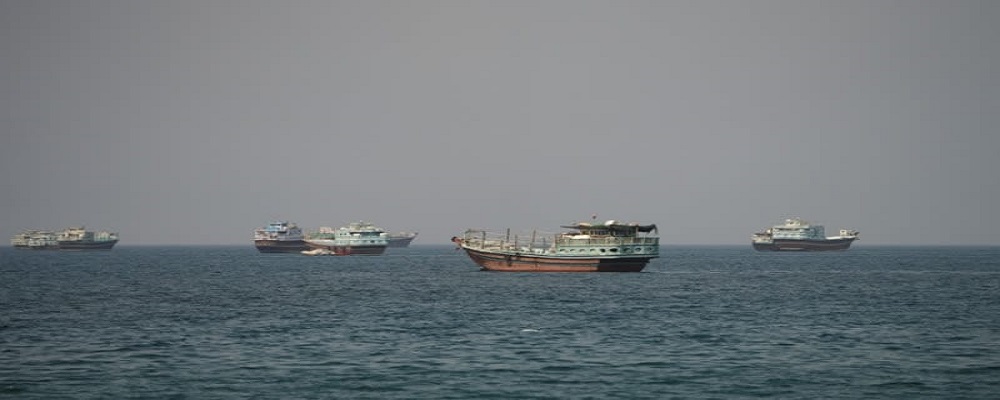
Iran meanwhile published a list of 77 ships it said had violated its operating protocols in Hormuz and warned they could face fines, detention or confiscation on future transits.
The renewed Yemen conflict poses another challenge for Trump, who faces pressure from Gulf allies to help contain the Houthis but has sought to avoid opening a major new front in the regional war.
The meeting comes days after three sources familiar with the matter told Reuters the crown prince had sought military assistance from US President Donald Trump to help fight the Houthis. Trump did not agree to US strikes on the group, but Washington told Riyadh it would provide intelligence-sharing and targeting assistance, the sources added.
In Jeddah on Monday, Saudi Crown Prince Mohammed bin Salman discussed regional developments with US Central Command chief Admiral Brad Cooper, Saudi state media said, amid escalating hostilities with Yemen's Iran-aligned Houthis.
*Analysis:* This is a classic Gulf squeeze play. The Houthis hit Khamis Mushait and the East-West pipeline on the same day Oman was to mediate Hormuz reopening — a deliberate spoiler. Perim Island gives them leverage over Bab el-Mandeb, the pipeline attack removes Saudi's Hormuz bypass. With 82,000 Yemenis displaced since start of month and the historic port of Mocha fallen last week, the Houthis are negotiating from a position of strength.
For Trump, who said in Ireland that the Iran war would end shortly after November's US midterms and oil prices would "drop like a rock," the timing is awkward. He wants to show Iran is desperate for a deal while avoiding a new war before midterms. Hence no US strikes, only intel support to Riyadh.
For India and the oil market, the message is clear: Hormuz will remain shut, bypass routes are now targets, and $107 Brent is not a spike but a new risk premium.