

September 23, 1918 Battle of Haifa occupies curious place in intertwined histories of India, Israel, and Palestine. Small but tactically significant cavalry action in final phase of First World War, over past century become site of layered remembrance celebrated, contested, reclaimed.
For India, Haifa invoked as symbol of extraordinary global footprint of Indian soldiers during WWI. More than million Indians served overseas, from Flanders to Mesopotamia, over 74,000 died in war not of their own making. Cavalry charge at Haifa executed by Jodhpur, Mysore, Hyderabad Lancers stands out as dramatic episodes of valour abroad. British war diaries describe action decisive in securing port city enabling Allied advance northwards to Damascus. It was also one of last great cavalry charges, featuring 15th Imperial Service Cavalry Brigade which overcame principally Ottoman forces. Complication: Indian forces under British command — many Palestinian Arabs on side of Ottomans.
In decades since Independence, Haifa become part of broader effort to reclaim military history from shadow of empire. Soldiers who fought there were colonial subjects, but courage belongs to India’s national story. Commemorating Haifa thus becomes act of historical recovery: assertion Indian agency existed even within constraints of imperial command.
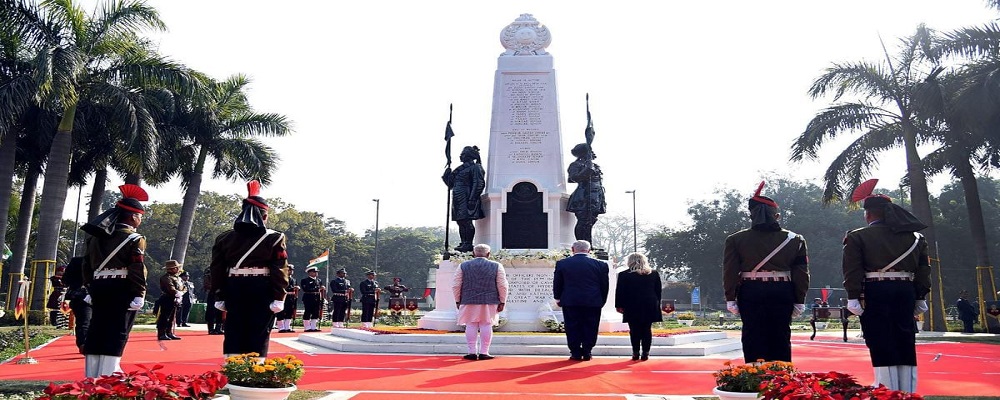
Haifa narrative also illustrates how postcolonial nations reinterpret pasts to assert dignity. For India, celebrating battle and renaming First World War memorial as Teen Murti Haifa Chowk acknowledges soldiers shaped world events long before independence. For Israel, Haifa port liberated by Indians is remembered warmly, with Indian soldiers honoured at Haifa cemetery. For Palestinians, same battle is loss of Ottoman rule leading to British Mandate and later dispossession.
Remembering Haifa today requires navigating not only battlefield but shifting terrain of postcolonial identity, diplomatic symbolism, moral ambiguities of imperial history. Valour and empire cannot be separated, but valour can be reclaimed without celebrating empire.