
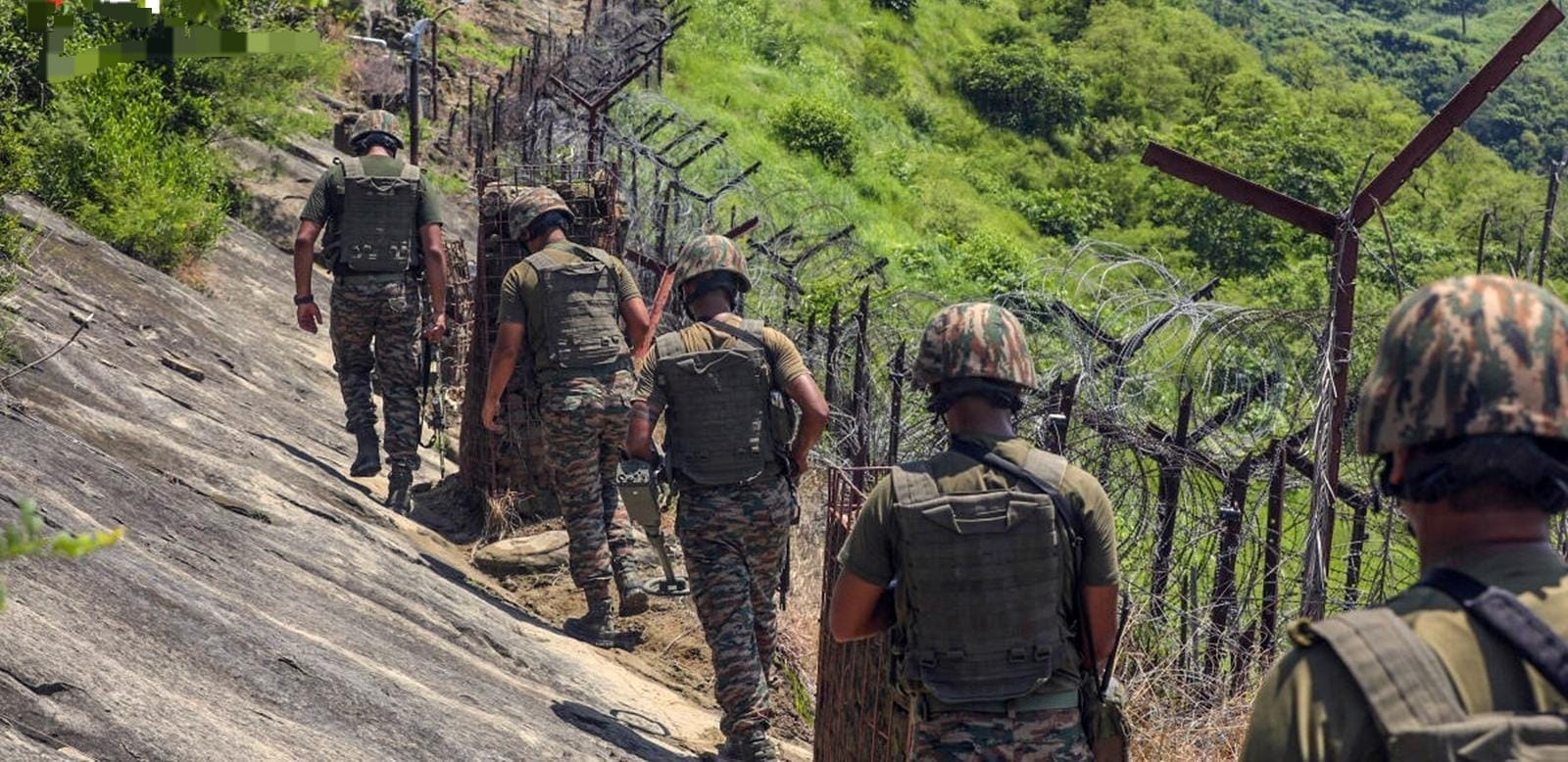

Ten years ago, on the night of September 28-29, 2016, the Indian Army carried out what it described as its first coordinated cross-border surgical strikes across the Line of Control in retaliation for the September 18 Uri Brigade HQ attack that killed 19 soldiers. Para (Special Forces) teams crossed LoC, targeted seven terrorist launchpads both north and south of Pir Panjal, using small arms, rocket launchers, flamethrowers and grenades, killing an estimated 35-50 terrorists.
A decade later, counter-terrorism, retaliatory strikes and the security situation in Jammu and Kashmir have significantly changed, defence officials. The data: 322 militant incidents in 2016 with 150 terrorists and 82 security personnel killed, compared to 12 terror-related incidents in 2025 with 16 security personnel deaths. The Valley, officials say, is considerably quieter than in 2016-18, but the threat is more dispersed, harder to detect and increasingly concentrated in Jammu division.
ACLED (Armed Conflict Location & Event Data) notes over 60% of violent militant activity in J&K in 2025 occurred in Jammu division against 5% in 2018, attributing partly to difficult forested and mountainous terrain of Jammu and troop deployment shifts after the 2020-21 India-China border crisis.
Three shifts define the new doctrine. First, geography and technology: from cordon and search operations with big contingents to intelligence-specific, fewer troops, greater use of technology. Extensive patrolling and surveillance has kept terrorists confined to hideouts or higher reaches, especially after abrogation of Article 370 in 2019 accompanied by infusion of troops.
Read more- Balancing the Dragon: India’s Strategic Tightrope
Second, the rise of tech. "While earlier the mainstay was human intelligence and tracking radio frequencies, now large-scale induction of UAVs has made this more elaborate. Simultaneously, there is more access to satellite imagery," an official said, cautioning that cultivating human intelligence cannot be entirely jettisoned, as felt "after a series of attacks south of Pir Panjal."
Inter-agency coordination — laterally and vertically — has been enhanced, accelerating real-time intelligence flow. Day-and-night area domination and counter-insurgency grid strengthening with changed deployment patterns, particularly Rashtriya Rifles bearing counter-insurgency burden.
After Pahalgam terror attack and Operation Sindoor in May 2025 — an integrated operation surveillance drones and counter-drone capabilities have been further enhanced, with temporary operating bases along vulnerable stretches.
Former Northern Army Commander Lt Gen D S Hooda (retd), who oversaw 2016 strikes, explained change from ground-based 2016 surgical strikes to 2019 Balakot air strikes and Op Sindoor. He said biggest improvements aside from troops being better equipped has been in surveillance and intelligence-gathering architecture, but cautioned escalation risk has gone up.
Tags: #SurgicalStrikes #IndianArmy #LoC #JammuKashmir #CounterTerrorism #OperationSindoor #UriAttack #NationalSecurity #PirPanjal #Drones