

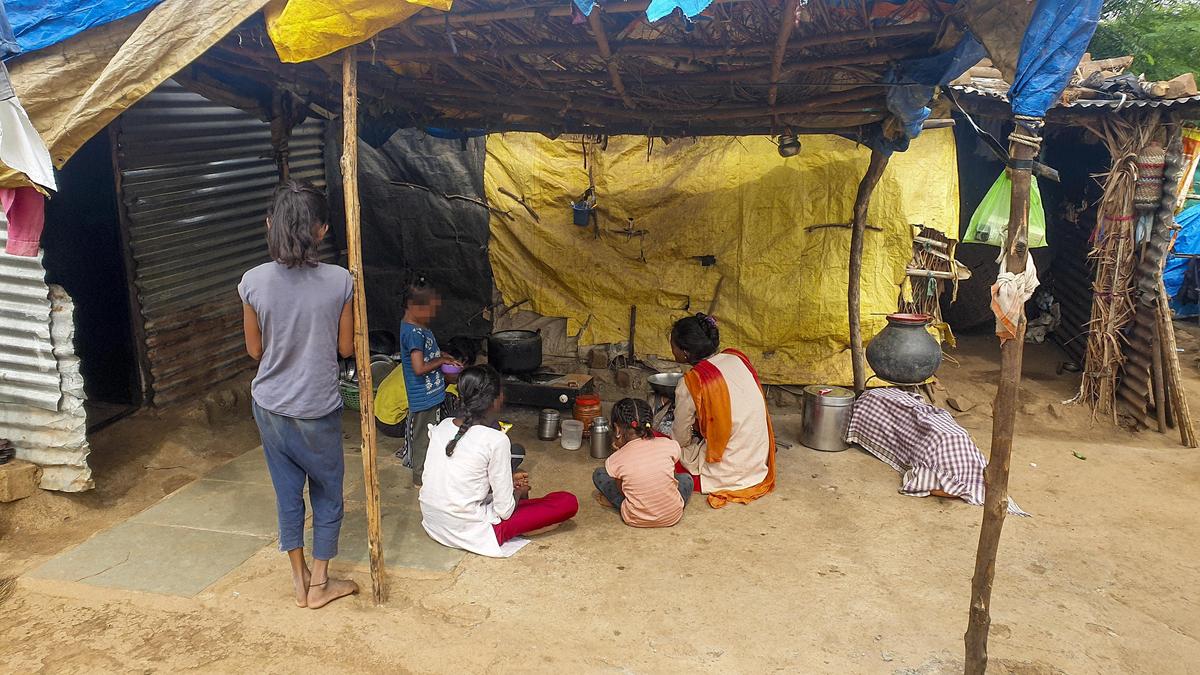
In Beed, 27 km from the district headquarters, a 15-year-old wakes up from nightmares of a wedding she never chose - Hindi film songs, garlands, a mandap where she was dressed as a bride. Her story is not an anomaly. It is the norm in a region that recorded 1,129 farmer suicides in six months.
Read more - Spirits That Kill, Women Who Resist
The economics is brutal. Families from drought-prone Marathwada migrate to Karnataka and other states as sugarcane cutters for six months. Girls, considered a burden and a risk to "honour", are married off at puberty because, as one woman says, "Mulgi jhali ki ghartharachya yet nahi" - once a girl hits puberty, she cannot stay in the house. Schools are distant, work is insecure, and institutional delivery is low - the Aadhaar card lists only boys, an erasure that begins before birth.
What is striking is the institutional apathy. Maharashtra has the highest number of child marriage prevention officers on paper, yet cases persist because reporting is dangerous. Child rights activist Tarachand Kamble notes that politically connected men exploit minor girls, and families fear speaking up because the perpetrators have influence. The Bal Vivah Mukta Bharat campaign aims to reduce prevalence by 10% by 2026 and end it by 2030, but the ground reality in Beed shows the gap between target and terrain.
Read more - The Rs 2,000 Prescription
For India, Marathwada is a mirror. We have laws, schemes, and officers, but child marriage is sustained by a marriage market that commodifies girls, a labour market that demands migration, and a moral market that measures a girl's worth by her virginity. Activists estimate that 40-48% of girls in Beed are married before 18, with most cases going unreported. Unless we secure schooling, local livelihood, and accountability for predators, we will keep counting child brides instead of stopping them.
Tags: #ChildMarriage #Marathwada #Beed #Maharashtra #GirlsEducation #FarmerSuicide #Migration #Pocso #ChildRights #GenderJustice