

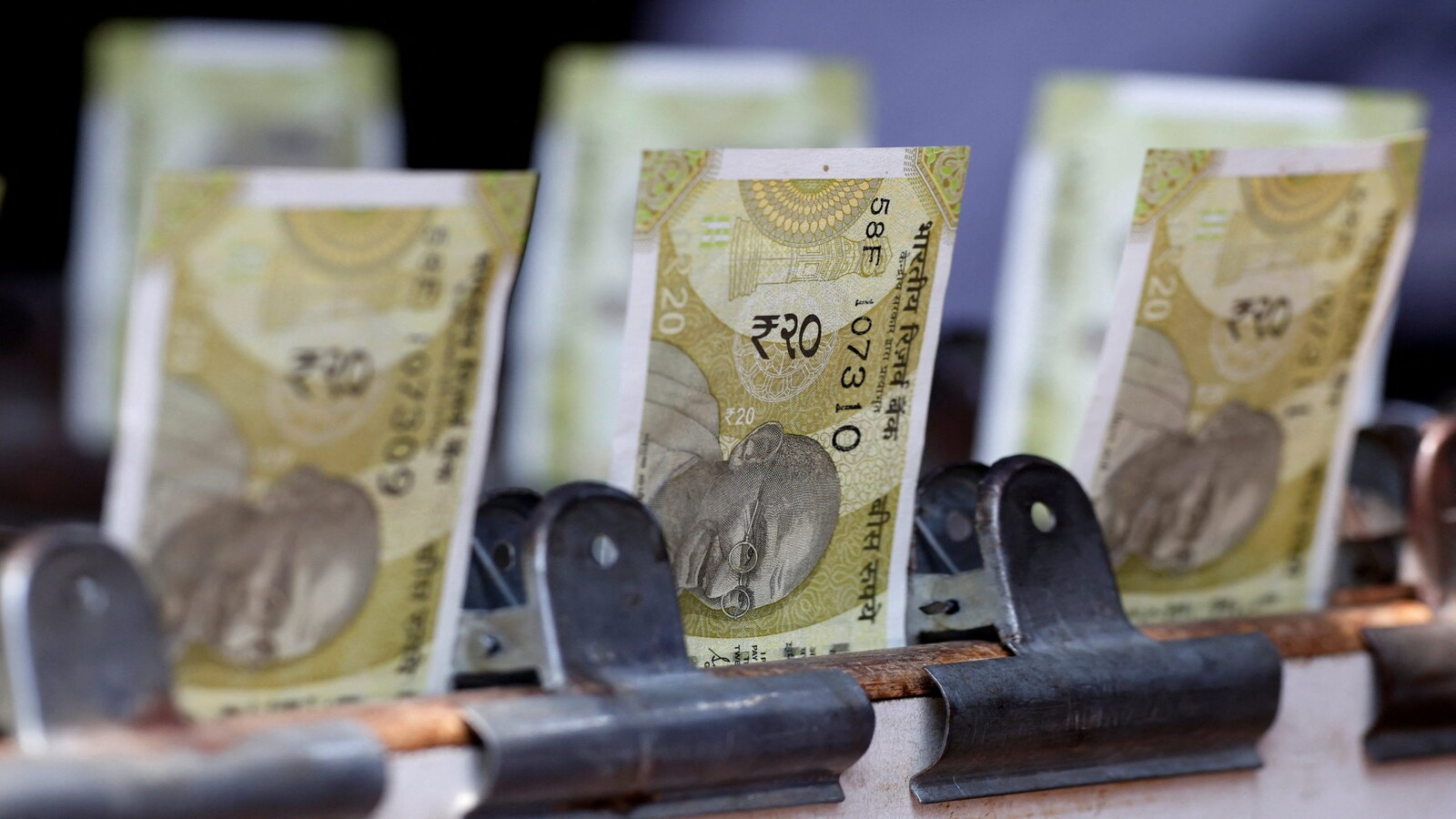
Early Saturday, Reserve Bank of India announced raft of measures to defend rupee, which in recent days veered perilously close to its all-time low despite an interest rate hike of 25 basis points on October 7. Only one step was novel to Indian markets, having been borrowed from China.
Called Foreign Exchange Risk Reserve, banks must now set aside 20% (RBI can change exact percentage) of forex derivative contract they enter into over $2 million involving rupee. This is to be kept in cash with RBI and makes it more expensive to protect yourself from fall in rupee.
This may seem counterintuitive. People at risk from exchange rate volatility, such as importers, should be able to and are encouraged by authorities to protect themselves by 'hedging' their currency exposure.
"The RBI has sometimes been accused of changing the rules of the game with its regulatory measures. But it has to change the rules when it is losing. It is the house!" said a banker, noting that it was local banks and traders, not foreign ones, that were target of Saturday's measures.
Read more - Swiss Fix For TEPA
While hedging is good practice, times are such that anything exerting downward pressure on rupee - such as protecting yourself against future weakness in rupee - is problematic.
The China playbook: Back in March, China cut its Foreign Exchange Risk Reserve Ratio to zero from 20%. Why? Because Chinese yuan was continuously strengthening against dollar. By removing reserve ratio, China was removing cost of betting against its own currency. India faces opposite situation.
Currencies are key to global economic order. For countries such as India that buy more from abroad than sell, there is always pressure on rupee to weaken - more foreign currency exits India for trade than enters it. This is simple demand and supply: as supply of foreign currency falls due to trade deficit, it becomes more expensive in rupees, and rupee weakens. Rupee can also weaken if domestic demand for foreign currency rises - as would happen when people try to 'hedge' their exposure and protect themselves from falling rupee, which is down almost 7% so far in 2026 and fell to record low of 96.96-per-dollar in May.
Importers usually have to pay for purchases from abroad either in US dollars or seller's currency. If rupee weakens, then importer must pay more rupees for each dollar. This is why India and many other countries are trying to settle more of their international trade in their own currencies.
Experts think RBI's latest measures will only provide 'breathing room' to rupee. For RBI, signs of fresh discontent visible October 7, when despite policy repo rate being increased by 25 bps to 5.5%, rupee fell. Higher interest rates should theoretically strengthen rupee as supply of currency is expected to fall.
Read more - Who Owns Spirit?
However, Saturday's measures - reminiscent of 2013 'taper tantrums' crisis caused by US Federal Reserve - may only provide some "breathing room", according to Dhiraj Nim, FX strategist and economist at ANZ Bank. Gaura Sen Gupta, IDFC FIRST Bank's Chief Economist, agreed, saying that in medium term, rupee's path will depend on global factors and Balance of Payment dynamics.
Tags: #RBI #Rupee #Dollar #FERR #ChinaPlaybook #Forex #Devaluation #InterestRate #TaperTantrum #ExchangeRate