

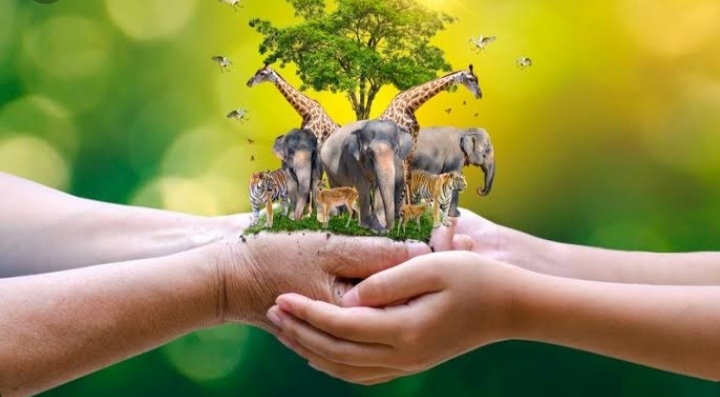
Parley - Conservation science in India: Can wildlife thrive without active human intervention? Two ecologists debate future of Indian conservation.
One side argues active human intervention - habitat restoration, supplementary feeding, translocation, invasive species removal - essential because pristine wilderness no longer exists. India has 4% of world's land, 8% biodiversity, 18% humans, 30% of world's cattle. Without intervention, tigers, elephants, rhinos cannot survive.
Read more - From Hives to High- Tech: China's Robotic Bees Raise Global Concerns
Other side says conservation science in India historically followed fortress model - exclude humans, create protected areas. That model has reached limit. 700+ protected areas cover 5% of land, but 60% of wildlife lives outside. Human-wildlife conflict - 500 human deaths by elephants annually, 400 leopard attacks, crop loss Rs 10,000 crore - shows exclusion not working.
Can wildlife thrive without active human intervention? Answer depends on species and landscape. For critical endangered like Great Indian Bustard (150 left), intervention - captive breeding, predator-proof enclosures - must. For generalists like leopards, jackals, reducing intervention - letting them move through agricultural landscapes - works better.
India's conservation successes - Project Tiger from 1,800 in 1970s to 3,682 in 2022, Project Elephant, rhino numbers doubled - came from active intervention: anti-poaching patrols, relocation of villages, veterinary care.
But costs: tribal displacement - 3 lakh tribals displaced from tiger reserves since 1972 - created conflict. Recent Forest Rights Act and recognition of community forest rights show coexistence model
New science suggests passive rewilding - remove human pressure, let ecosystem recover - works in Western Ghats and Central India where farmland abandoned. But in densely populated India, passive not enough. Need active management of corridors - like elephant corridors in Kerala-Karnataka, tiger corridors between Kanha-Pench.
Read more - When Elephants Self - Prescribe
Climate change adds complexity - warming forces species to shift range 10 km per decade, but protected areas fixed. Without assisted migration, many species will be trapped.
Analytically, India must move from species-centric to landscape-centric conservation, where human is part of ecosystem, not enemy. Means incentivising farmers to tolerate wildlife - crop insurance, early warning apps - rather than fencing everything.
Question is not whether intervention, but what kind and by whom - state or community.
Tags: #Conservation #Wildlifelndia #ProjectTiger #HumanWildlifeConflict #Biodiversity #FortressConservation #Ecology #ForestRights #Coexistence