

An edited ex Bt is next to it by the side of a genetically modified hybrid that has been released without permission. Or, in the case of mustard, one that has not yet received regulatory approval but is already in farmers' fields. According to a story, an unregulated GM crop is spreading fast in India, a cautionary tale.
The story is about HT Bt cotton and illegal herbicide-tolerant Bt brinjal and GM mustard. While India approved Bt cotton in 2002, it has not approved HT Bt cotton that tolerates glyphosate spray. Yet, estimates say illegal HT Bt cotton covers 15-20% of cotton area, sold as "BG-III" or "herbicide tolerant" in Gujarat, Maharashtra and Telangana, with seed worth Rs 2,000-3,500 crore.
Read more - The Algorithm On Your Plate
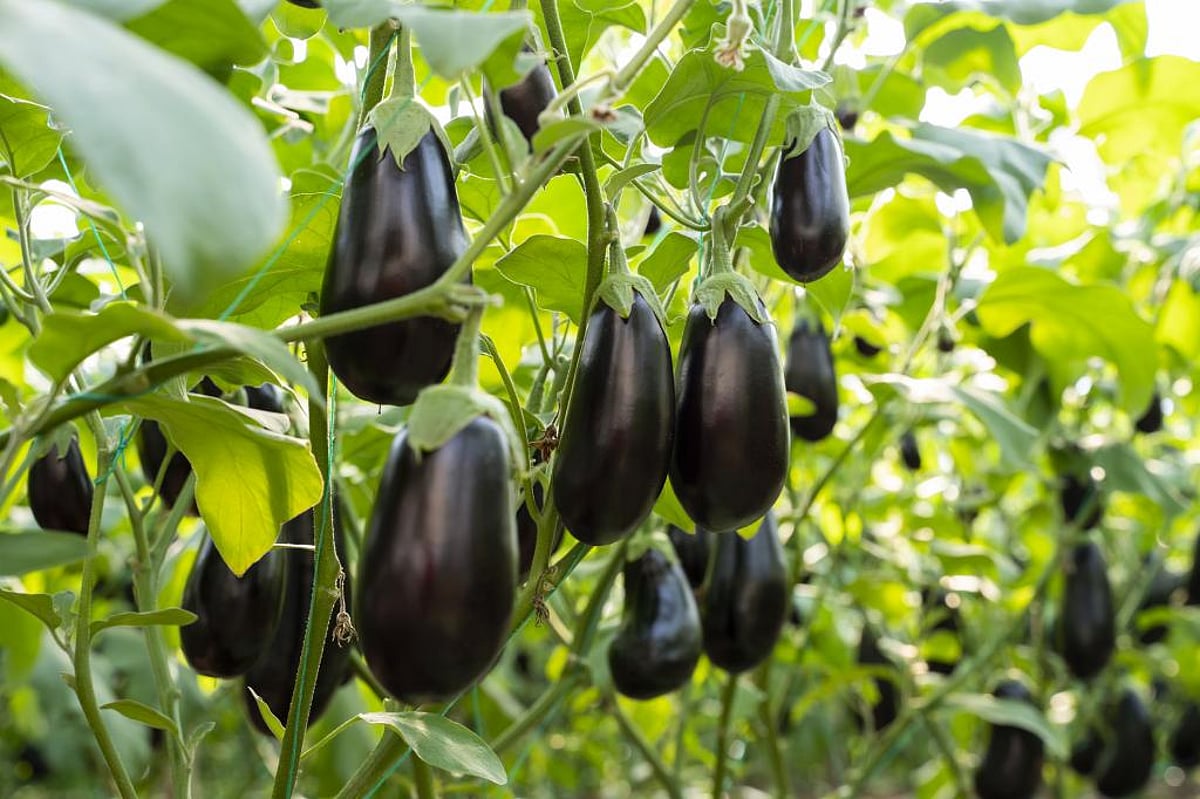
Similarly, Bt brinjal was blocked in 2010 by then Environment Minister Jairam Ramesh putting indefinite moratorium. But illegal Bt brinjal is being grown in Haryana and UP, with seed imported from Bangladesh where it is approved.
GM mustard DMH-11, developed by Delhi University, got GEAC approval in 2022, but Supreme Court is hearing challenge. Meanwhile, unapproved GM mustard hybrids are being sold.
Why does this happen? The editorial says today's problems of labour scarcity for manual weeding and pest control are driving farmers to adopt herbicide-tolerant hybrids that enable them to spray chemical herbicides and kill weeds without killing crop. The regulatory vacuum - GEAC approvals take years, field trials are opposed - creates black market.
The risk is real. Herbicide tolerance leads to overuse of glyphosate, weed resistance, soil health loss. Also, unapproved seeds have no stewardship, no refuge, no quality check. Farmers pay high price, no legal recourse if crop fails.
The blame lies partly with public extension. The Centre's failure to decide on GM mustard has left farmers confused. State governments do not test seeds. Seed companies that sell illegal hybrids operate openly.
Read more - An Old Vaccine, A New Hope for Alzheimer's
India needs transparent regulatory process, while protecting conventional seeds. The editorial by Ramnath Goenka - Because the truth involves us all - says regulatory secrecy breeds illegal market. If government delays approval due to activism, farmers will still adopt via illegal route.
India's choice is not GM vs non-GM. It is regulated GM vs unregulated GM. Currently, we have latter.
Tags: #GMCrops #BtCotton #GMmustard #BtBrinjal #GEAC #HerbicideTolerant #IllegalSeeds #Agriculture #GMO #Regulation