
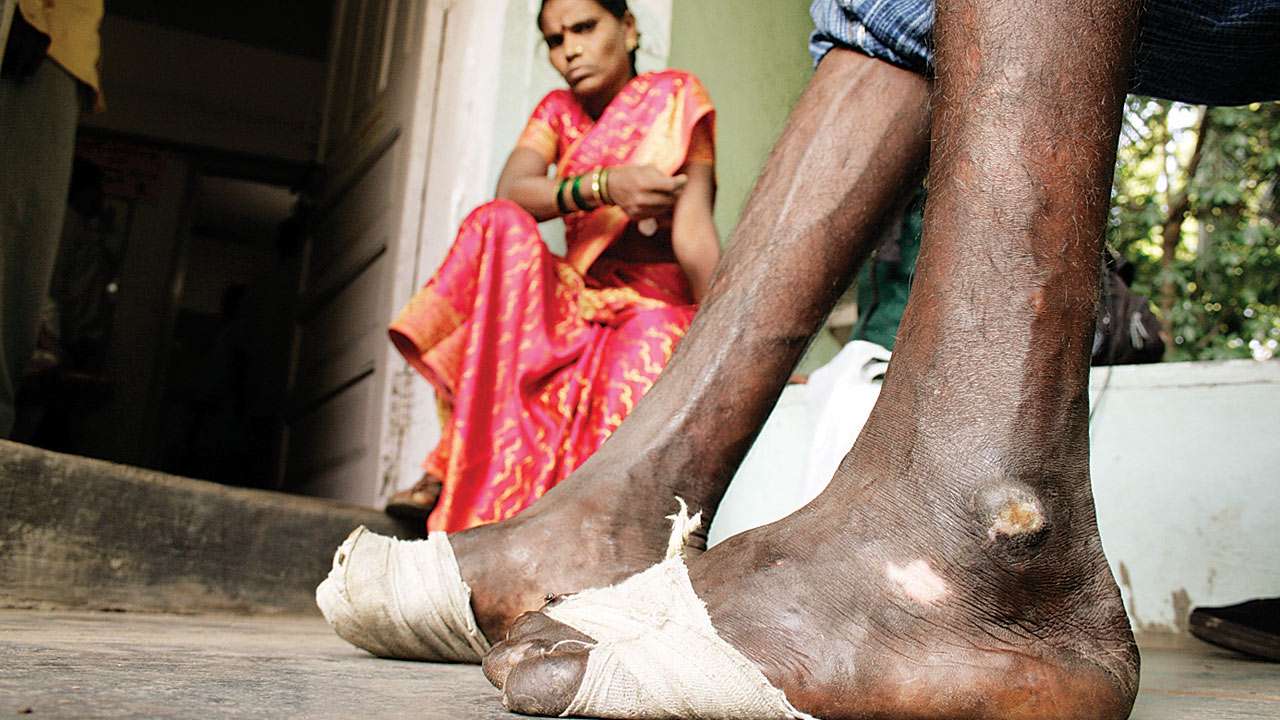
The numbers are stark and uncomfortable. India recorded 3,832 new child leprosy cases in 2025-26, 91.6% above the National Leprosy Eradication Programme target of 2,000. Worse, 37 of them had Grade-2 disability at diagnosis - visible deformity - which means they were detected late.
For WHO, child cases under 15 are the smoking gun of recent transmission. India also recorded 91,783 total new cases, the world's highest, followed by Brazil with 22,901 and Indonesia with 16,292. Together, the three countries account for 78.3% of global cases. India had 63 child G2D cases in 2019-20, down to 35 in 2020-21, but the trend has reversed.
Read more - H1N1 Is Back
Why are children still getting leprosy if transmission is supposed to stop at district level by 2027? A district is declared to have interrupted transmission after five consecutive years of zero new indigenous child cases. The NLEP's own roadmap projects 1,000 child cases by 2026-27 with a G2D rate of 0.5 per million. We are nowhere close. The current national G2D rate is 1.34 per million, above the target of less than one.
The Ministry identifies high-endemic and hard-to-reach pockets: 23 districts in Chhattisgarh, 21 in Jharkhand, 18 each in Maharashtra and Odisha, 10 in Madhya Pradesh with prevalence above 1 per 10,000. These are also tribal, mining, and migration belts where stigma is high and active case detection is low. Leprosy is curable with multidrug therapy, but fear keeps patients hidden.
Read more - HPV Vaccination Mark Crosses 8 Million
India eliminated leprosy as a public health problem in 2005, but elimination is not eradication. The child case spike is a warning that we celebrated too early. The NLEP emphasizes active case detection, household contact surveys and focused campaigns, but ground implementation is patchy. To meet 2027, India needs intensified door-to-door surveys, contact tracing, and a direct attack on stigma, not just tablets.
Tags: #Leprosy #NLEP #ChildHealth #WHO #PublicHealth #Chhattisgarh #Jharkhand #Stigma #Disability #HealthMinistry