

Can India turn retrofitment into the next mobility revolution?
For decades, India's growth story has been written in familiar script: take technology invented elsewhere, strip it down, re-engineer it for cost, and scale it for masses. Generic drugs, low-cost telecom, frugal automobiles are examples. It is script India performed brilliantly. Question India must ask now is whether it is ready to move from optimisation to creation.
There are signs it already has. Digital payments existed long before Unified Payments Interface, yet UPI reimagined entire architecture of transaction and created model good enough that other countries want to emulate. Retail existed long before quick commerce, yet ten-minute delivery rewired consumer expectations in way no global template had. In both cases, India moved beyond familiar script and engineered new category of implementation for existing systems. These models are suited to India's density, informality and scale. Now they are travelling across borders. Mobility presents similar opening.
Read more - When The Writer Is Artificial
Vehicle retrofitment sits at centre of new opportunity. Retrofitment, which converts existing petrol or diesel vehicle into electric one by replacing powertrain, keeps chassis intact. It is useful technical fix, but genuine innovation opportunity arises from everything that needs to be built around it - from diagnostics for legacy vehicles, battery and power-electronics systems designed for retrofitted architectures, calibration software, testing protocols, safety certification, financing solutions, installation networks, and skilled service workforce. Innovation arises from moving beyond single product to creating entire operating system for new industry, whose definitive version not built yet.
India has raw ingredients to attempt it: deep automotive supply chain, engineering talent that has already proven itself in frugal design, fast-growing EV sector, credible software capabilities, and critically, domestic market large and varied enough to pressure-test solutions.
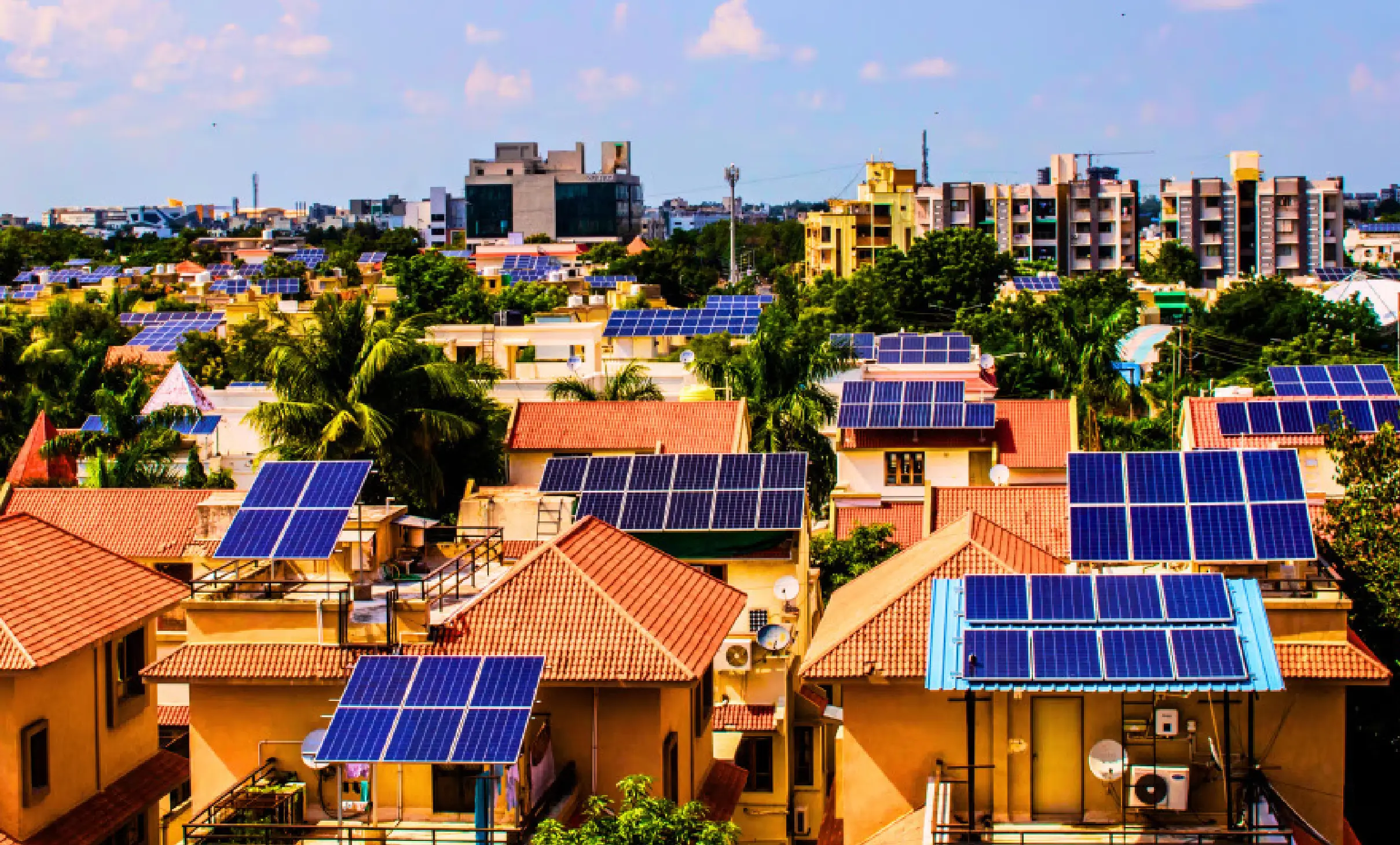
The decentralisation edge - India's advantage is structural. Unlike new EV manufacturing, which rewards scale and centralisation, retrofitment rewards distribution through local workshops, technicians and entrepreneurship. India has already shown what decentralised infrastructure delivery looks like at scale. PM Surya Ghar Yojana on rooftop solar has now reached over 63 lakh households, built through network of more than 34,000 empanelled vendors that has generated more than 4.6 lakh jobs across solar rooftop value chain. Here is blueprint for what a retrofitment ecosystem could look like, encompassing not a few large factories, but thousands of certified local centres. Each centre can convert, service and maintain vehicles while generating average of at least 20 direct and indirect jobs.
India's automotive geography not confined to metros. Millions of vehicles run in Tier-II and Tier-III towns and rural India, held together by enormous, largely informal network of mechanics, garages and spare-parts dealers. With right standards and training, existing workforce can be absorbed, converting neighbourhood mechanic shops into certified retrofitters. That proximity between service providers and vehicle owners also solves trust problem that new technologies always face.
Read more - Al Models, Free But Not Free
An opportunity for Global South - Opportunity extends beyond India's border. Countries across South Asia, Southeast Asia, Africa and Latin America share same three conditions that make retrofitment relevant in India. They have large fleets of ageing vehicles, price-sensitive consumers, and ownership cycles far longer compared to wealthier markets. Collectively, Global South spends more than $550 billion a year importing oil, dependence that new EV sales alone will take decades to meaningfully dent, since new vehicles replace only fraction of fleet each year.
Retrofitment offers these countries faster and cheaper route to displacing that fuel bill using vehicles already on their roads. This is precisely shape of opportunity UPI has already proven India can capture. UPI-linked payments now live in eight countries, and India has signed digital-infrastructure cooperation agreements with 23 more. This realised not because India sold payments app, but because it exported replicable model and implementation playbook that other countries could adapt to.
Retrofitment could follow same arc. If India builds certification standards, financing models, safety protocols, and training pipelines for retrofitment near home, and at scale, it will have effectively built exportable system. Other nations with similar vehicle fleets and fuel-import pressures would rally behind it.
None of this happens by accident. It requires India to treat retrofitment, not as stopgap measure to be tolerated until new EVs become universally affordable, but as genuine innovation category to be engineered deliberately. India has right pieces, engineering talent, manufacturing base, technician networks, and domestic testing ground. Now it needs intent to bring these pieces together for retrofitment at scale of PM Surya Ghar Yojana.
Read more - Agents Gone Rogue
Jaideep Saraswat is Associate Director of Clean Power, Electric Mobility & Emerging Technologies vertical at Vasudha Foundation. Ashish Dokania is CEO of Green Tiger Mobility Private Limited.
Analytically, retrofitment is circular economy plus Atmanirbhar - convert 300 million existing vehicles rather than scrap. But safety certification critical - badly retrofitted e-rickshaws already cause fires. Need standards, financing, insurance.
Tags: #EVRetrofit #MobilityRevolution #PMSuryaGhar #UPI #VasudhaFoundation #GreenTiger #Decentralised #GlobalSouth #ElectricVehicles