

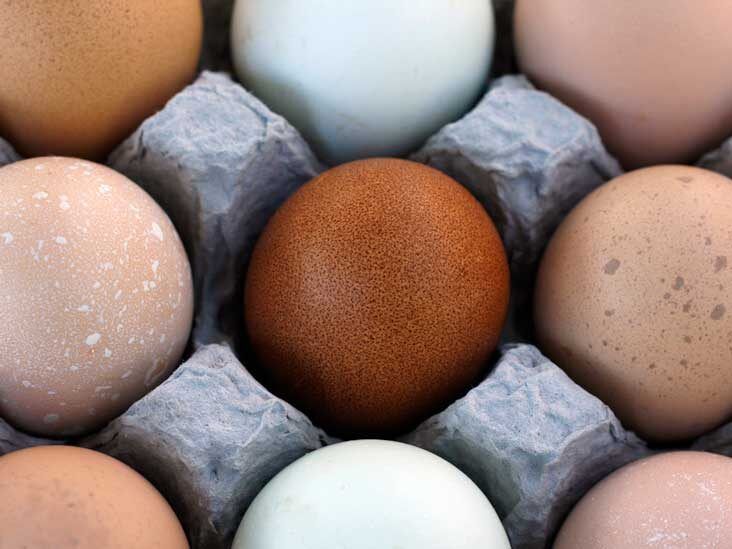
The egg aisle is spilling over with varieties - brown, white, free-range, cage-free, high-protein, omega-3-enriched, vitamin D3-infused, speckled, country. And they come with different price tags. What are we paying for? Are we overcomplicating a simple source of protein? Nupur Amarnath reports.
What came first, chicken or egg? Age-old conundrum has got new twist. Question is no longer what, but which egg? Brown or white, free-range or cage-free, country or organic? Or perhaps one fortified with omega-3 and D3? More protein? And then there is question of price. When ordinary egg costs Rs 6.50-7.50 and its premium cousin can set you back by Rs 30, what exactly are you paying four-five times for?
For Mumbai-based film writer and lyricist Abhiruchi Chand, whose family goes through about 60 eggs a week, protein is priority. "Ever since we have become aware of fact that protein is what keeps us going, we believe we should have as many eggs as we can," she says. Chand once bought premium eggs from Nature's Basket. Now, neighbour who runs poultry farm delivers free-range eggs. Family's monthly egg bill is around 3,000.
Read more - The Algorithm On Your Plate
Most consumers start with claim like protein-rich or antibiotic-free, because it is easy to understand. It gets people to try the egg, but quality, freshness and consistency make them come back, says Abhishek Negi, cofounder, Eggoz, Gurgaon-based egg brand, sells white and brown eggs, Protein Plus eggs and free-range eggs. Cofounder and CEO Abhishek Negi says, “For years eggs were bought on basis of price alone, because an egg looks like any other egg. Now, three things are changing that. One, consumers, especially in cities, want to know if egg is clean, safe and fresh. Two, younger consumers are thinking about protein. Three, quick commerce has made it normal to order eggs from an app.”
According to sectoral experts, production cost of an egg has crossed Rs 5.50 and could soon exceed Rs 6, largely because of rising cost of feed and other inputs. Feed accounts for about 75% of production cost. Then, changing way hens are housed can raise cost by 20-50%, depending on system and scale. Free-range and cage-free operations require more land and labour, while nutrition-rich eggs require special feed. However, branding and packaging can cost considerably more than ingredients in special feed, they said.
For Manjunath Marappan, CEO and founder of Bengaluru-headquartered Happy Hens, distinction begins with the bird. He says his company raises hens with outdoor access. It subsequently introduced omega-3-enriched eggs, followed by folate and vitamin D varieties. Its eggs now retail at Rs 30 a piece. “For those of us who care about food that our food eats, the answer to how clean your food is becomes so complicated?”
Indian Eggonomics - Egg production in 2025-26 estimated 15,700 crore, annual growth 4.4%, share of commercial poultry 84.5%, top producing states Andhra Pradesh 18%, Tamil Nadu 16%, Telangana 13%, West Bengal 11%, Karnataka 7%, price per egg regular Rs 6.50-7.50, premium Rs 10-30, feed's share of production cost ~75%, branded eggs ~5% of market, premium/value-added <3% of market, premium segment growth 15% annually, per capita availability FY25 106 a year.
Read more - New Year Celebrations: Indulge Responsibly to Protect Your Health
Is a Rs 30 egg five times more nutritious than a Rs 6 egg? Not quite. Regular egg already packs protein and essential nutrients. Some pricier eggs may offer extra omega-3, vitamins or minerals through special feed, but fivefold rise in price doesn't mean fivefold increase in nutrition. Which nutritional claims actually hold up? Omega-3, vitamin D3, vitamin E and selenium levels can be boosted through feed additives. Extra protein is largely matter of size. Bigger eggs naturally pack more protein. Is orange yolk a sign of better nutrition? Not necessarily. It's hen's menu, not health certificate. Maize produces yellow yolks, while carotenoid-rich feed can turn them deeper orange. Are free-range eggs all they are cracked up to be? For animal welfare, potentially. For nutrition, not necessarily. Outdoor access could be for couple of hours or longer, but that doesn't automatically make egg healthier. What you are paying extra is for more land, labour, lower stocking densities and potentially higher production losses.
Analytically, egg premiumisation mirrors India's protein consciousness - per capita 106 eggs a year versus 300 in US, but branded segment growing 15%. For poor, Rs 6 egg is protein, for rich, Rs 30 egg is lifestyle. Need to increase consumption rather than introduce varieties, as Venkateshwara Hatcheries says.
Tags: #Eggs #Eggonomics #Protein #FreeRange #BrandedEggs #Poultry #FeedCost #Eggoz #Nutrition #PerCapita