

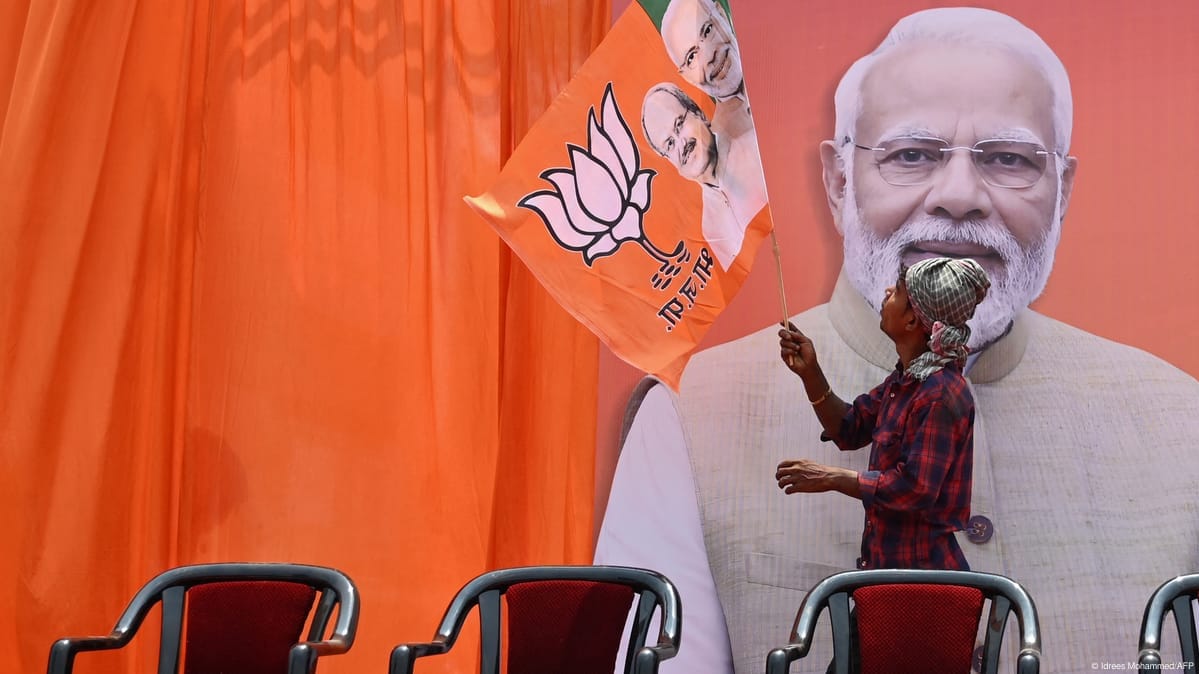
NEW DELHI: The world's largest democracy is not collapsing overnight. It is eroding slowly, institution by institution, norm by norm.
That is the central charge levelled by critics of Prime Minister Narendra Modi's third term — that India remains an electoral democracy in form, but is becoming increasingly authoritarian in substance.
The argument begins with the agencies. The Enforcement Directorate and the Central Bureau of Investigation, once feared across party lines, are now accused of selective targeting. Opposition chief ministers, ministers and MPs have faced raids and arrests, often just before elections. Defections to the BJP, critics note, frequently coincide with cases going quiet. The government denies misuse and points to convictions, but the perception of weaponised investigation has taken root.
The second front is the media. Large parts of mainstream television now echo the government's line, while independent outlets survive on subscriptions and court battles. India has slipped sharply in global press freedom rankings. Journalists covering Kashmir, Manipur, or communal violence describe self-censorship as a survival strategy, not a choice.
Parliament, the third pillar, has also changed. Major legislation has been passed amid mass suspensions of opposition MPs and truncated debates. The judiciary, meanwhile, has delivered landmark verdicts, including striking down electoral bonds, but critics argue it has been slow to intervene when executive power is at its most expansive.
Beyond Delhi, the slide feels cultural. Activists, students and academics have spent years in jail under stringent laws like UAPA without trial. Hate speech against Muslims often goes unpunished, while dissent is quickly branded anti-national. Thousands of NGOs have lost FCRA licences, shrinking the space for independent civil society.
Supporters counter that Modi has delivered stability, growth, welfare delivery and a strong global standing. They argue that strong leadership is not authoritarianism, and that voters have repeatedly endorsed him.
That is true — and it is precisely why analysts warn the slide is dangerous. Authoritarianism in India is not being imposed against public will. It is being legitimised by it.
Democracy, after all, does not die only when votes stop. It dies when votes remain, but everything around them — free press, fearless courts, vibrant opposition — stops mattering.
#India #Modi #Democracy #Authoritarianism #IndianPolitics #PressFreedom #Judiciary #Parliament #CivilLiberties #BJP