

For millions across BRICS+ economies, the electric vehicle transition will not begin with a car. It will begin on a bus route, a shared commute, or a ride on an e-scooter or e-rickshaw. That is the central provocation of Sunil Mani’s op-ed in Delhi’s 18th BRICS summit week: governments often measure EV progress by a single metric — EV sales — but what matters is who benefits.
The piece reframes energy security. It is not abstract; it is felt in commuting costs, household budgets, and municipal finances. Transport is central — 4.5 billion trips in BRICS+ 5+1 economies representing 84% of combined population import more oil than they produce. Since road transport uses roughly 45% of global oil demand, e-mobility is a clear lever to reduce exposure. But benefits depend heavily on how government support is designed.
Early EV policies often favoured private passenger cars, benefiting wealthier households. Now, at least seven BRICS+ economies are broadening focus towards modes used far more by lower and middle-income households. Mani lays out three lessons.
First, design support around vehicles most people actually use. India’s electric two-wheeler journey from FAME to PM E-DRIVE shows what sustained, evolving support can achieve — penetration from 0.4% to 11.2% by July 2026, with 2.37 million E2Ws registered under PM E-DRIVE by early August. In a country with 3,000 times more two-wheelers than passenger cars, this aligns with travel patterns.
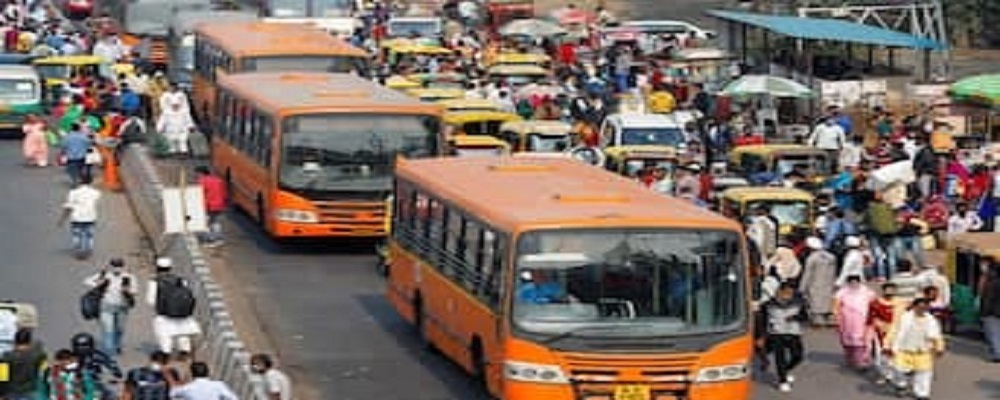
Second, support must be predictable even as it adapts. Indonesia’s e-motorcycle subsidy fell from 11,500 in 2023 to 3,700 in 2024 when incentive lapsed, and is only now recovering. Third, electrifying public transport multiplies benefits. China, with 544,000 e-buses making up over 80% of its urban bus fleet by 2024, found 79% of riders belonged to lower or middle-income groups. India’s PM-eBus Sewa aims for nearly 10,000 e-buses.
As BRICS+ hosts the summit, the question is not just energy security, but equity: Is public support reaching the transport modes people rely on most?