

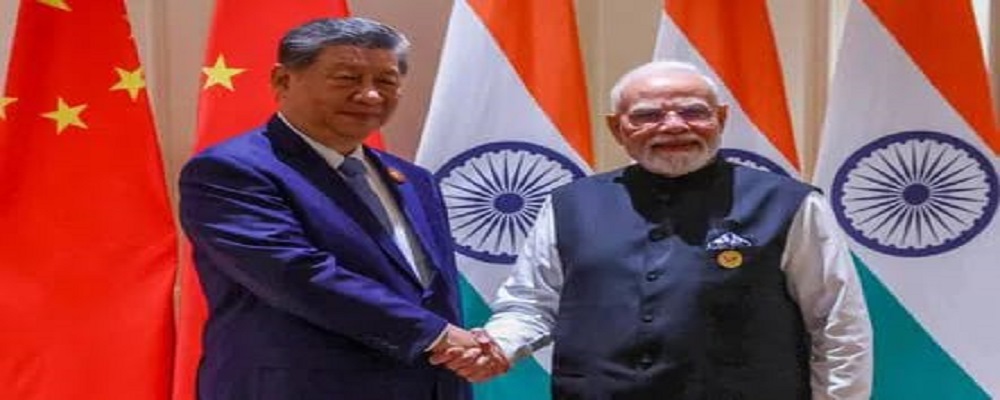
The BRICS sideliners meeting between Modi and Xi highlighted “structural trade imbalance and supply chain issues”. Data point explains why: bilateral trade touched $167.6 billion in 2025, but imports from China rose 71% from $87.5 bn in 2021 to $149.5 bn in 2025, while exports stagnated.
70% of imports are intermediate goods, 22% capital goods. This is not Indians buying Chinese toys; it is Indian factories running on Chinese inputs. Top five categories — telecom equipment, laptops, integrated circuits — rose from $19 bn to $34.6 bn, now a quarter of imports. Mobile phone assembly success hides a jump in imported parts from 3.3% to 10.1% of basket between 2022-2025.
This is the assembly trap of Atmanirbhar Bharat: incentives reward downstream assembly, not upstream component ecosystems in semiconductors and precision parts. Dependence hardens into vulnerability.
The solution is not blanket tariffs but calibrated ones on parts to nurture domestic value chains, while keeping access to global value chains for tech upgrading. Otherwise self-reliance will mean assembling China inside India — a paradox where manufacturing grows and dependence deepens. The trade deficit is thus not a trade problem but a capability problem.