

India's automobile sector is currently undergoing a major transformation, with electric vehicles (EVs) rapidly replacing traditional petrol and diesel vehicles. Recently, major auto companies have launched numerous new electric two-wheeler, three-wheeler, and four-wheeler models that promise greater range at affordable prices. The rapidly increasing number of EVs on Indian roads is proof that consumers are wholeheartedly embracing this new technology.
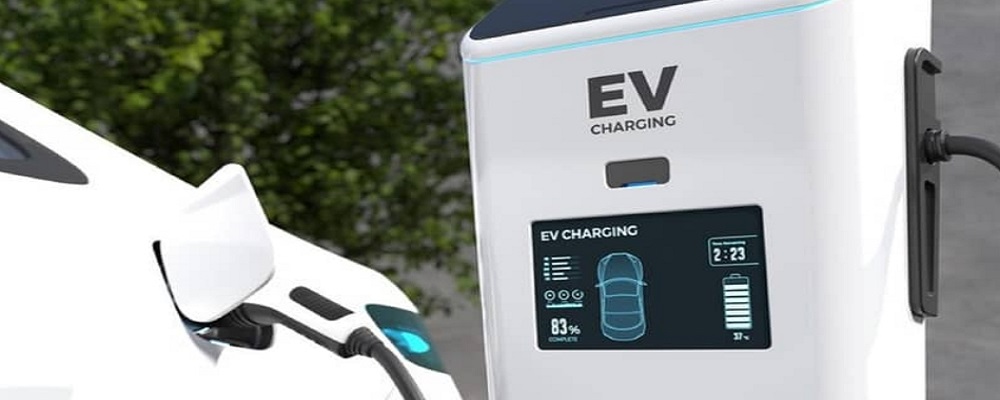
Government incentive policies, the FAME scheme, and local subsidies have played a pivotal role in accelerating the EV revolution. Furthermore, work on developing charging infrastructure is proceeding at a rapid pace. A network of fast-charging stations is being swiftly expanded across key urban locations, petrol pumps, and national highways, gradually alleviating 'range anxiety' (the fear of running out of charge) among travellers.
A primary reason for adopting electric vehicles is their cost-effectiveness. Compared to rising petrol and diesel prices, the per-kilometre operating cost of electric vehicles is significantly lower. Additionally, maintenance costs are substantially lower than those of traditional vehicles. Moreover, due to zero tailpipe emissions, they contribute directly to controlling air pollution in cities.
However, the EV sector still faces significant challenges, such as high initial battery costs, lithium shortages, and issues regarding battery recycling. Indian companies are now establishing large-scale domestic plants for Advanced Chemistry Cell (ACC) battery manufacturing, which is expected to drive down battery prices in the future. Battery swapping technology is also proving highly effective for two-wheelers and three-wheelers.
In the coming years, electric vehicles will not merely be a mode of transport; they will become the backbone of India's green economy. Given the pace at which the EV market is growing, it is estimated that India will become one of the world's largest EV markets by the end of this decade. This revolution will not only protect the environment but also create millions of new technical jobs in the country.