

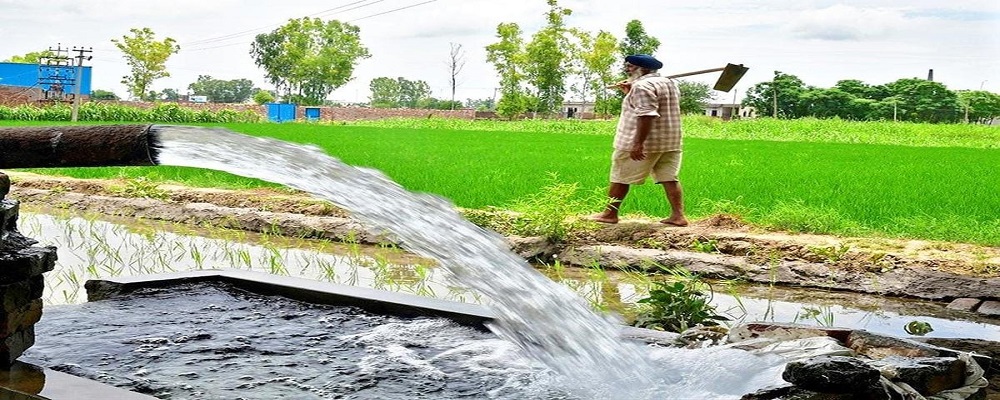
That Punjab is over-extracting groundwater is not news. According to 2025-26 Dynamic Groundwater Assessment, extraction rate 152%. While interventions reduced number of over-exploited blocks by five over last two assessments, 72% of its 153 blocks are in red zone, highest among states. Principal consumer irrigation for rice and wheat, nearly 25 billion cubic metres a year.
Data also show fraction of observation wells with water below 40 metres in post-monsoon period grew by two percentage points between 2022 and 2025. What began as strategy to improve food security yielded concentrated rice-wheat cropping system, where assured procurement, subsidised electricity and access to groundwater made high-yield varieties, intensive irrigation and fertilizer use less risky than alternative modes. Reluctance of farmers to pursue other crops due to uncertainties in storage, prices, processing infrastructure, supply chains unaddressed.
But as water crisis persists, wealth gap widening. Study in EPW noted while marginal landholders use water more efficiently, wealthier farmers better equipped to access lower water tables and draw higher volumes. As water table drops, those unable to afford requisite tubewells forced to buy water, transferring wealth to larger landowners creating unregulated dependencies. Different study in Discover Sustainability reported in Sangrur and Barnala, larger farms earned higher returns but recorded lower groundwater productivity vis-à-vis paddy than smaller farms. Effectively depletion raises capital required for irrigation, systematically privileges those with better finance.
State attempts to address demand pressure even as scale overwhelms efficiency gains. At this juncture, state should also endeavour to protect farmers’ incomes and access while rendering cost of additional extraction prohibitive. Pani Bachao Paisa Kamao scheme where farmers entitled to cash for every unused kilowatt-hour under threshold promising albeit low enrolment. Broadly state should use part of electricity subsidy bill to directly support smallholders, collectivise irrigation, support transition to other crops. When benefits follow cultivator including tenants rather than owners of land or pumps, welfare can subsidise access to water rather than extraction.