

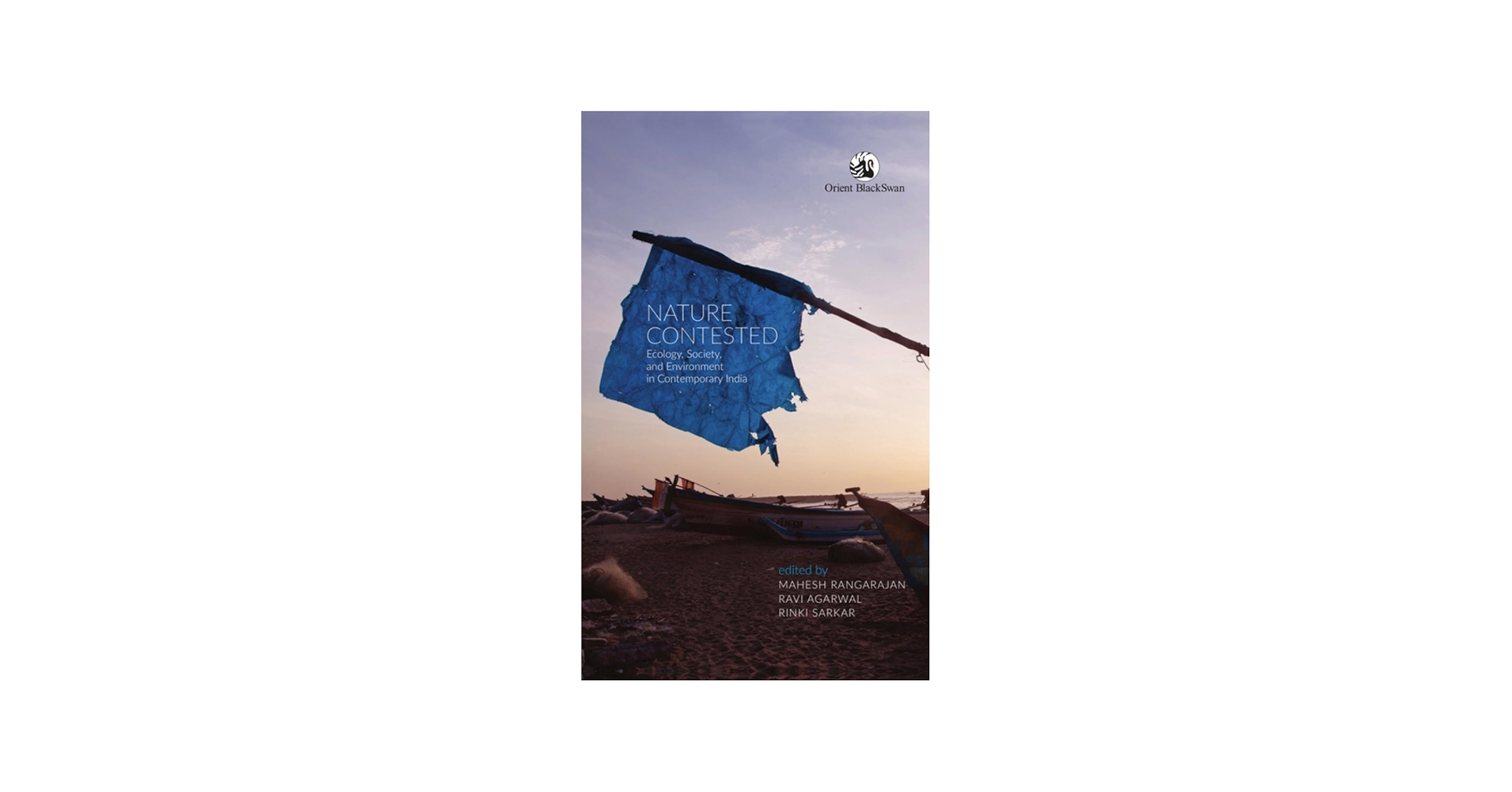
Having got past that hurdle, however, there is much to interest and even excitement. This collection puts forward the issues of conflict within the conservation universe. Human versus animal, development versus terrain, city versus village, rich versus poor, elite versus downtrodden, forest versus cultivation, and more are presented to make you think as well as question commonly stated norms and values about the conservation and protection of nature from the editors.
This one is not for the faint-hearted. A collection of eight essays, this is written for those who themselves study or are passionately interested in the environment and conservation. Being a quasi-scholarly work, it is filled with jargon or if not that, then technical terms that are often hindrances to easy communication. To put it simply, this is not popular science. This is a discussion of the con-lineage-based exclusion and a-historical narratives. Keep your dictionary handy and your brain on full alert at all times.
Editors introduce the idea: "This volume is an opportunity to widen the canvas beyond refulja and holds out the hope of building wider networks to conceptualise economic producers and nature. At the same time, rethinking nature requires not only acknowledgement of its resilience but also of the vulnerability of both state and community stewardship." (Don't say I didn't warn you about the language.)
Read more - From Bonfire To Shredder
Opening two chapters are eye-openers for lay reader in sense of state and community stewardship. While much is written and discussed about our mountains and rivers, our coasts are largely forgotten, except for coastal development issues. Aarthi Sridhar and Divya Karnad, in biggies, downtrodden, forest versus cultivation, individual essays, take us straight into India's maritime communiti and various crosscut lines between traditional and localised artisanal fishers, commercial trawlers, and even fisheries department's impact on marine life is as complex as the price paid by humans, whether from environmental or commercial decisions on which they have had no say. The lack of voice leads to discrimination and slavery-like conditions in some areas.
One argument that runs through the book is the conflict between urban elite and urban often tribal or Dalit communities that exist in peripheries. Hita Unnikrishnan, Haresh Narendra and Manjunatha - especially for the uninitiated - which made up the area that is now the city of Bengaluru. We have been made aware, over the years, how indiscriminate building on water bodies, or of using them as waste disposal sites, has contaminated life in Bengaluru. But now we are taken into the lives of those who lived around these bodies and in the "commons", who have been marginalised or removed so that the urban sprawl could grow.
Nityanand Jayaraman's dive into Chennai's development is a lesson for all cities that ignore their marshes and green spaces - especially for the uninitiated - journey into the urban - When neither terrain nor ground realities are taken into consideration, disaster often ensues. In the case of Chennai, it is abundant rain and then extreme water shortage. Nature has a way of reminding us that such crises repeat themselves with increased ferocity.
From south India we jump straight to Assam, where Arupjyoti Saikia's essay explores history of community and difficult terrains. Unpredictable nature of rivers and difficulties of managing them dominates this chapter, as we learn how traditional almost nomadic living and agricultural and fishing practices changed when it was considered more profitable to settle and farm, and bricks only to find that geography nor geology will listen.
Read more - The Native English Paradox
Nature Contested - Ecology, Society, and Environment in Contemporary India, Edited by Mahesh Rangarajan, Ravi Agarwal and Rinki Roy. Orient Black Swan, 225 pages, Rs 595
Next two chapters introduce us to conflicts between the rights of ancient or traditional inhabitants of lands to be "protected" and between humans and animals. Ideologies and Dalits are divided when it comes to forest rights, whether their or others societal issues. Or indeed, whether they are together in reality at all efforts. It matters little. Conflict it seems is everywhere. The writer is an independent journalist.
Tags: #NatureContested #BookReview #ConservationConflict #BengaluruLakes #ChennaiFloods #MaheshRangarajan #PoliticalEcology #Fisheries #ForestRights #EnvironmentalJustice