

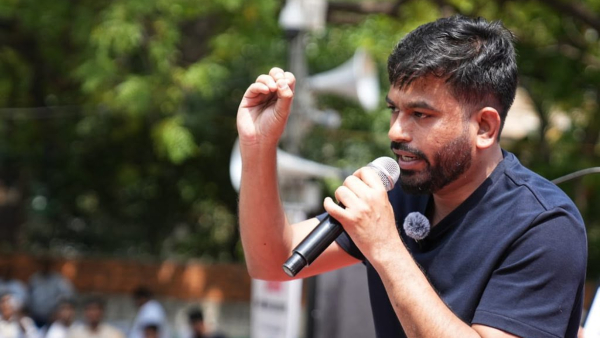
Delhi's power centre is on lockdown. Ahead of the Cockroach Janta Party-led protest demanding Chief Election Commissioner Gyanesh Kumar's resignation over SIR, Delhi Police has denied permission to Congress, IYC and 23 other groups. Reason: "open calls" on social media, uncertain turnout, traffic disruption.
The numbers reveal anxiety. 221 companies - 23,000 personnel of CAPF, 40 metro stations may be shut, internet curbs planned in Central Delhi, 500 extra women police deployed, and action against 2,873 criminals. Police are engaging RWAs and PG owners to keep students away, carrying ID cards mandatory for media.
For India, this is the institutionalization of preventive denial. Jantar Mantar's legal capacity is 1,000. Since July CJP protest, no demonstration has been allowed. Police now require 10-day prior application with expected numbers, agenda, and responsible persons. Spontaneous protest, the lifeblood of youth politics, becomes impossible.
The state argues public order. The Opposition argues prior restraint. When a designated protest site is perpetually unavailable, the right to protest migrates to streets, Rajghat and restaurants, making policing harder, not easier. The Supreme Court's Ram Leela vs Shaheen Bagh balance is being tested again.
Tags: Jantar Mantar, Delhi Police, CJP Protest, Right to Protest, CAPF Deployment, SIR, CEC Gyanesh Kumar, IYC, Article 19, Preventive Detention