

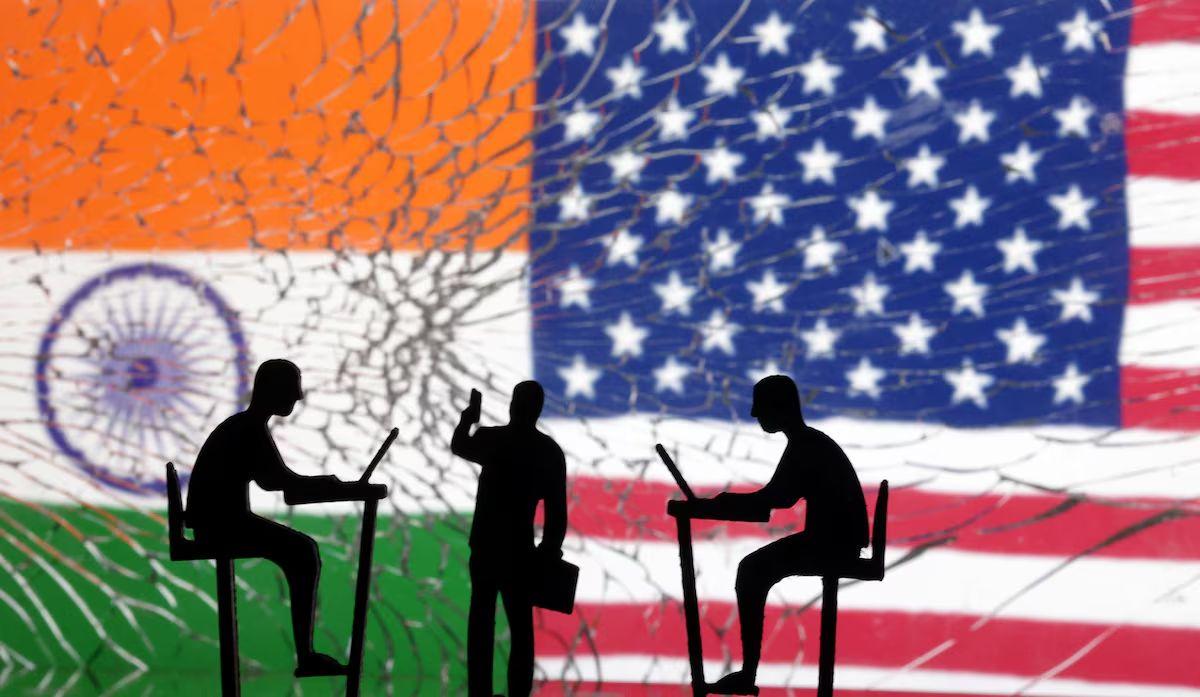
WASHINGTON: The United States is planning to hike tariffs on India, China and 14 other economies as early as this week, reigniting a trade war that New Delhi had hoped was cooling.
According to a report in _The Wall Street Journal_, US Trade Representative Jamieson Greer is expected to unveil the findings of an investigation launched on March 11 into industrial subsidies in 16 economies under Section 301 of the 1974 Trade Act. That law allows the US President to impose tariffs after finding unfair trade practices.
Washington's charge is familiar: government subsidies have created excess industrial capacity, allowing companies in these countries to flood global markets with cheaper goods and undercut American manufacturers.
The proposed tariffs are expected to cover most products exported from the targeted economies, although steel, aluminium and automobiles could be excluded because they already face separate national security tariffs.
For India, the danger is double. The new levies are likely to be imposed _on top of_ tariffs of 10 to 12.5 per cent already announced in July under a separate US investigation into forced labour in supply chains. Final rates are still unclear, but officials have signalled they could mirror the sweeping duties announced by President Donald Trump in 2025, before the US Supreme Court struck them down in February 2026.
Not every country will be hit equally. Countries that struck deals with Washington — Japan, the European Union and South Korea — are likely to face overall rates of 15 per cent or lower. India and Vietnam, which have not finalised similar terms, could face higher rates. China, which US officials describe as the biggest subsidiser, is likely to face the steepest duties of all.
From New Delhi's perspective, this is a moment of strategic vulnerability. India is seeking lower tariffs than competitors like Bangladesh, Vietnam and Cambodia to protect its labour-intensive exports — textiles, gems and jewellery, footwear, marine products and engineering goods. A higher US tariff would directly hit jobs in Surat, Tiruppur, Moradabad and coastal Andhra.
It also puts the ongoing India-US trade talks in a bind. Delhi has been negotiating for market access while resisting US demands on agriculture, dairy and digital rules. If Washington raises tariffs unilaterally, it weakens India's incentive to concede.
Analytically, this is less about economics and more about leverage. Trump is rebuilding his tariff wall brick by brick after the Supreme Court demolished it — using Section 301, forced labour, and national security provisions instead of blanket emergency powers.
For India, the lesson is clear: dependence on one market is risky. The urgency to close the India-EU FTA in December, diversify to Africa, West Asia and Southeast Asia, and build domestic demand has never been greater. The tariff storm is returning, and Delhi cannot afford to be caught without an umbrella.
*Tags:*
#USTariffs #IndiaUS #Trump #China #TradeWar #Section301 #IndianExports #USTR #GlobalTrade #MakeInIndia