
HAVANA: The World Health Organization confirmed it on November 24, in Havana itself. WHO Director-General Dr Tedros Adhanom Ghebreyesus announced that life expectancy in Cuba has decreased for the first time since records began in 1950.
From 78.8 years in 2020 to 74.4 years in 2025.
Infant mortality has more than doubled, from around 4 deaths per 1,000 live births in 2020 to 9.9 in 2025.
Overall mortality has increased. The health system that once made Cuba a model for the Global South — free, universal, preventive care, doctors exported to the world — is being strangled.
"Health should never be a casualty of politics"-
Tedros did not mince words.
"Fuel and energy shortages, along with sanctions on buying medicines and equipment, have put serious pressure on these services," he said.
“The intensification of fuel restrictions and sanctions is causing direct harm to the Cuban people, especially the most vulnerable.”
He called on the United States to lift the fuel blockade immediately.
“The UN High Commissioner for Human Rights, Volker Türk, has warned, the tightening of fuel restrictions and sanctions is directly harming Cubans, especially the most vulnerable, and endangering lives.”
The blockade tightens-
The US embargo on Cuba has lasted six decades. But in January 2026, Washington escalated it into a full fuel blockade.
On January 30, President Donald Trump issued an executive order threatening tariffs on goods from any country that “directly or indirectly sells or otherwise provides any oil to Cuba.”
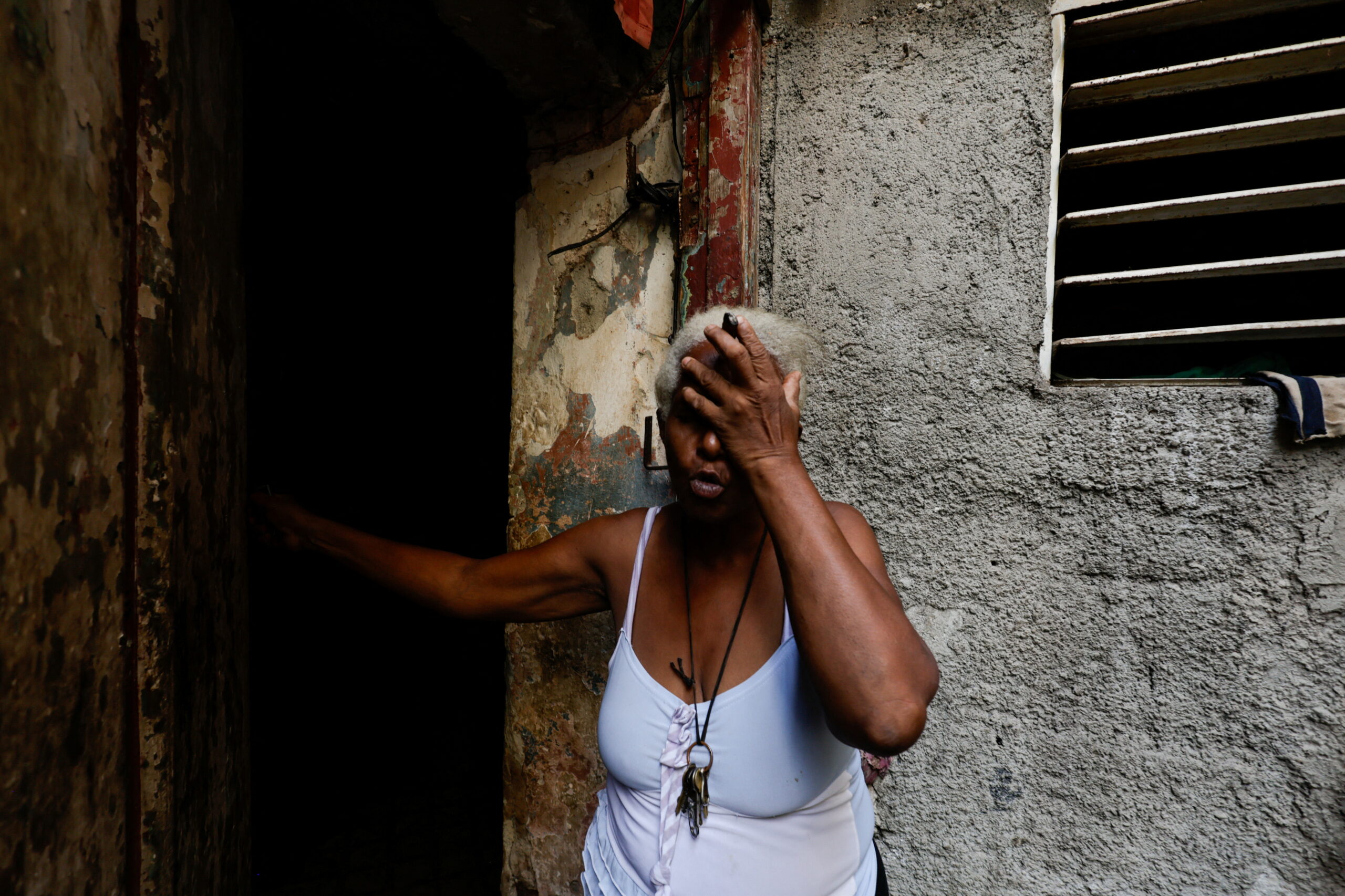
The result: daily power outages lasting 20 hours or more. Hospitals without fuel for generators. Ambulances grounded. Surgeries cancelled. Medicines and surgical supplies in critical shortage.
Cuba now has a backlog of almost 100,000 surgeries, including 12,000 children.
Tedros met a one-year-old girl waiting for open-heart surgery at the William Soler Pediatric Hospital in Havana.
Childhood cancer survival rates have dropped from 85% to 65% since the energy blockade started in January.
That is not a statistic. That is children dying because fuel cannot reach an island 90 miles from Florida.
A crime against humanity-
Cuba's government calls it what it is: a crime against humanity.
The UN General Assembly has voted overwhelmingly, year after year, to condemn the US blockade as a violation of international law and the human rights of all Cubans.
Washington says food and medicines are exempt. In practice, sanctions on banking, shipping, insurance and fuel make it almost impossible to buy them. Sanctions on buying medicines and equipment, Tedros confirmed, are putting "serious pressure" on services.
When you block fuel to hospitals, when you block the power that keeps vaccines cold, when you block the transport that brings a child to chemotherapy — that is not foreign policy. That is collective punishment of 11 million people.
75 years of progress, reversed-
For 75 years, even through hardship, Cuba's life expectancy rose. Literacy, infant survival, vaccination, doctor-to-patient ratios — Cuba outperformed far richer countries.
In five years, that progress was reversed. 4.4 years of life expectancy lost.
And the 2025 figures, Tedros noted, predate the worst of the January fuel blockade. What comes next, if the blockade continues, will be worse.
WHO has provided $2 million in flexible funding for childhood vaccination and equipment. It is not enough. What Cuba needs is not charity. It needs the blockade lifted.
As Tedros said: “Health should never be a casualty of politics.”
*Tags:*
#Cuba #LifeExpectancy #WHO #USBlockade #EndTheBlockade #CrimeAgainstHumanity #Tedros #HumanRights #CubaLibre #SanctionsKill