

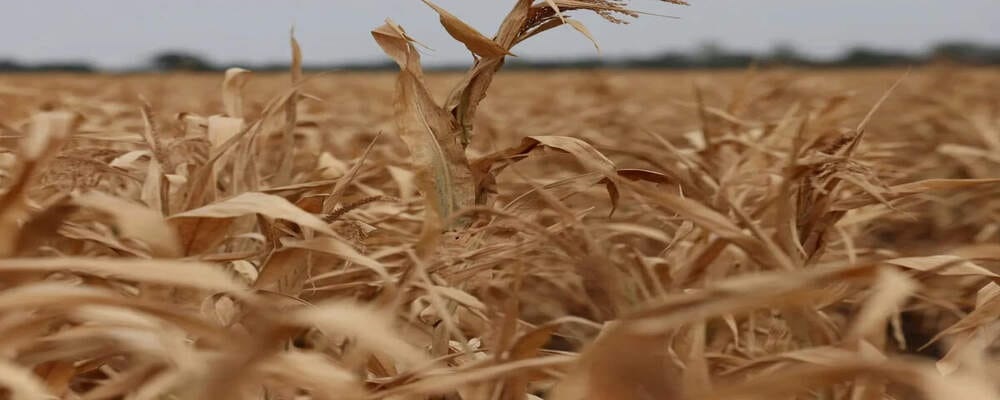
World food prices have surged to their highest since late 2022, as extreme weather and war disruption in the Black Sea reignite fears over supply of staples, the UN's Food and Agriculture Organization said Friday.
Extreme heat and drought in Europe, the threat of a severe El Nino, and trade upheaval caused by the Ukraine and Iran wars have unsettled agricultural markets, pushing grain prices to three-year highs and sugar to a one-year peak.
The FAO Food Price Index, which tracks monthly changes in a basket of internationally traded food commodities, averaged 133.3 points in August, up from July's revised 130.8. That was the highest score since November 2022, though nearly 17% below the record peak from March 2022 after Russia's full-scale invasion of Ukraine.
"August's increase in global food prices is a warning that the risk premium is returning to food markets: climate shocks, geopolitical tensions and disrupted trade logistics are converging to tighten supply expectations," FAO Chief Economist Maximo Torero said.
Heatwaves and drought have increased climate risks for farmers, hitting maize and sugar beet harvests as well as livestock output, while the anticipated El Nino phenomenon fuels concerns for palm oil and sugar output in Asia.
Escalating attacks in the Black Sea have curtailed grain shipments from Russia and Ukraine during war, while the US-Iran conflict strains fertilizer flows. Cereals, vegetable oils, sugar, meat and dairy all rose in August. The extreme weather in Europe affected prospects for harvests, and for policymakers, the return of food inflation means more pressure on household budgets and central banks trying to tame inflation.