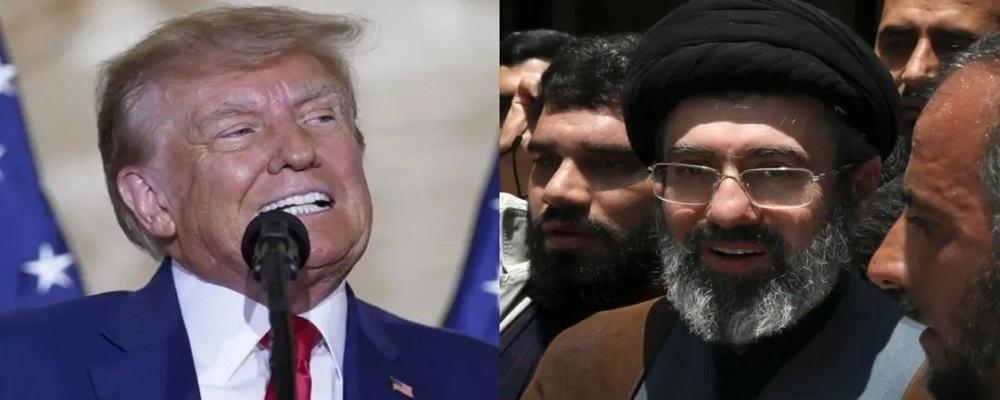
The Persian Gulf has once again become one of the most volatile and sensitive regions in global politics. Recent direct actions by the US military against five Iranian oil tankers have pushed tensions in the Gulf to a boiling point. In response, Iran has warned the crews of foreign vessels stationed in the waters near Kuwait and Bahrain to vacate the area immediately. This is not merely a standoff between two nations; the move directly impacts the Strait of Hormuz—a strategic waterway through which approximately 20% of the world's crude oil passes.
This conflict is driven not just by immediate military provocations but by decades of geopolitical mistrust between the two nations. The US seeks to curb Iran's expanding nuclear program and rein in the armed groups it supports across the Middle East, while Iran asserts its right to defend its sovereignty and economic interests against US economic sanctions and maritime blockades. Whenever a tanker is attacked in the Persian Gulf, the repercussions extend far beyond Washington or Tehran; the impact is immediately felt in global energy markets.
Economists and policymakers worldwide are viewing the situation with grave concern. If Iran acts on its warning and poses a threat to commercial vessels traversing the Strait of Hormuz, crude oil prices in the international market will skyrocket. Rising oil prices directly translate to increased freight and production costs globally, placing an additional, heavy burden on a world economy already grappling with inflation.
The most dangerous aspect of this military standoff is the potential for the conflict to engulf neighbouring, peaceful nations—such as Kuwait, Bahrain, the United Arab Emirates, and Saudi Arabia. Major US military bases are located in these countries, making them potential targets for retaliatory strikes by Iran. Consequently, Gulf Cooperation Council (GCC) nations are exercising extreme caution to maintain regional stability and are engaging in behind-the-scenes diplomatic efforts to avert a major direct conflict.
For now, the situation remains one of "wait and watch," where a single misstep could plunge the entire Middle East into a large-scale regional war. The coming days will determine whether the United Nations and major global powers succeed in bringing both sides back to the negotiating table, or if the spark originating in the Persian Gulf will escalate into a global economic and humanitarian crisis.
External Affairs
US-Iran Tensions Deepen
The Persian Gulf has once again become one of the most volatile and sensitive regions in global politics. Recent direct actions by the US military against five Iranian oil tankers have pushed tensions in the Gulf to a boiling point. In response, Iran has warned the crews of foreign vessels stationed in the waters near Kuwait and Bahrain to vacate the area immediately.

Cult Current
10 Sep 2026