

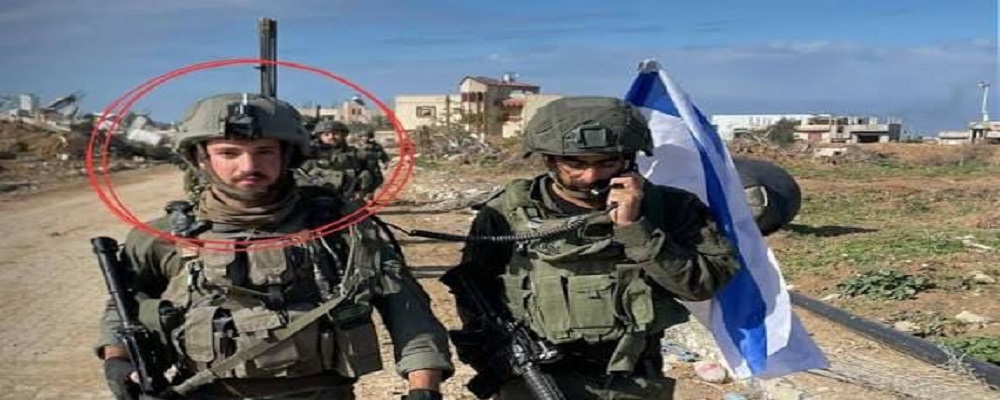
Dharamkot, 2-3 km uphill from McLeodganj, is called Mini Israel. 80,000 Israelis visit India annually, many after mandatory military service, following the Shvil Hummus — hummus trail — of Hebrew menus, yoga, charcoal painting and rave lore. This September, its stone-paved lanes look deserted.
Guest house owner Narender Pathania says the flow has been unsteady since October 7, 2023, when Hamas attacked southern Israel. It dropped again after US-Israel-Iran war broke out in February 2026. “Almost all of them had left when the war with Iran started,” he says. Rooms that used to be packed are vacant.
For Jish, who arrived after military service, and Hodaya, 23, travelling Manali-Leh-Dharamkot for two months, Dharamkot is therapy. “In India, unlike Israel, there is more peace… they don’t hear gunshots,” says hotelier Sanjeev Gandhi. But the trail is also notorious as the Hashish Trail. Former NCB officer Om Prakash Sharma links cannabis cultivation in Kullu and Mandi to socio-political patronage. In June 2026, Himachal High Court transferred three senior officers over alleged nexus with rave organisers.
Former councillor Monika Pathania denies raves in Dharamkot itself, citing check posts. Yet the economy built on escapism is fragile — dependent on geopolitics elsewhere. When war travels, even a village that sells silence loses its customers. The hummus trail is thus a barometer: of Israeli trauma, Himachali tourism, and how peace is monetised.