

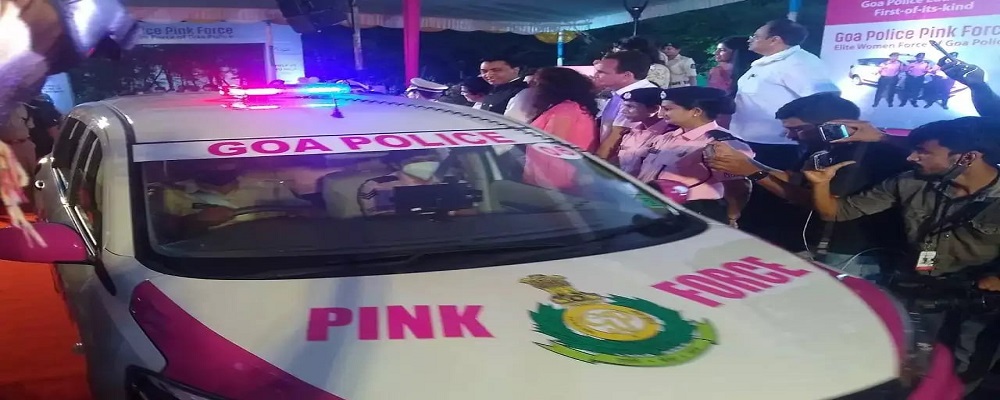
A day after Kalkaji gang-rape, L-G Taranjit Singh Sandhu visited Delhi Police HQ and directed dedicated Pink Force of trained women personnel to patrol around schools, colleges, metro stations, sensitive areas during vulnerable hours for visible deterrence and rapid response. Citing Goa Police Pink Force model, Sandhu said women’s safety non-negotiable.
He also ordered focused action against sexual harassment in public spaces under Operation Shishtachar, increased foot and bike patrolling in crime-prone and high-footfall areas, schools, markets, transport hubs. Each district to nominate nodal officer, prepare quarterly calendar for interactive awareness programmes in schools on POCSO, child safety, cybercrime, substance abuse, road safety. Sustained intelligence-led action against drug trafficking under Nasha Mukt Bharat, strengthening police stations to handle cybercrime, preserving digital evidence, digital tracking for Jan Sunwai complaints.
Pink Force is optics and substance. Optics — women policing women spaces reassures. Substance — deterrence requires presence, not just women presence. Goa’s Pink Force works because Goa is small, tourist police visible. Delhi has 11 police districts, 190 police stations, 142-acre parks with 29 entries. How many women personnel? Delhi Police has 15% women against sanctioned 33%. Training?
Past operations — Operation Shishtachar launched earlier — show episodic drives, not sustained. Foot patrolling declined as PCR vans increased. Schools awareness calendars exist on paper.
Pink Force can work if three things happen — actual recruitment of women, not redeployment, fixed beat maps with lighting audits, and integration with DDA, MCD to fix broken fences, dark spots. Otherwise it becomes another pink wash after every rape — announcement, not architecture.