

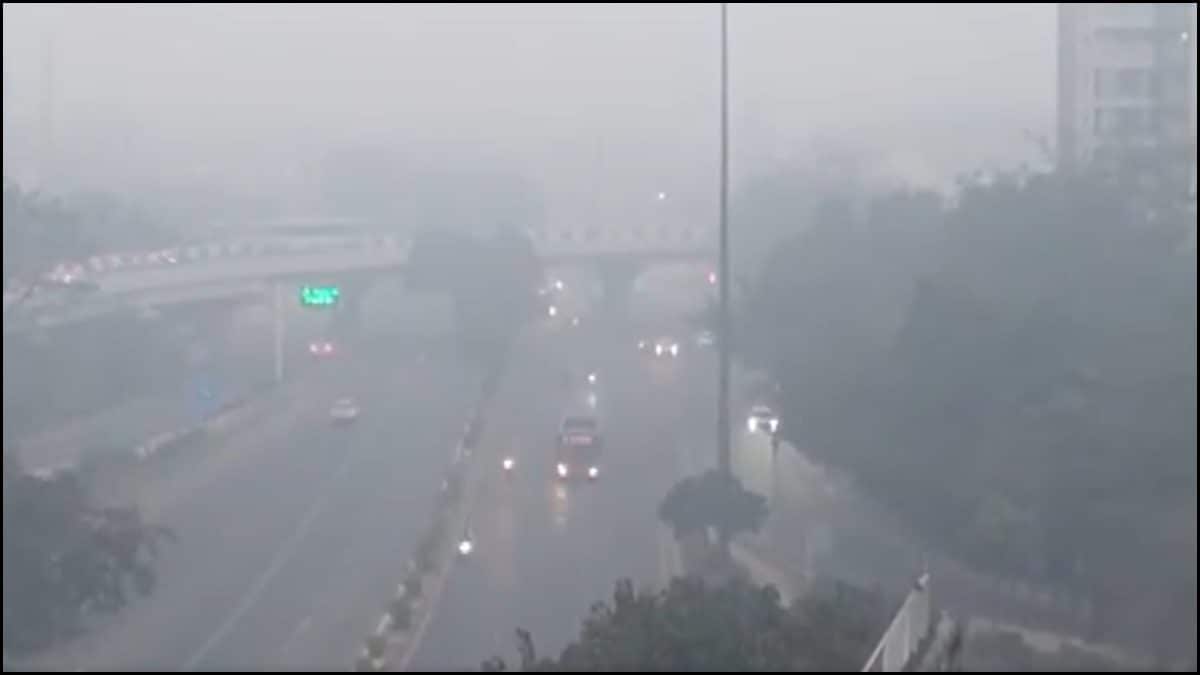
From December 10 to January 20, Delhi will attempt something it has never formally notified in advance: a pre-announced smog lockdown. Environment Minister Manjinder Singh Sirsa announced Monday a complete ban on construction and demolition activities, following a high-level meeting chaired by Union Environment Minister Bhupender Yadav with Chief Minister Rekha Gupta.
The plan is the operationalisation of the Graded Response Action Plan (GRAP) with advance teeth. The measures notified on June 23 will run in parallel with GRAP from November 1 to February 28. For the first time, curbs will be mandatory in advance, not reactive.
The key levers are mobility and dust. Between November 1 and January 31, no non-BS VI vehicle registered outside Delhi can enter the capital - CNG and electric, emergency services exempt. Pollution Under Control Certificates (PUCC) will be compulsory at all fuel pumps year-round, with ANPR cameras enforcing a crackdown on invalid PUCCs from October 1 across 500 petrol pumps. End-of-life vehicles will face strict action.
Read more— The Siberian In Delhi
Offices are being rewired: staggered timings - MCD from 8:30 am to 5 pm, Delhi government from 10 am to 6:30 pm - plus advisory for private firms to stagger and car-pool. From November 1 to January 31, government and private offices must cap physical attendance at 50%, with work-from-home or two-day roster models. Essential services are exempt.
Construction is the harshest: dust-generating demolition and civil works banned November 1 to January 31, and completely banned December 10 to January 20 except emergency and essential public infrastructure. All sites will need 100% CCTV web-cam coverage and registration on the 'Malba' App. Trucks carrying sand, stone, bricks, cement cannot enter.
Read more— Deluge From the Skies in Delhi-NCR
To push public transport, parking fees at authorised sites will double November 1 to February 28, Delhi Metro parking exempt, and government targets daily Metro ridership of 72 lakh and DTC buses 42 lakh with 5,088 e-buses. Anti-smog guns, mist systems, expanded Air Quality Monitoring network, and an Al-enabled Command and Control Centre with 334 enforcement teams complete the architecture.
The frank admission in the meeting - Delhi generates 30%, 60-65% comes from NCR - means regional coordination rema the weak link. Delhi can ban its own dust, but not the winds fro around it.
Tags: #DelhiPollution #GRAP #AirQuality #WFH #ConstructionBan #BSVI #AQI #WinterSmog #DelhiGovernment #PublicHealth