

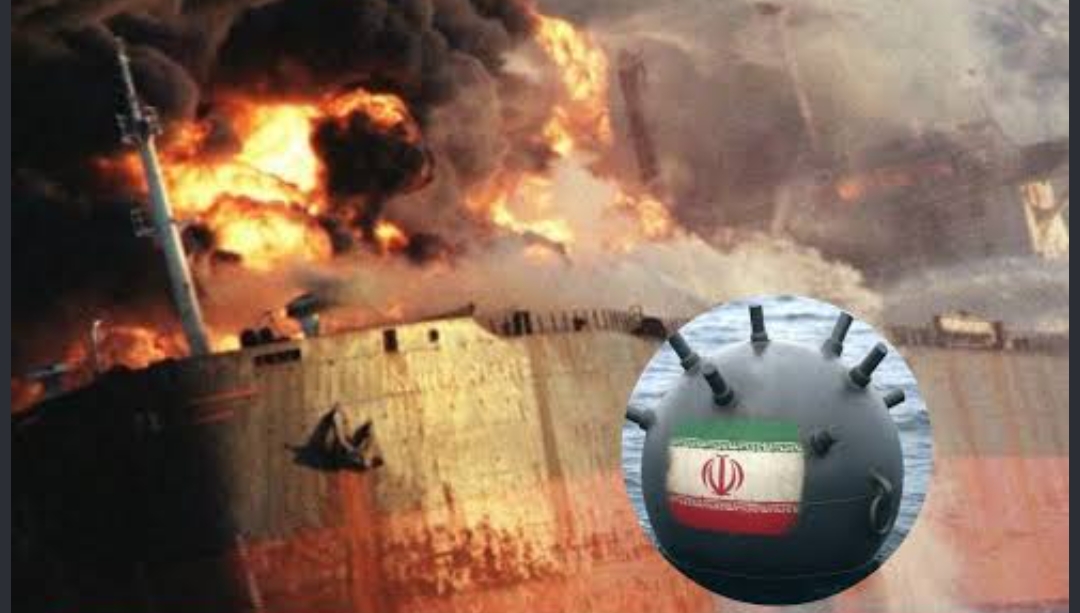
A massive missile and drone attack late at night in the Strait of Hormuz—the Middle East's narrowest, most sensitive, and strategic maritime route—engulfed two huge international oil tankers in terrifying flames. This sudden military confrontation between militant groups and opposing forces active in the region has brought the entire fleet of commercial oil tankers passing through this waterway to a complete standstill. News of the incident sent shockwaves through the international energy market, causing crude oil prices to surge overnight and cross the $120-per-barrel mark.
Immediately following the attack on the oil tankers, OPEC (Organization of the Petroleum Exporting Countries) convened an emergency meeting; however, restoring uninterrupted oil supplies appears impossible due to the ongoing threat of missile attacks on the maritime route and the cancellation of insurance coverage for vessels by international insurance companies. The US and the UK have swiftly dispatched warships to provide security for the oil tankers, yet tensions across the Middle East have escalated to such an extent that a single spark could plunge the entire Gulf region into a devastating war.
Read more — Putin, Trump and Oil
This explosive incident in Hormuz has shaken the foundations of the global economy. Stock markets worldwide—from Washington to London and Tokyo—have plummeted. Airlines, freight transport services, and major manufacturing plants are teetering on the brink of shutdown due to severe fuel shortages and skyrocketing prices. Economists worldwide are warning that if oil prices remain at current levels, the global economy could face a severe recession and 'stagflation'—a combination of economic stagnation and record-high inflation.
From an Indian perspective, this news serves as a major 'red alert' for the country's economic health and household budgets. India imports approximately 85 percent of its total crude oil requirements, with a significant portion arriving via maritime routes from the Middle East. The unexpected surge in international crude oil prices will exert immense pressure on domestic prices of petrol, diesel, and LPG, inevitably impacting the pockets of the average Indian citizen.
Read more— Sluggishness In Stock Market
Rising fuel prices directly imply higher domestic freight costs, leading to increased prices for fruits, vegetables, food grains, and various essential commodities. Furthermore, India's foreign exchange reserves could deplete rapidly, and a widening trade deficit might weaken the rupee against the US dollar in international markets. This situation could jeopardize the central government's budget, fiscal deficit targets, and the Reserve Bank of India's (RBI) inflation-control strategies.
However, India's visionary energy strategy will act as a robust shield against this grave crisis. Crude oil imports from Russia at concessional rates and the country's vast 'Strategic Petroleum Reserves' will safeguard India against any energy shortages for several weeks. Simultaneously, India's diplomatic team remains in constant contact with key Middle Eastern nations and Iran to ensure the security of oil tankers bound for India under all circumstances.
#CrudeOilPrices #OilCrisis #StraitOfHormuz #MiddleEastTensions #IndiaEconomy #InflationAlert #Geopolitics #FuelPriceHike #CrudeOilNews #BreakingNews